NIOBE (mythological figure, daughter of Tantalus)
Figure of myth · mythological figure, daughter of Tantalus
- Parents
- Tantalus, Assaon, Taygete, Euryanassa, Dione
- Siblings
- Pelops
- Consorts
- Amphion
- Children
- Niobids, Ismenus, Amyclas, Amphion, Meliboea, Neaera, Phthia, Agenor, Astycrateia, Astyoche, Alphenor, Ilioneus and 16 more
- Haunts and cult places
- Mount Sipylus
- In the sources
- 20 ancient passages
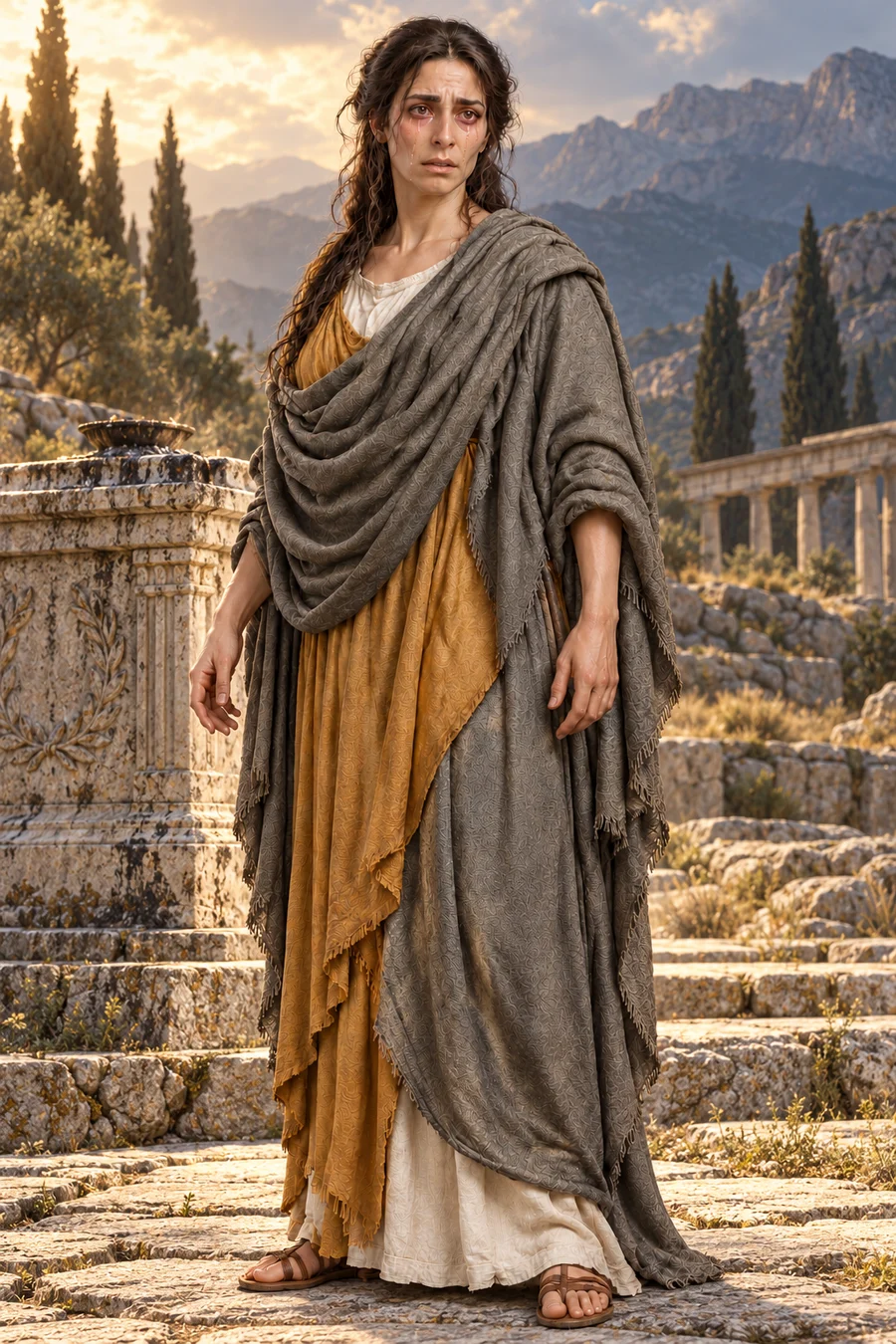
She possessed a face worthy of a goddess, with hair hanging down on both shoulders.1 Her arms were livid, and she wore Phrygian garments interwoven with gold.2,1 Immense wealth was seen in every part of her house, and she gave herself haughty airs over the number of her children.1,3 She was considered a Phrygian because she originated from the region around Sipylus in the Idaean land.4,5
Niobe lived in Mæonia and Sipylus before getting married.6,7 Her maternal grandfather was Atlas, who bore the skies on his neck, and her mother was the sister of the Pleiades.1 Her father, Tantalus, had been permitted to approach the gods' tables.1 She and her husband governed the walls formed by his lyre strings and ruled the palace of Cadmus as its mistress.1
Accounts differ on the number of her children, with some claiming seven sons and seven daughters, while others assert ten of each or varying smaller numbers.3,1,8,9 Her daughters were described as maidens of exceeding beauty.3 Niobe was the mother of the maiden known as Chloris, and according to Acusilaus, she was the mother of Pelasgus by Zeus.10,11 She recently walked through the city with her head held high, not deterred from boasting by the punishment of Arachne.2,6 She lifted her head in scorn while surrounded by her offspring and proudly counted her children while standing safely among them.12
Niobe boasted that she was more blessed in children than Leto and claimed her divine status was greater than Leto's.3,1 She commanded the Theban women to stop worshipping Leto and to remove the laurel from their hair.1 She previously drove the people away from the altars of Leto and raised her livid arms toward heaven to address the goddess.2 She asserted her many children made her secure against Fortune, claiming to be the conqueror despite suffering seven deaths.1,2 She remained bold and unafraid when a bowstring twanged nearby.2
Apollo and Artemis killed her children with arrows on Leto's command, with Apollo slaying the sons while they were hunting on Cithaeron and Artemis killing the daughters inside their house.3,9 Niobe was killed by the goddess with cruel arrows, and her entire offspring were also slain.13 She fell upon the cold bodies of her sons to kiss them, becoming childless almost instantly after their death.2,3 After praying to Zeus at Sipylus, the gods transformed Niobe into a stony rock on Mount Sipylus.9,14 Tears constantly stream from the rock where Niobe was transformed, and she weeps in stony grief despite being turned to marble.9,14,7 Viewed from a distance, the rock resembles a woman bowing in deep anguish and sobbing with her head bowed down, but up close it appears as a steep-browed fragment of the mountain or a sheer crag with no resemblance to a woman.14,15
The codex facts behind this entry
In the myths
Apollo and Artemis are depicted shooting down Niobe's children on a throne or tripod. Pausanias 1.21.3 +1
Fate
Tears constantly stream from the rock where Niobe was transformed. Apollodorus 3.5.6 +2