AMPHION (mythical musician and ruler at Thebes)
Figure of myth · mythical musician and ruler at Thebes
- Parents
- Zeus, Antiope
- Siblings
- Zethos
- Consorts
- Niobe
- Children
- Ismenus, Amyclas, Amphion, Meliboea, Neaera, Agenor, Astycrateia, Astyoche, Alphenor, Ilioneus, Cleodoxa, Alalcomeneus and 12 more
- Haunts and cult places
- Thebes
- In the sources
- 53 ancient passages
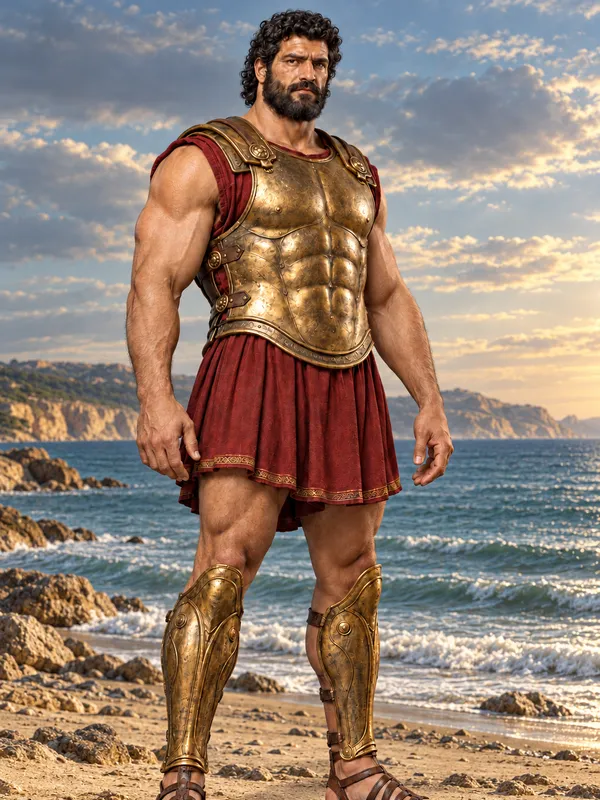
As the twin brother of Zethus, he was a bold leader of a military troop and the commander of the Theban military band.1,2,3,4 Exposed as an infant, he was found and raised by a neatherd, and later became a king of Thebes after living in Eutresis.5,6,7 Though some call him a Thespiæan figure, he is most famously associated with Thebes, where he is buried in a small earthen mound shared with his brother.8,9,10,11,12
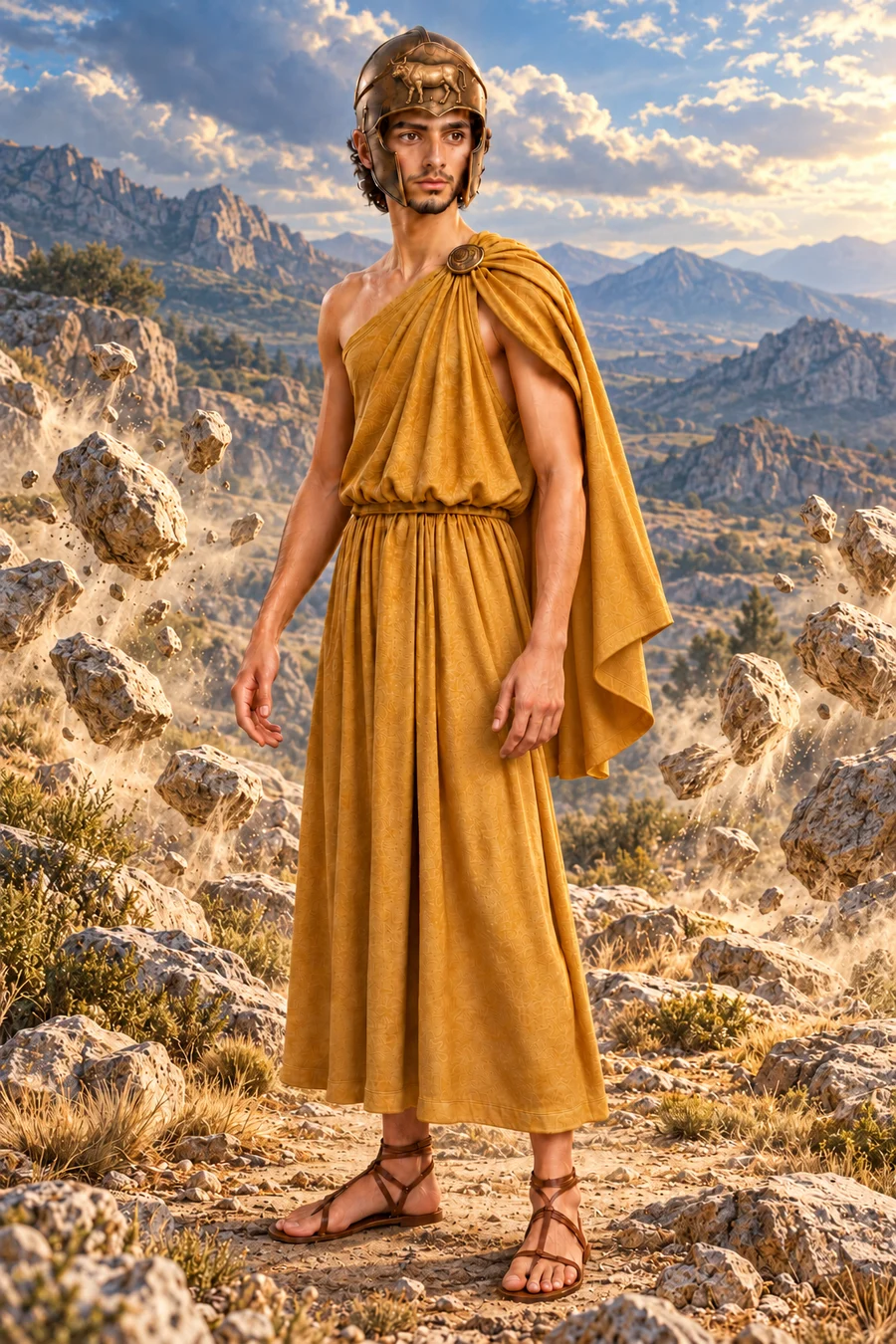
Hermes gave Amphion a lyre, and later a harp as a reward for building an altar, which Myro says was the first dedicated to Hermes.5,13 He practiced minstrelsy because of this gift, and his musical performances caused stones and animals to follow him.5,2,14 Using the music of his song, harp, lyre, or shell, he moved heavy stones into place and constructed a triple wall around a person.6,15 An Egyptian man described him as a skilled magician who used enchantments to move stones for building, and claimed he gave Pelops an item that frightened mares.10 He added three strings to the existing four strings of the harp and invented the Lydian musical measures.16,17 He learned the Lydian musical mode directly from the Lydians, a connection explained by his relationship to Tantalus.16
Amphion and his brother fortified Thebes using stones moved by his lyre, though Homer’s poetry does not mention the wall being built by his harp’s music.5,18,16 Homer states that Amphion and Zethus were the first founders of Thebes, and Amphion is likewise described as one of the first founders of the city.19 Amphion killed Lycus to avenge his mother Antiope, and tied Dirce to a bull, throwing her body into a spring.5 He commanded the Epean warriors during the battle, demonstrating his role as a military leader.20,3
Amphion married Niobe, the daughter of Tantalus, and Pelops brought Boeotian colonists when marrying his sister Niob to Amphion.21,22 They had seven sons, including Sipylus and Eupinytus, and seven daughters, including Ethodaia and Cleodoxa, though Hesiod claims they had ten sons.21,23 Amphion’s sons were struck down by arrows while practicing horseback riding and wrestling, leaving his house desolate by a plague.24,25 Chloris, the sole surviving daughter of Amphion's house, won a victory at the Heraea, and one brother of hers also survived.26,9,27 The children of Amphion were cremated on a pyre near their graves, with males and females buried separately at Thebes.28,29
People from Tithorea steal soil from Amphion's tomb during a specific solar alignment, which the Thebans guard to prevent.12 Roughly quarried stones are laid along the base of his tomb, and he is credited with inventing music and associated with a story similar to Orpheus's harp-playing.14,17 After the loss of his family, Amphion ended his own life by stabbing himself in the chest with a sword.30 He gained fame for his musical abilities, having been described as the first person to play the harp.16,31,13
The codex facts behind this entry
Amphion is described as the first person to play the harp. Athenaeus 2.27 +1
Powers
Amphion could use the music of his song, harp, lyre, or shell to move heavy stones into place and construct a triple wall around a person. Seneca, Hercules Furens act 2 ¶3 +4 His musical performances caused stones and animals to follow him. Argonautica 1 ¶86 +2
In the myths
Amphion and his brother fortified Thebes using stones moved by his lyre. Apollodorus 3.5.5 +2 Amphion became a king of Thebes after living in Eutresis. Seneca, Hercules Furens act 2 ¶3 +1