COMBAT
Turn-based, tactical, and fought on the real ground of each place. The same rules run a skirmish on a mountain road and the great set-piece battles of myth.
The rules are Godsunder's own, not borrowed from a tabletop game. The game's rules referee every fight; Living Mythos tells the story around it but never decides who wins.
Real ground, not a board
Fights happen where you are: on the town's own streets, the rocks of the shore, the steps of a temple. You move freely, in metres, and the route preview shows what it costs and where it crosses a foe's reach.
- Height counts. Strike from above and you're more likely to land the blow; arrows and slings carry further from high ground.
- Cover counts. Walls, columns and rocks block a clear shot, and line of sight is traced over the real terrain.
- Edges count. Shove a foe off a ledge and the fall does the rest.
Every turn counts
A deed
The main act of your turn: a strike, a prayer, a feat, a throw.
A quick action
Shove, jump, drink, draw a weapon. Every fighter has tools beyond "attack".
Movement
Metres to spend, set by agility and gear. Dash to trade your deed for more.
A reaction
Strike a foe who leaves your reach, parry, shield an ally, or answer a prayer with a prayer.
Allies who act one after another share their turn, so you can play them in any order. Foes whose moves don't affect each other act together, and fight speed is a setting from day one.
- Your skill against their guard58
- High ground+15
- Flanking+10
- Momentum (one miss)+10
- They are behind half cover−25
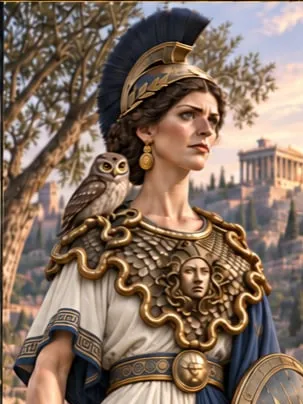
- Blessed by Athena+4
Odds you can see, and no wasted turns
Every attack shows one chance, built from parts you can read: skill, guard, height, cover, flanking, conditions. The combat log shows the roll behind every result.
- Grazes. A near miss still lands a glancing blow for half harm.
- Momentum. Each miss makes your next strike more likely to land, so long runs of bad luck don't happen.
- No dice tables. Harm is a range set by the weapon or gift and the hero's own strength.
Power from four sources
In myth, power comes from the gods, from heroic fury, from learned arts and from wondrous things. So does the power in Godsunder. There are no spell slots.
Favour
Pray to the gods who favour you, through your parentage, your worship and your deeds. Win it back with offerings and kept vows. Swear a vow for power now, or offer a sacrifice for a miracle. Offend a god and their favour drains away.
Menos
Heroic fury, as Homer tells it. It rises in the fight as you strike, take blows and see companions fall, and it's spent on great feats. It rewards bold play, and it fades when the fight ends.
Arts
Learned powers with herbs and instruments: Medea's and Circe's drugs, Orpheus's lyre to charm and to lull, the seers' omens, and old binding curses that silence a tongue or root a foe's feet.
Gifts
The wondrous things of myth, each with its own powers: winged sandals that fly over any ground, the Cap of Hades that hides its wearer, the Aegis that spreads fear, and Medusa's head, which can turn on a careless bearer.
Each god fights in their own element
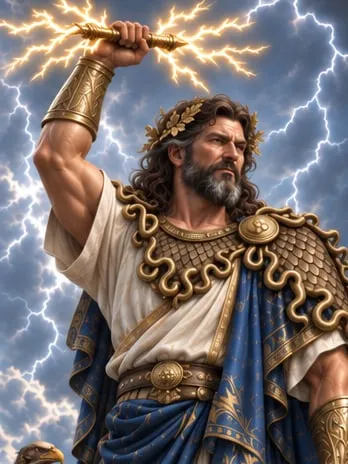
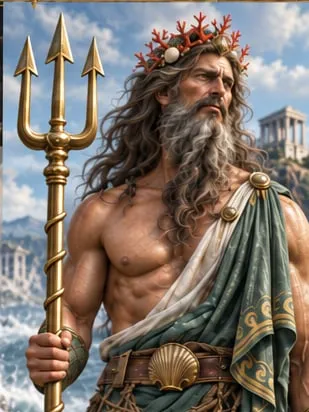
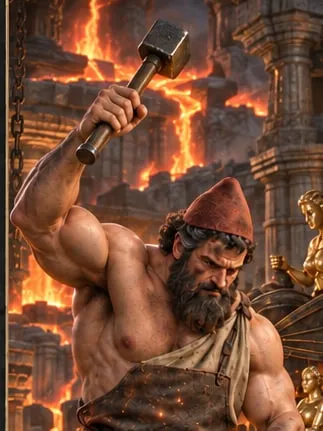
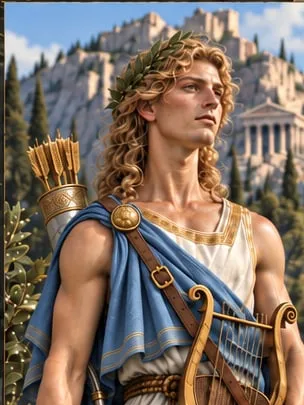
The ground keeps what happens on it. Fire, water, oil, ice, mud and smoke spread and react: fire on oil explodes, cold freezes water, fire on water raises steam. The gods' gifts follow their domains.
Monsters fight like their myths
The Sirens charm. The Gorgons turn flesh to stone. The Hydra grows back its heads. Strengths and weaknesses come from the stories too: the Nemean lion's hide turns blades, and Achilles has his heel.
People are not monsters. Beaten mortal foes may flee or surrender, and a surrender can become a rescue, or a new recruit, if you talk rather than strike.
Heroes as the sources tell them
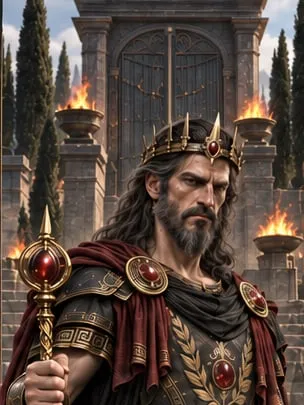
Each hero's strengths, the gods who favour them and their signature moves come from the ancient texts, with the source kept for every one. Theseus fights as a wrestler, as Pausanias says he was the first to master the art.
Heroes grow through their saga. You meet the early dangers as the young hero of the story and reach the height of their legend by living it.
Where combat stands
The rules are built and running in the studio's build of the game. They're checked by simulating thousands of fights, so the odds you see are the odds you get and every fight can be replayed exactly. Theseus's fight with Periphetes on the road to Athens is the first quest fought on them.
Effects, sound and animation are being brought up to final quality next. Details on this page may change as development continues.
Hear when you can play
About one email a month, with new characters, devlogs and the first chance to play.