DEIPHOBUS (Trojan prince and son of Priam)
Figure of myth · mythical character, son of Priam of Troy
- Parents
- Priam, Hecuba
- Siblings
- Hector, Paris
- Consorts
- Helen of Troy
- Foes
- Idomeneus
- In the sources
- 45 ancient passages
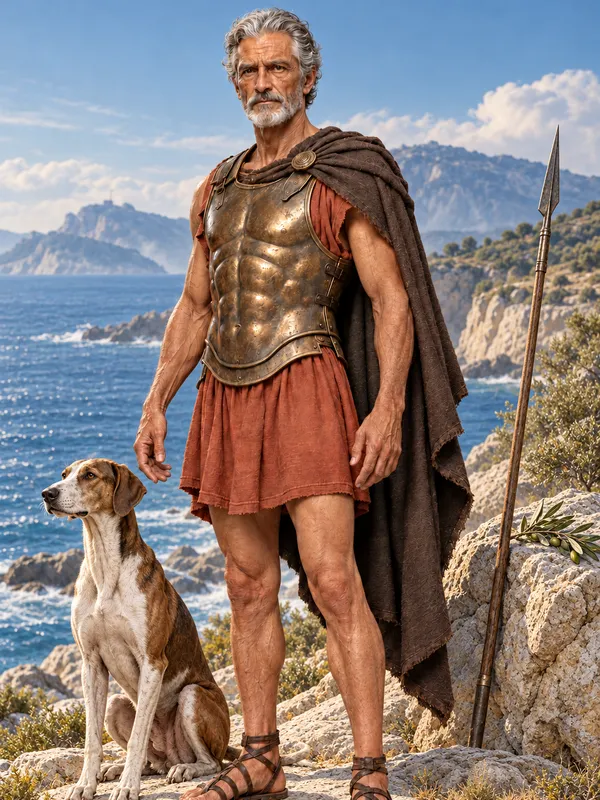
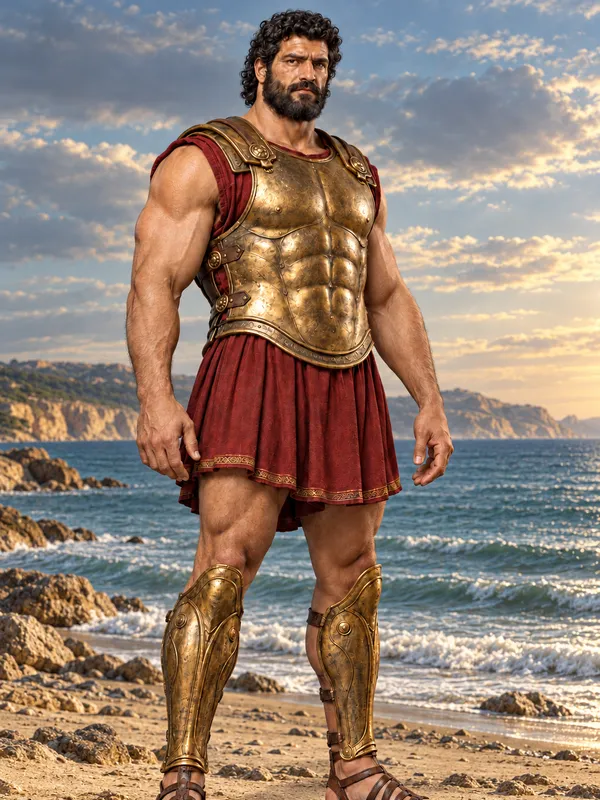
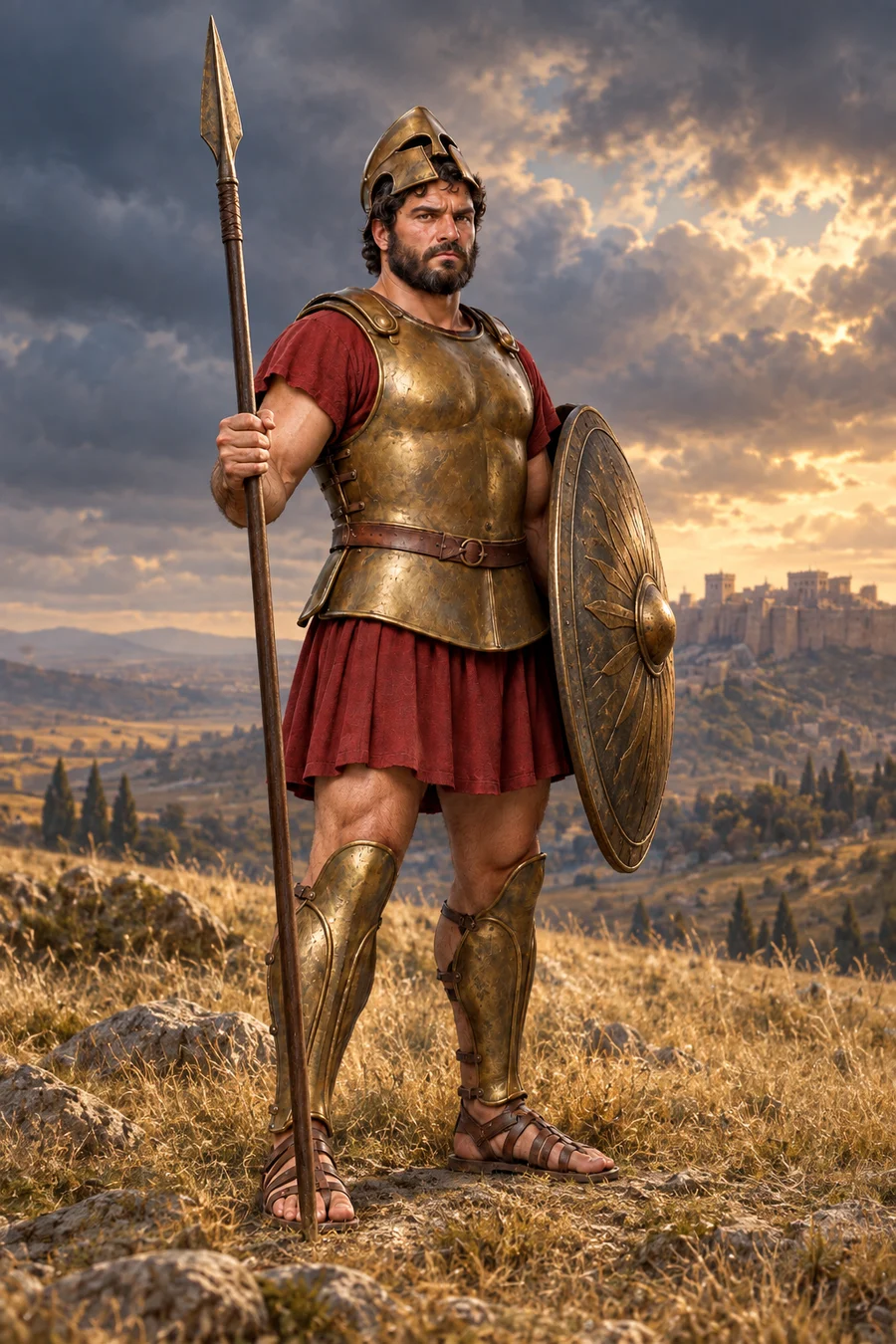
He was a battle-staunch and ill-starred warrior, known for his courage and his cunning in the toil of war.1,2,3,4 In his final moments, his body was rent and torn, with a bloody face and mangled features that were no longer recognizable.5,6 His head was wounded, and his ears and nostrils were shorn, leaving him a figure of profound horror.5
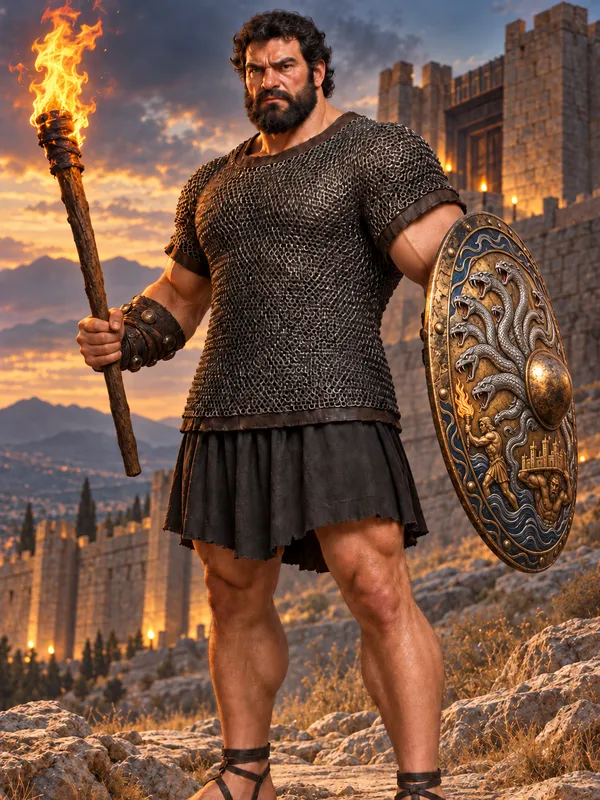
As a leader of the Trojan forces, Deiphobus was selected to champion his people and marched ahead of the army to confront the enemy.7,4 He carried a round shield before him and wielded a spear, striking down many Achaean warriors and filling the plain with their bodies.8,9,10,11 Among his foes, he slew the warrior Lycon, the warrior Alcimus, the warrior Dryas, and the charioteer of Nestor.12,13,11 He also struck Hypsenor in the liver with a spear, causing him to collapse, and vaunted over his fallen enemy.9
Deiphobus approached Idomeneus to seek vengeance for the death of Asius, but his spear missed its mark and struck Ascalaphus in the shoulder.9,14 Idomeneus challenged him to fight personally, declaring that his presence was intended to be the ruin of Deiphobus.15,14 During this combat, Deiphobus was wounded in the hand and struck on the arm by Meriones, who pulled a spear from his shoulder and caused him to drop his helmet.16,17,18 Groaning in pain and with blood flowing from his arm, he was carried away from the battle by his brother Polites toward the city.17,16
After the death of Paris, Deiphobus forcibly took Helen as his wife against the will of the Trojans, and she became fatal to him.5,19,20,21 When the city was sacked, Odysseus and Menelaus attacked his house, where a very fierce fight took place.22 Thus, Deiphobus died without seeing the divine dawn again in Troy, his end sealed by the man he had wronged.5,2
In the heat of battle, he showed moments of hesitation, trembling in fear when he saw the size of Neoptolemus and his horses.23 He had previously fled from Achilles' father in fear, though his heart often wavered between fleeing and facing the hero.3,23 Athena assumed his appearance and voice to deceive Hector, addressing him as her dear brother and advising him to wait for Achilles and defend themselves.24 Deiphobus left the city walls to assist Hector, and Hector called out to him to request a second spear, deeming him a hero.25,26 His legacy remained one of strength and tragic fate, bound to the fall of Troy and the loss of Helen.5,27,2
The codex facts behind this entry
Deiphobus is identified as the strong son of Priam. Aeneid 6.494 +4
In the myths
Menelaus killed Deiphobus after finding him drunk in Helen's bower. Aeneid 6.494 +2 Deiphobus forcibly took Helen as his wife against the will of the Trojans. Apollodorus, Epitome 5.9 +2 Deiphobus threw a spear at Idomeneus while the latter was retreating from the battle, but the weapon missed its intended target. Iliad 13 ¶32 +1
Fate
Menelaus killed Deiphobus with a sword. Apollodorus, Epitome 5.22 +2 Deiphobus died without seeing the divine dawn again in Troy. Aeneid 6.494 +1