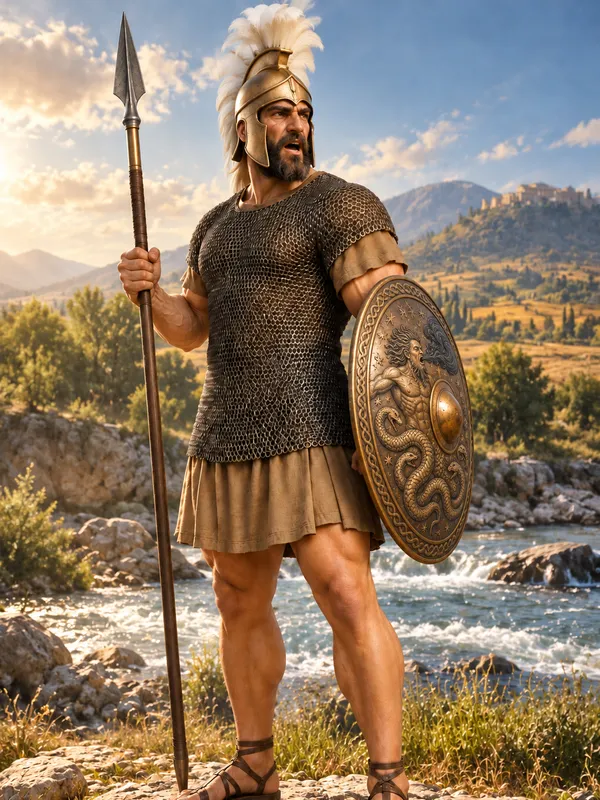
CEPHALUS (son of Deioneus and beloved of Eos in Greek mythology)
Figure of myth · son of Deioneus and beloved of Eos in Greek mythology
- Parents
- Deioneus, Diomede
- Consorts
- Eos, Procris, Clymene
- Children
- Iphiclus, Hesperus, Arcesius, Alcimede, Phaethon, Canes, Q137794617, Aoos, Adymnus
- In the sources
- 21 ancient passages
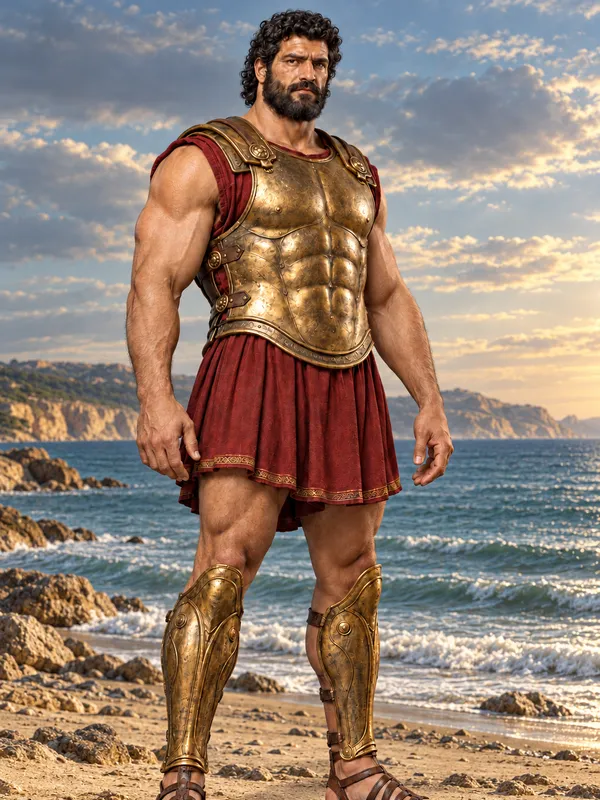
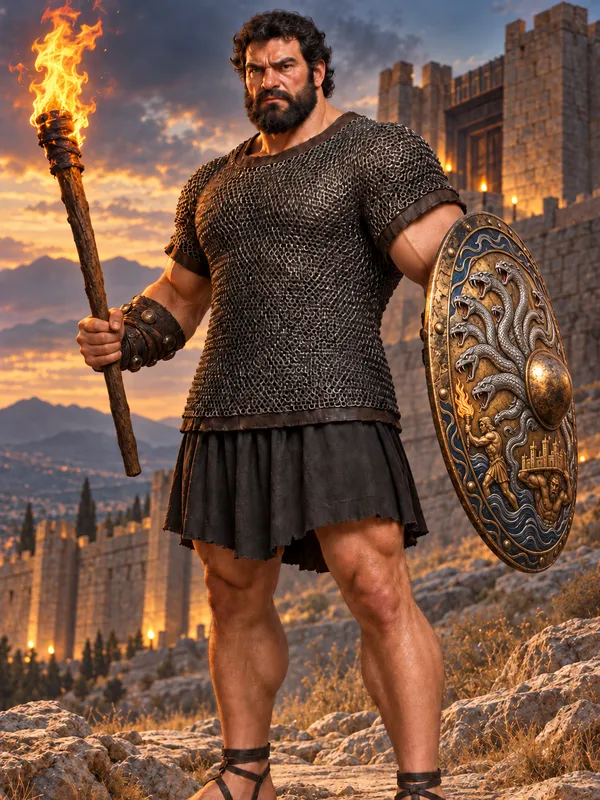
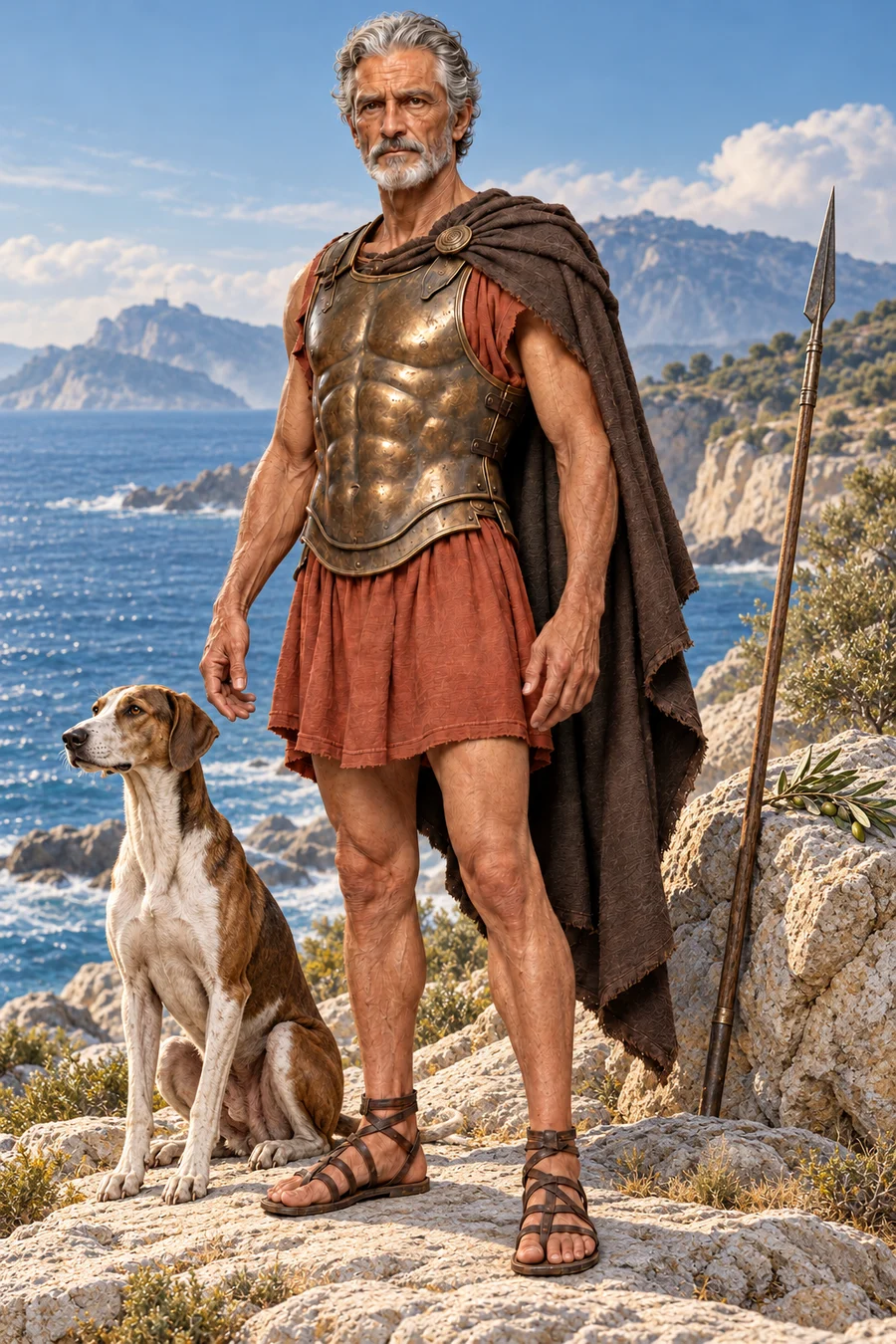
He held a branch of his country's olive, while equipped with valorous arms provided by Æacus.1,2 His possessions included a javelin that always hit its target and returned to him, as well as a hound that no beast could escape.3,4
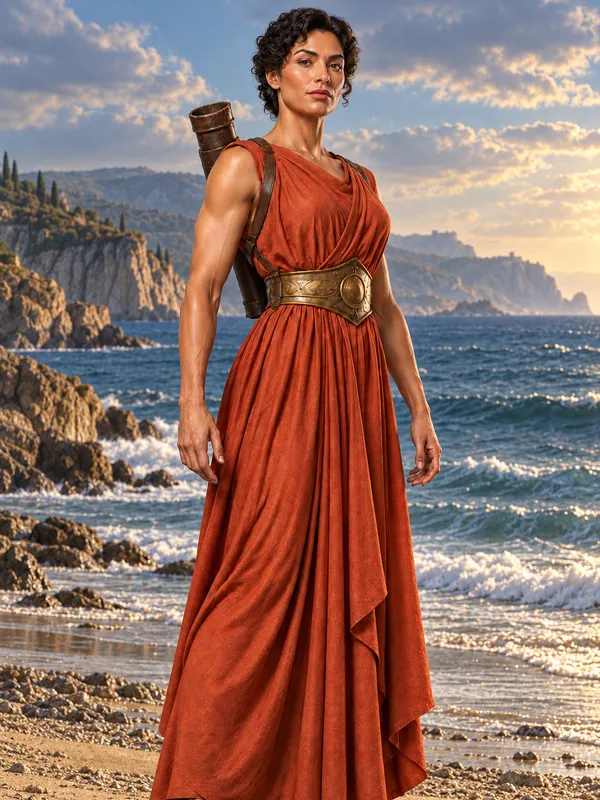
Cephalus married Procris, the daughter of Erechtheus and sister of Orithyia, a union arranged by his father-in-law.5,6,3,7 Procris was among the first to wear a bow and arrow, marking their shared life as hunters.8 Residing in Athens when Amphitryon sought his help, Cephalus came from Thoricus in Attica to support him as an ally.9 He assisted Amphitryon in destroying the Teleboans and ravaging the islands of the Taphians, for which he was paid a share of the spoils.9,10 As a reward, he was given one of the Taphian islands by Amphitryon.9 On this island, Cephalus founded and dwelt in a city named after himself, and other places were named after his children.9,11
Tragedy struck when Cephalus discovered his wife Procris having an affair with Pteleon.6 After Procris returned from Minos, the couple went hunting together, but Cephalus accidentally killed her by throwing a dart while she was in a thicket.6,10,12 He was exiled from Athens after this homicide and was condemned to perpetual banishment after being tried in the Areopagus.10,11,6 The Cadmeans purified him of the homicide he committed, and he resided in Thebes during his exile, where he was later given government over the islands after the attack.4,10,11,13
The Dawn goddess Eos fell in love with him and took him to live in heaven, but he refused her advances, citing his marriage vows and his love for Procris.5,8,3 Eos had warned him that he would wish he had not had Procris.3 In the end, Cephalus dwells in heaven after being taken by the Dawn goddess, where he remains and does not avoid the approach of the gods.14 He was the first person to live on the island later named Cephallenia, and a fable claims he was the first person to leap from Leucatas.10,15 Some ancient accounts claim that he, who loved Pterelas, was the first to jump from the rock.16
After a long separation, he was recognized by the sons of Æacus and led into their house, where he had previously been entertained.1,17 There, he was equipped with valorous arms by Æacus and accepted newly levied soldiers, promising to promote the cause entrusted to him through his eloquence.2,17,1 He recounted the treaties and alliances of their forefathers, stating that the subjection of all Achaia was the goal, and was greeted by a group of comely youths of similar ages.1,17 Cephalus was the father of Canes, who was the king of the Phocians, and also had a son named Iphiclus with Clymene, a daughter of Minyas.18,12 Chalcinus and Daetus were descendants of Cephalus, continuing his lineage in the myths.10 He was not hostile to the pleasures of love, and he held a branch of his country's olive.19,1
The codex facts behind this entry
Cephalus was the son of Deioneus. Apollodorus 2.4.7 +4
Appearance
Cephalus is described as being stricken in years, though he still retained some traces of his former beauty. Ovid Met. 7.469-613 (2) +1
In the myths
Cephalus assisted Amphitryon in destroying the Teleboans and ravaging the islands of the Taphians, for which he was paid a share of the spoils. Apollodorus 2.4.7 +3 Cephalus was abducted by Eos while setting traps for deer on Mount Hymettus. Apollodorus 1.9.4 +2 Cephalus accidentally killed his wife Procris by throwing a dart while she was in a thicket. Apollodorus 3.15.1 +2 Cephalus was exiled from Athens after killing his wife Procris. Pausanias 1.37.6 +2 Cephalus was given government over the islands after the attack. Strabo 10.2.14 +2 Cephalus was recognized by the sons of Æacus after a long separation and led into their house, where he had previously been entertained. Ovid Met. 7.469-613 (2) +1 Cephalus accepted newly levied soldiers from Æacus. Ovid Met. 7.469-613 (3) +1