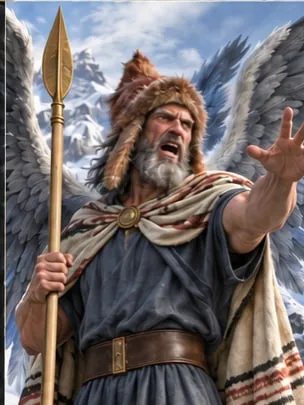
HESPERUS (personification of the evening star)
Power of sky and light · personification of the planet Venus or its manifestation in the evening
- Known as
- Hesperus
- Parents
- Astraeus, Cephalus, Eos
- Siblings
- Phosphorus
- Children
- Aegle, Hesperis, Daedalion
- In the sources
- 14 ancient passages
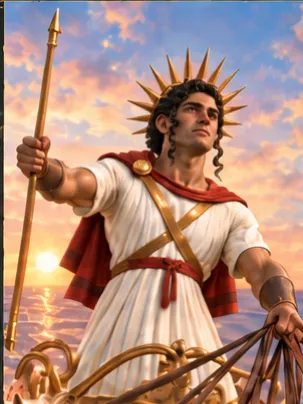
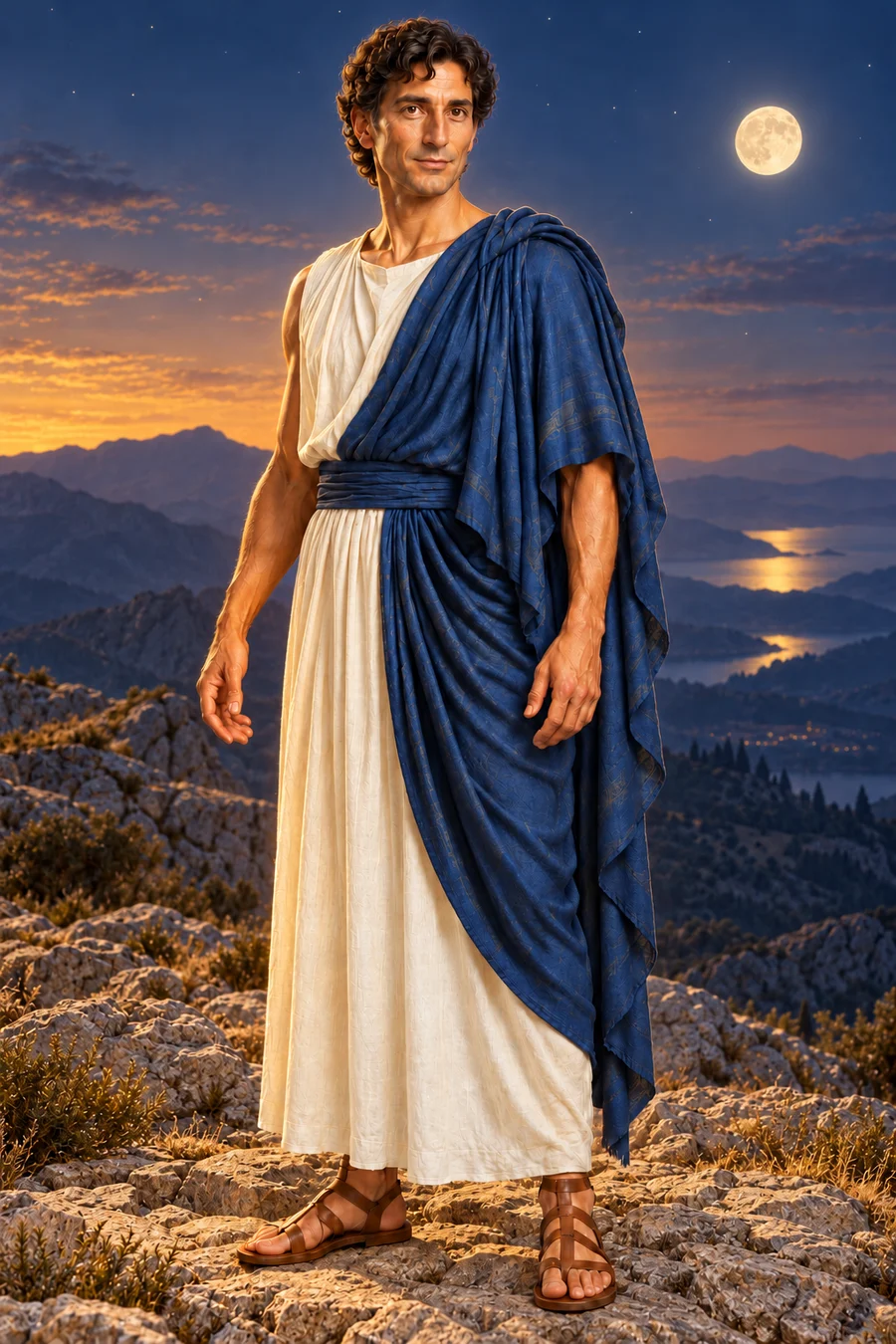
Hesperus, son of Astraeus, Cephalus, and Eos, shone as a star more brilliant than all others in the sky, though dimmer than the moon.1,2 A famous brother of Atlas in the land of Hesperitis, he had curling locks and looked down on the island of Asteria.3,4
As a son of Atlas, who ruled the coastal regions of the ocean, Hesperus climbed Mount Atlas to observe the stars.5 He fathered a daughter named Hesperis, and his children included Aegle and Daedalion.3 During the search, Hesperus failed to see the daughter resting.6 Yet he was the only one who convinced Demeter to drink while she searched, and he indicated the time of the Basket's arrival by emerging from the clouds.7
The star hails the dawn but also glows in the evening sky, its bright reflection visible in the dark-blue waves of the sea.8,2 This golden lamp, associated with the daughter of the foam, is called a sacred jewel of the deep blue night.1 The Locri Hesperii engrave the star Hesperus on their public seal.9
A procession bearing his name marched last in the sequence, moving through the stadium in the city during the hour when that star appears.10 While observing the stars, Hesperus was snatched away by mighty winds and never seen again.5 In a false tale of doubled night, Hesperus rose in the sky in place of Lucifer.11 The star marveled at being called Hesperus, and its movement was checked by the command of Alcides.8
The codex facts behind this entry
Hesperus was a famous brother of Atlas in the land of Hesperitis. Diodorus 4.27 Hesperus is described as a golden lamp associated with the daughter of the foam. Bion, Idyl 11 ¶1 The star is described as one that hails the dawn but also glows in the evening sky. Seneca, Agamemnon act 4 ¶2
Appearance
Hesperus is described as more brilliant than all other stars in the sky, though dimmer than the moon. Bion, Idyl 11 ¶1 +1 Hesperus is described as having curling locks. Callimachus, Hymn 4 ¶12
In the myths
Hesperus failed to see the daughter resting during the search. Ovid Met. 5.385-461 (3) Hesperus climbed Mount Atlas to observe the stars. Diodorus 3.60 Hesperus rose in the sky in place of Lucifer during a false tale of doubled night. Seneca, Hercules Oetaeus act 1 ¶7 Hesperus looks down on the island of Asteria. Callimachus, Hymn 4 ¶12 Hesperus was the only one who convinced Demeter to drink while she searched for her daughter. Callimachus, Hymn 5 ¶6 Hesperus indicates the time of the Basket's arrival by emerging from the clouds. Callimachus, Hymn 5 ¶6 A procession bearing the name of Hesperus marched last in the sequence of events. Athenaeus 5.27 The star was checked in its movement by the command of Alcides. Seneca, Agamemnon act 4 ¶2
Fate
He was snatched away by mighty winds while observing stars and never seen again. Diodorus 3.60