TANTALUS (son of Zeus in Greek mythology)
Figure of myth · son of Zeus in Greek mythology
- Parents
- Tmolus, Zeus, Plouto
- Consorts
- Dione, Euryanassa, Eurythemiste, Clytia
- Children
- Pelops, Niobe, Dascylus, Broteas
- In the sources
- 70 ancient passages
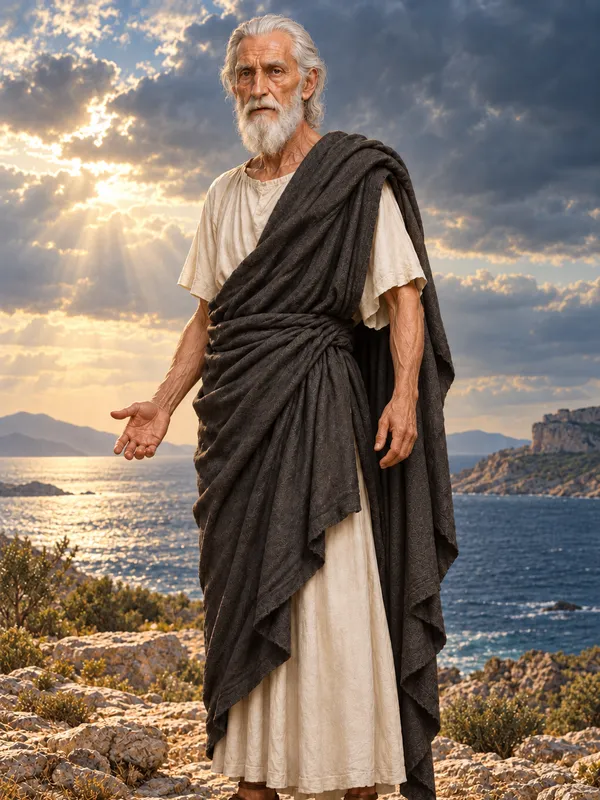
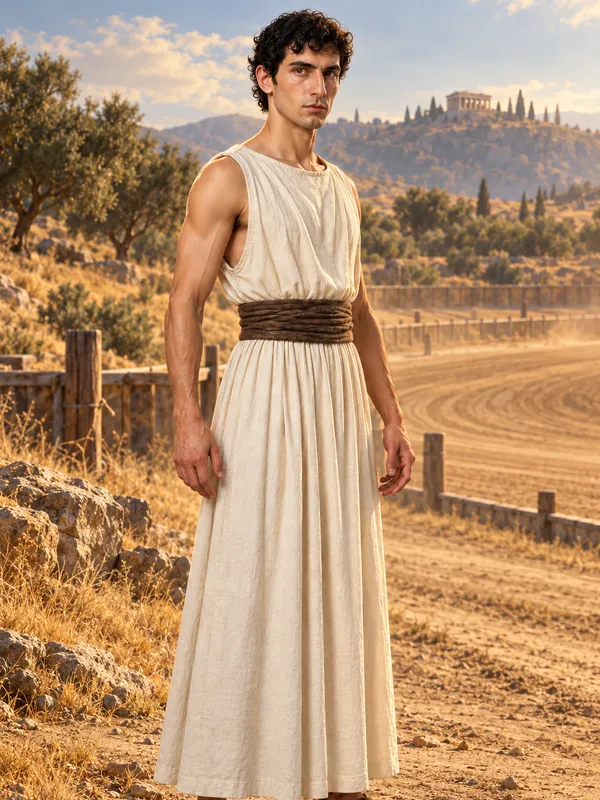
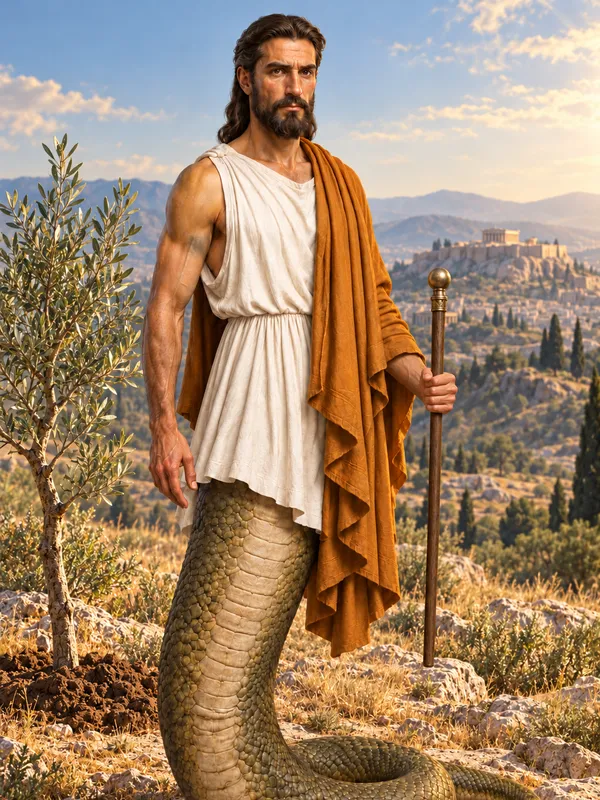
His appearance was marked by a gaping throat and a forespent look, reflecting a nature immoderately given to pleasures and impatient longing.1,2 He possessed the honor of being a guest of the great Thunderer, admitted to the common table of the gods and their intimate talk.3,4,5
Residing at Sipylus, Tantalus hosted a feast for the gods to repay them for their banquet.6,7,8 During this period of power, earthquakes overturned Mount Sipylus and swallowed villages in the region.9 Zeus granted him the ability to request any desired item, and Tantalus requested a lifestyle identical to that of the deities, a request Zeus fulfilled despite being annoyed by it.2,10
Tantalus incurred the enmity of the gods by revealing happenings among the immortals to men, which were not to be divulged, and by failing to keep his mouth closed when sharing meals with the divine.5,11 Accounts differ on the specific cause of his punishment; some claim he was punished for trying to share ambrosia with others, while others point to the disclosure of divine mysteries.12 He prepared a feast for the gods that allegedly involved feeding them his son's flesh, an act that stands in contrast to the other cited causes of his condemnation.13,1,12
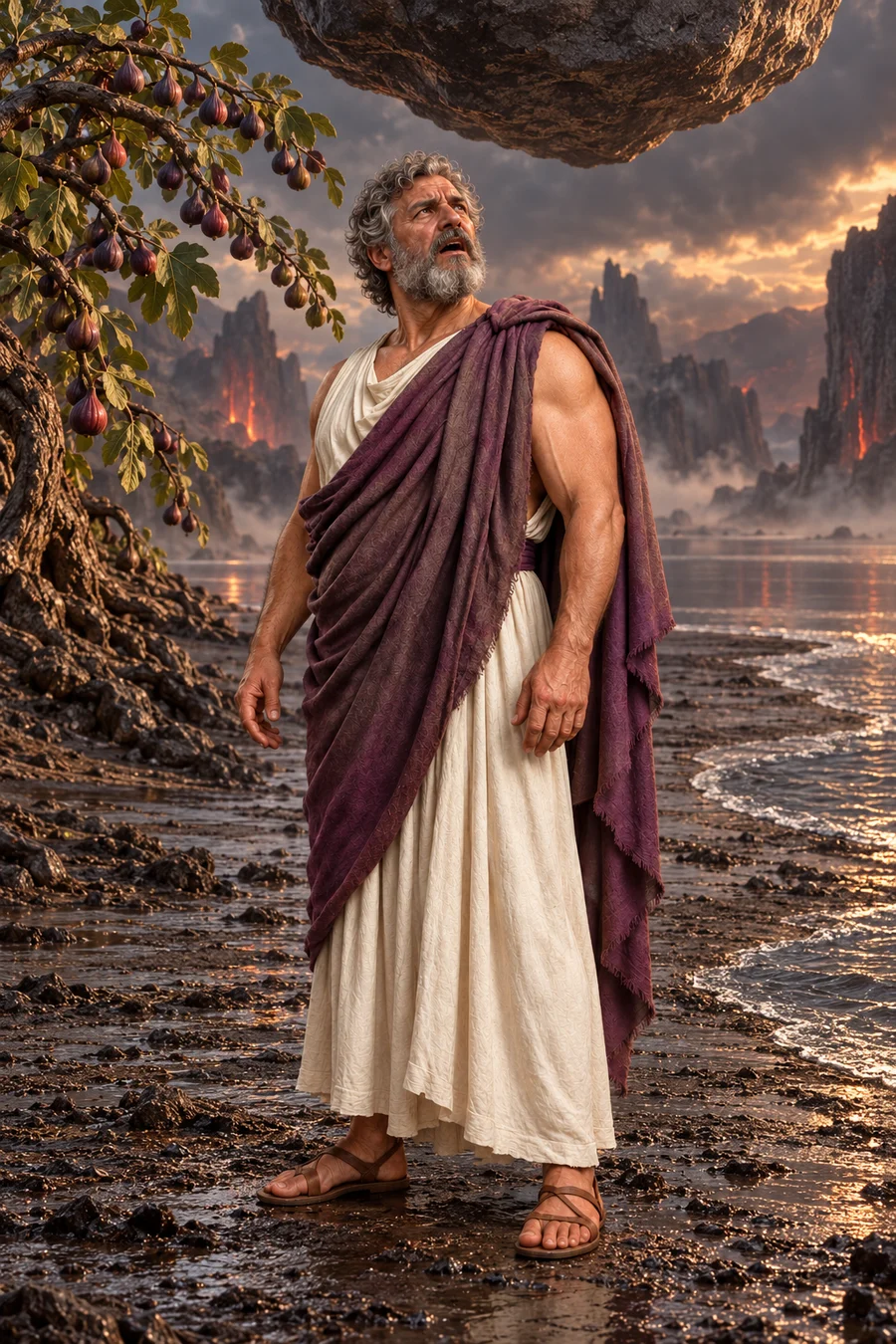
In the underworld, Tantalus endures the specific pains described by Homer, suffering eternal hunger and thirst as a penalty for his transgressions.14,15,10,1 A stone is suspended above his head, and he constantly tries to ward it away, while water moves away from him so that he is unable to reach it.12,10,3,15,2 Fruits hang above his head on a tree that mocks him, fleeing his grasp whenever he strains to close his lips in frustration.15,10,16,1,17 He is inflamed by a raging thirst that burns up his moisture, yet the water constantly escapes from him, leaving him a poor creature suffering from unquenchable desire.1,12,15,18,19
Tantalus was the father of Pelops, Niobe, and other children, and is identified as the ancestor of a family born from a divine marriage.5,11,6,20,21 His lineage is characterized by impious behavior, and his descendants are urged to stop their persistent desire for savage actions.22 He speaks to the other condemned souls in the underworld, claiming to know the punishments of the dead from personal experience.23 Though his grave is located at Sipylus, Tantalus remains a figure of grim legend, his fate a testament to the dangers of overstepping mortal bounds.6,7,14
The codex facts behind this entry
Tantalus is the son of Zeus and Hades. Diodorus 4.74 +3
In the myths
Zeus suspended a stone above Tantalus's head. Apollodorus, Epitome 2.1 +3 Tantalus is unable to reach any waters that move away from him. Apollodorus, Epitome 2.1 +3 Tantalus prepared a feast for the gods that allegedly involved feeding them his son's flesh. Euripides, Iphigenia Among the Tauri 342-391 +3
Fate
Tantalus suffers eternal hunger and thirst as punishment, with water constantly escaping from him and fruits hanging above his head that flee his grasp when he reaches for them. Athenaeus 1.45 +3