LYCAON (king of Arcadia)
Figure of myth · Greek mythical character, king of Arcadia, son of Pelasgus and Meliboea
- Parents
- Pelasgus, Deïaneira, Meliboea, Cyllene
- Consorts
- Nonacris
- Children
- Plato, Arcas, Makedon, Callisto, Leo, Parrhasius, Helisson, Caucon, Haemon, Tegeates, Horus, Mecisteus and 58 more
- Haunts and cult places
- Arcadia
- In the sources
- 45 ancient passages
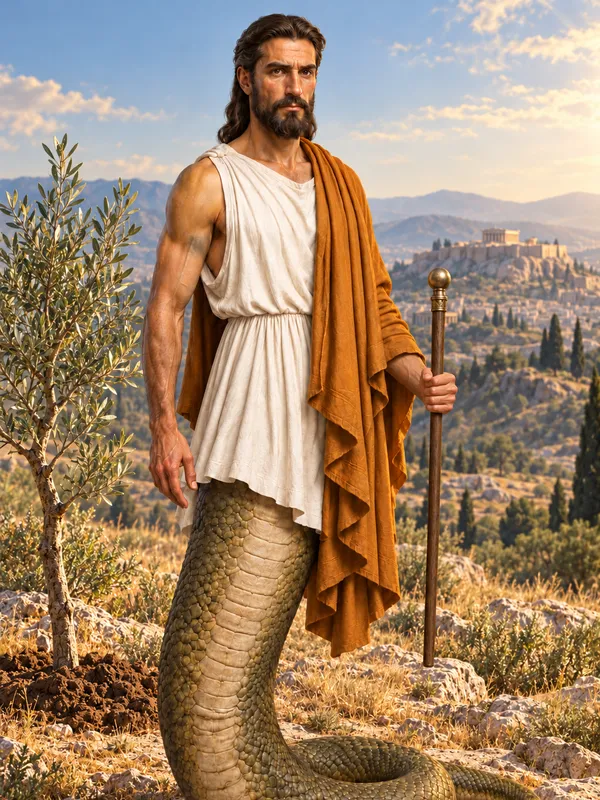
Hesiod described him as divine or god-like, and he was a contemporary of Cecrops, the king of Athens.1,2,3 The Parrhasian people were of his lineage, and he held the position of ruler over the Arcadians.4,5 He kept his old age, fierce expression, and bright eyes, even after the change that defined his end.6
Lycaon fathered fifty sons through many different wives, and he is identified as the father of the archer Pandarus and of Callisto.5,2,7,8,9,10 He was also the father of Orchomenus, who founded Orchomenus, and Hypsus, who founded Melaeneae and Hypsus.11 Some accounts claim Phigalus was not actually a son of Lycaon but an aboriginal, though he was identified as the original founder of the city.12 Lycaon founded the city of Phigalia and established Lycosura on Mount Lycaeus, where he also founded the Lycaean games.13,14
He plotted against the supreme god who controls thunder and the other deities.15 He mocked the people’s worship of the arriving divine figure and planned to kill the visitor while he slept to test his divinity.6 He slaughtered a Molossian hostage and cooked parts of his body.6 He served the cooked flesh of the hostage to the visitor.6
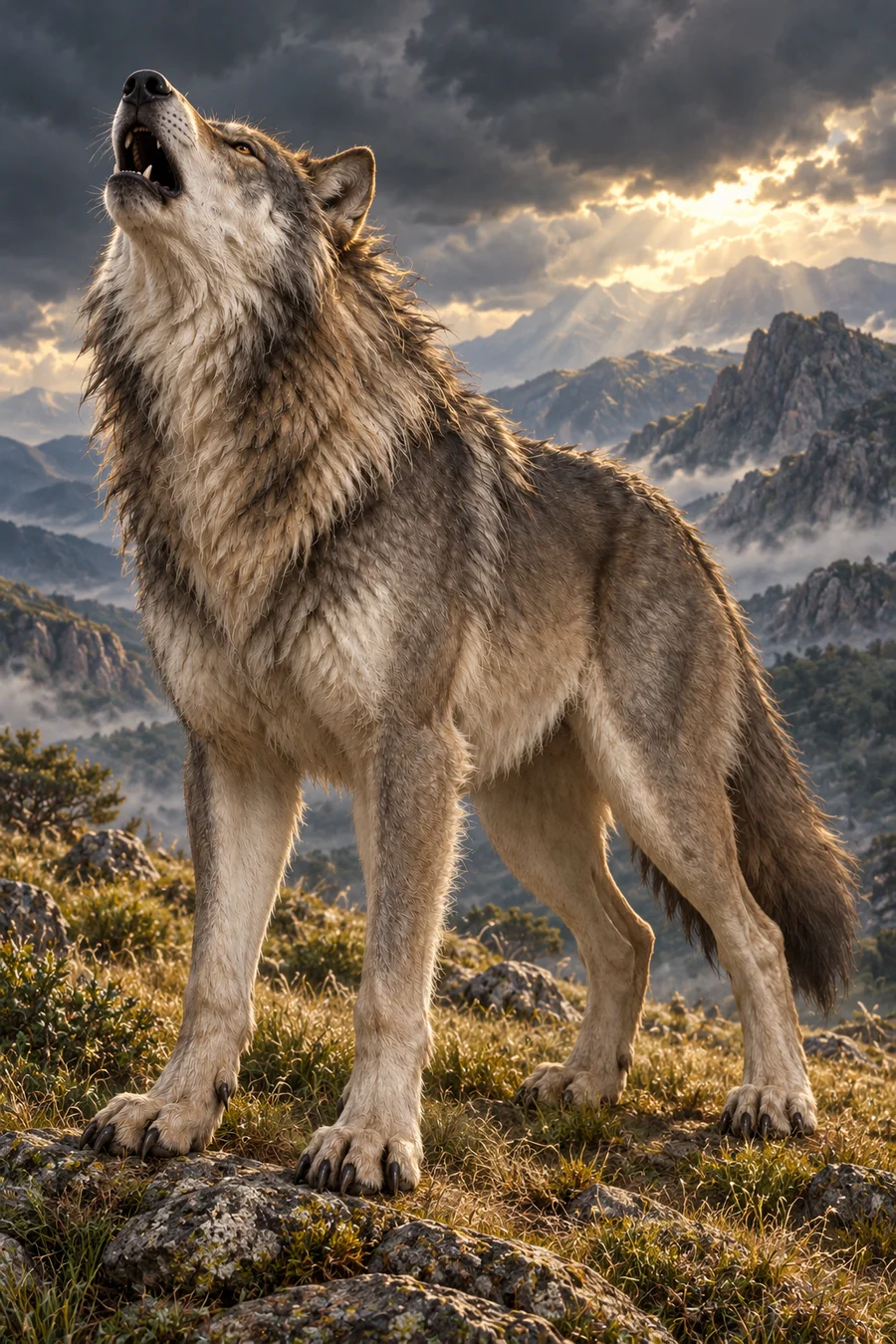
Zeus struck Lycaon and his sons with thunderbolts in anger.5 Lycaon was destroyed by Zeus's thunderbolts, and some believe he was transformed into a beast.5,16 According to the story, his transformation into a wolf was not permanent, and ever since his time, men have transformed into wolves during sacrifices to Lycaean Zeus.17 His clothing turned into hair and his arms became legs, and he fled into the countryside and began howling like an animal.6 He attempted to speak in vain after reaching the solitude of the country, his mouth developing a violent desire to attack sheep and drink blood.6
The impiety of Lycaon’s sons is said to have occasioned the great flood during the time of Deucalion.18 He assigned the surname Lycaeus to the god Zeus, and he received the transformed Callisto and her infant son from goat-herds.14,19 Lycaon pretended ignorance about Zeus seducing Callisto, and he was identified as the father of the woman who is the mother of Arcas.20,21 A high burial mound belonging to his son is described as appearing beautiful even to the gods.22 He was transformed into a wolf while retaining some human features.6
The codex facts behind this entry
Hesiod describes Lycaon as divine or god-like and the son of Pelasgus. Strabo 5.2.4 +1
In the myths
Lycaon served Zeus a cut-up infant at a meal. Ovid Met. 1.163-215 +1 Lycaon fathered fifty sons through many different wives. Apollodorus 3.8.1 +1