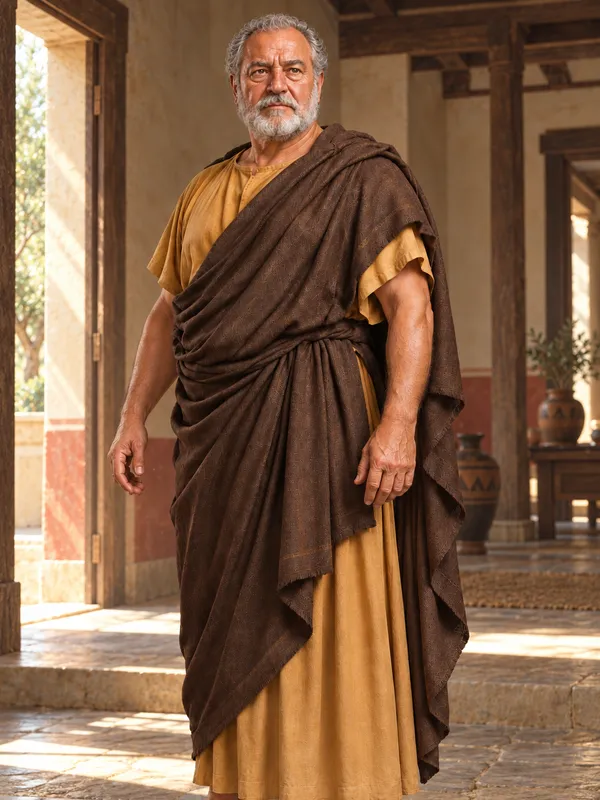
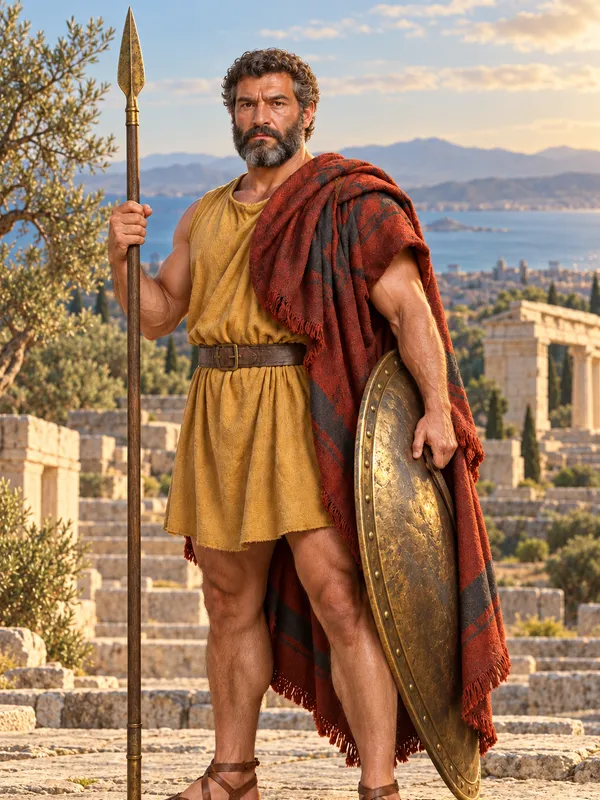
CECROPS I (mythical king of ancient Athens)
Figure of myth · mythical king of ancient Athens
- Consorts
- Aglauros
- Children
- Pandrosus, Herse, Aglaurus, daughter of Cecrops, Cekropides, Erysichthon of Attica
- In the sources
- 42 ancient passages
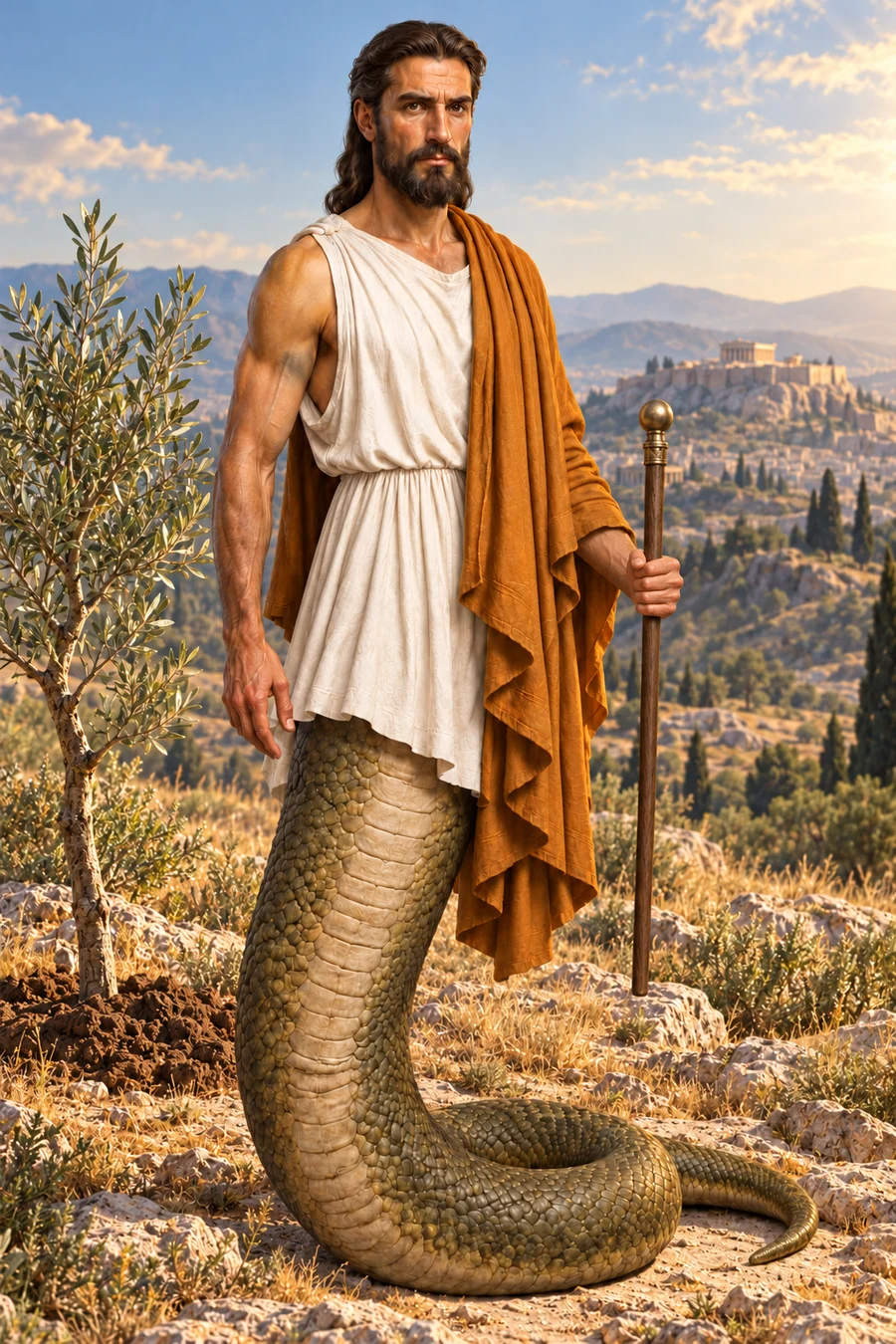
Cecrops I stood as the initial ruler and king of the city of Athens and the region of Attica, a figure whose very name marked a barbarous origin for the individual.1,2,3 His physical form was a striking mixture of human and serpent features, a dual nature that some accounts described as having two shapes.1,4,5 He is identified as the son of Pandion, though other traditions name him as the eldest son of the king Erechtheus.6,7 He is identified as the starting point for inquiries into the city's founders.8
Upon assuming the throne, Cecrops I renamed the territory formerly known as Acte to Cecropia in his own honor and named a town after himself.1,9 He settled a large group of people in twelve different cities, including one named Cecropia and a settlement in the city known as Epacria.10 The people under his rule were known as the Cecropidae, and he gave his name to a tribe in Athens following a Delphic oracle.11,12 He was the first to establish monogamy in Athens, replacing previous random connections, and some called him διφυὴς because paternity was previously unknown due to shared wives.13
Cecrops I was the first person to designate Zeus as the Supreme god, a pivotal act in the religious history of the land.14 He refused to offer any living animal as a sacrifice, burning national cakes on the altar instead, a ritual conducted later than the one performed by the Heliadae.14,2 The Athenians still referred to these specific cakes as pelanoi, preserving the memory of his unique sacrificial practice.14 He performed a sacrifice to Athena using fire, unlike the Heliadae who did not, further distinguishing his worship.2
In the famous dispute over the land, Cecrops I bore witness that Athena was the first to plant the olive tree, testifying to her act in the conflict with Poseidon.1 He married Agraulus, the daughter of Actaeus, and they produced a son named Erysichthon, who died while Cecrops was still alive.15,16 A goddess commanded Envy to infect one of his daughters with poison, and when the daughters opened the ark containing the infant, they stained the cliff with blood and died.17,18
The people of Cecrops I aimed to subjugate the entire region of Achaia and requested military assistance from the sons of Æacus.19 His cavern was located beneath the rocky roof of Macrae, the site where Ion was exposed as a baby.20 Cecrops I passed away, which led to Cranaus taking the throne, and the land of Cecrops was condemned to perform funerals to expiate a wicked deed.21,16,22 The descendants of Cecrops sent the equipment of the Pilgrim Ship to Phoebus, ensuring his legacy endured in ritual and memory.23
The codex facts behind this entry
Cecrops was the initial ruler and king of the city of Athens and the region of Attica. Apollodorus 3.14.1 +2
Appearance
Cecrops had a physical form that was a mixture of human and serpent features. Apollodorus 3.14.1 +1
Fate
Cecrops passed away, which led to Cranaus taking the throne. Apollodorus 3.14.5 +1