HIPPOLYTUS (son of Theseus)
Figure of myth · son of Theseus in Greek mythology
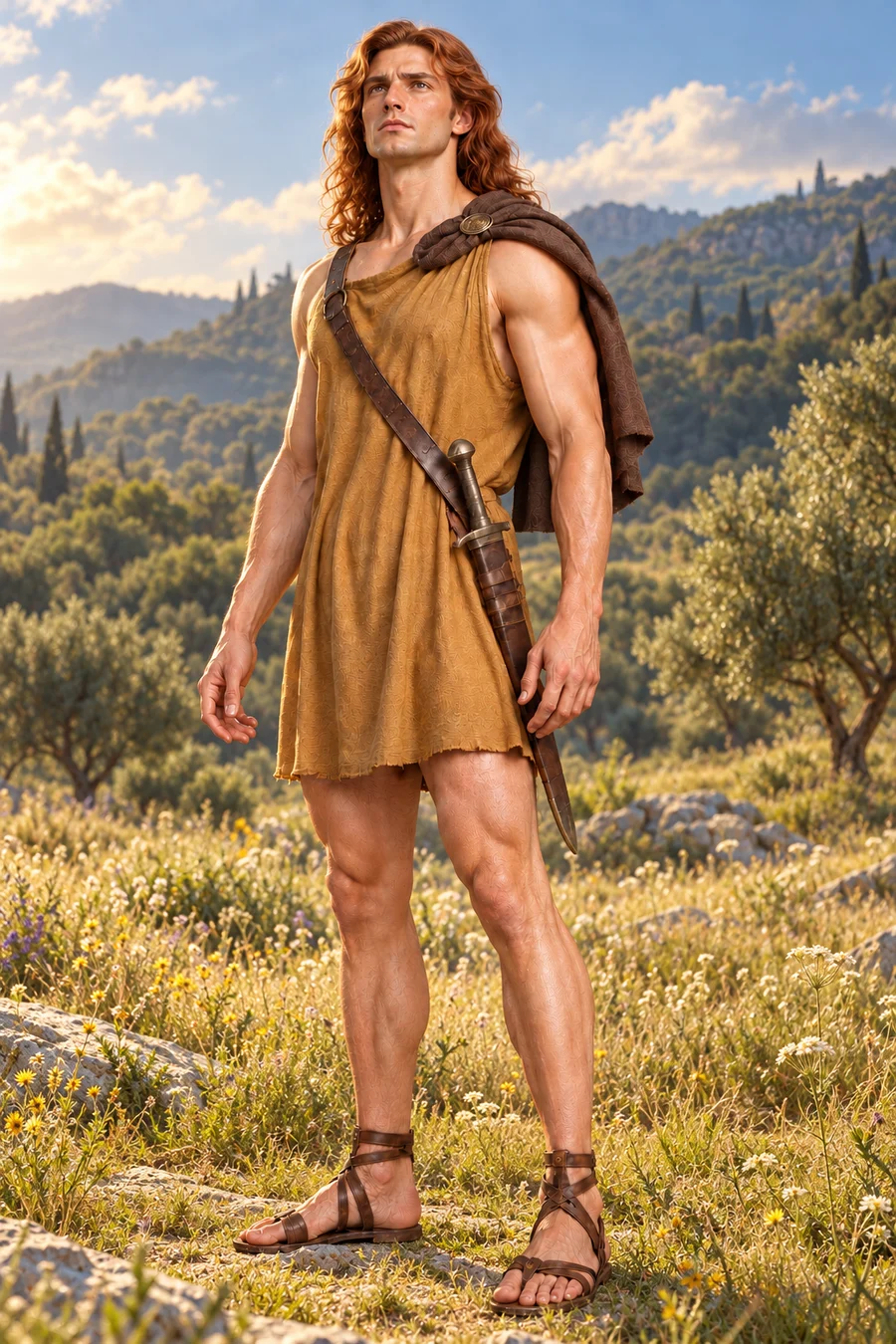
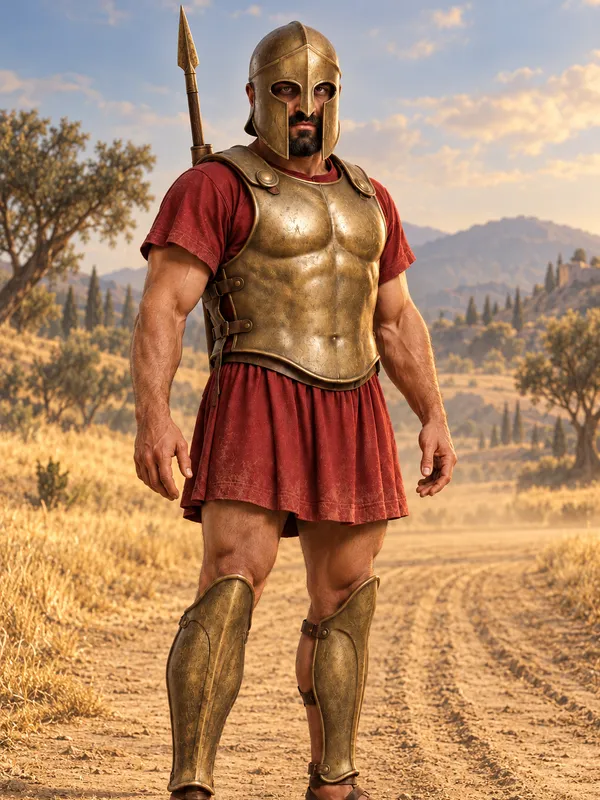
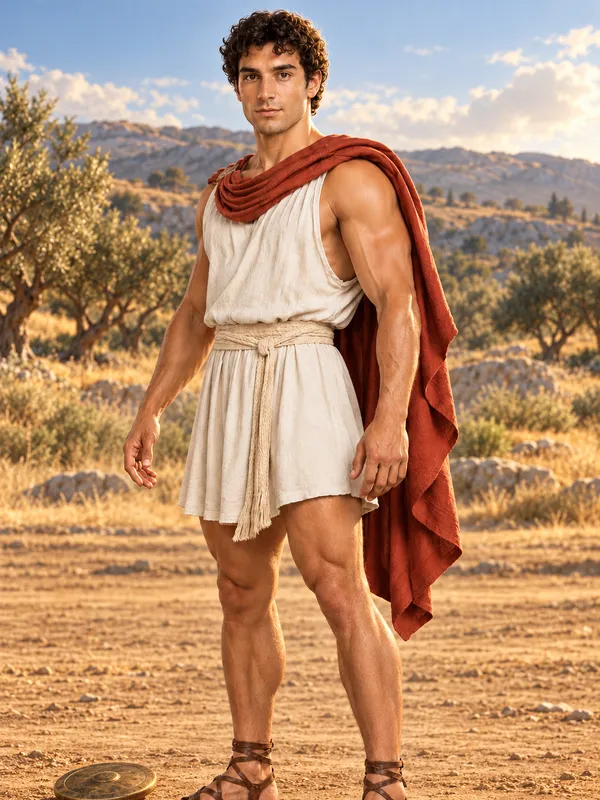
He led the hunt, tended the fane, and guarded shrines for the goddess, claiming the unique privilege of conversing with her without seeing her face.4,5,6 Fresh from the labors of the chase, he cleared the earth of wild beasts with his fleet hounds, dressed in hunting attire and accompanied by a long group of retainers.7,8,9 He owned steeds he intended to yoke to a chariot for exercise, using his well-known voice to cheer them on.6,10,11
By Aphrodite’s design, Phaedra fell in love with him, drawn by his beauty, and plotted his death after he refused her request to lie with her.8,12,13,14 Hippolytus scorns love, refuses to marry, and describes women as a plague that ruins a household’s fortune, declaring that his tongue had sworn an oath but his heart had not.8,15,16 He hates, dreads, and curses all women, stating he will never feel anything but hatred toward them and hates the very name of womankind.17,18,14 Phaedra falsely accused him of proposing to lie with her to Theseus, who then summoned him to test the truth of the accusation.14,13
Theseus accused Hippolytus of brutally violating his honor and outraging his wife, leading to a divine deception that resulted in the prince’s death.19,20,21,22 Theseus asked Poseidon to kill Hippolytus, and the curse took effect as the prince was driving a chariot.23,4 The chariot overturned when its reins became entangled in a wild olive tree, and Hippolytus was dragged to death by leathern thongs.24,23,13 He died because of the horses pulling his chariot, his life-blood given to satisfy his vengeful father.22,25,21,2 He lies dead as a mangled, lifeless corpse, his fair flesh and auburn hair badly disfigured, yet described as unstained and innocent.26,27,28
Asclepius resurrected Hippolytus after he died from Theseus’s curses, allowing him to take the name Virbius while living in hiding.29,30,21 He became the king of the Aricians in Italy and was later identified as a king of Sicyon, fathering Lacestades.30,31 The Troezenians gave him honours equal to those offered to gods, maintaining a lifelong priest and establishing annual sacrifices in his honor.13,32 Unmarried maidens in Troezen cut a lock of hair and dedicate it to Hippolytus before marriage, honoring the man who stood steadfast with a savage countenance.4,32,11
The codex facts behind this entry
Hippolytus is the son of Theseus and an Amazon. Apollodorus, Epitome 1.18 +6
In the myths
Theseus killed Hippolytus due to a false accusation and divine deception by uttering curses to Poseidon. Aeneid 7.761 +4 Theseus asked Poseidon to kill Hippolytus, and Hippolytus died from the effects of that curse. Apollodorus, Epitome 1.19 +2 Hippolytus refused Phaedra's request to lie with her. Apollodorus, Epitome 1.18 +2 Phaedra fell in love with him by Aphrodite's design and plotted his death. Euripides, Hippolytus 1-33 +1 He hunts wild beasts in the greenwood with his hounds and has just returned from these activities. Euripides, Hippolytus 1-33 +1 He scorns love, refuses to marry, and describes women as a plague that ruins a household's fortune. Euripides, Hippolytus 1-33 +1 Theseus accused Hippolytus of brutally violating his honor and outraging his wife. Euripides, Hippolytus 1060-1101 +1 Phaedra falsely accused Hippolytus of proposing to lie with her to Theseus, who then summoned him to test the truth of the accusation. Apollodorus, Epitome 1.18 +1 Hippolytus died because of the horses pulling his chariot. Euripides, Hippolytus 1151-1197 +1 Hippolytus declared that his tongue had sworn an oath but his heart had not. Euripides, Hippolytus 601-639 +1
Worship
Hippolytus and his attendants were votaries of Artemis, whom he honored as the chief of goddesses. Euripides, Hippolytus 1-33 +2 The Troezenians gave Hippolytus honours equal to those offered to gods, maintaining a lifelong priest and establishing annual sacrifices in his honor. Diodorus 4.62 +1 Unmarried maidens in Troezen cut a lock of hair and dedicate it to Hippolytus before marriage. Euripides, Hippolytus 1389-1430 +1
Fate
Hippolytus was dragged to death by leathern thongs. Apollodorus, Epitome 1.19 +3 Asclepius resurrected Hippolytus after he died from Theseus's curses. Apollodorus 3.10.3 +1 Hippolytus lies dead as a mangled, lifeless corpse, described as unstained and innocent. Seneca, Phaedra act 5 ¶1 +1 Hippolytus's death was the result of a prayer made by his father, Theseus, and his life-blood was given to satisfy his vengeful father. Aeneid 7.761 +1