CYBELE (anatolian mother goddess)
Divine power · Anatolian mother goddess
- Consorts
- Attis, Sangarius
- Children
- Midas, Nicaea, Corybas, Alce
- Symbols and gear
- lions, pines
- Haunts and cult places
- Sardis, Pessinus, Phrygia
- In the sources
- 25 ancient passages
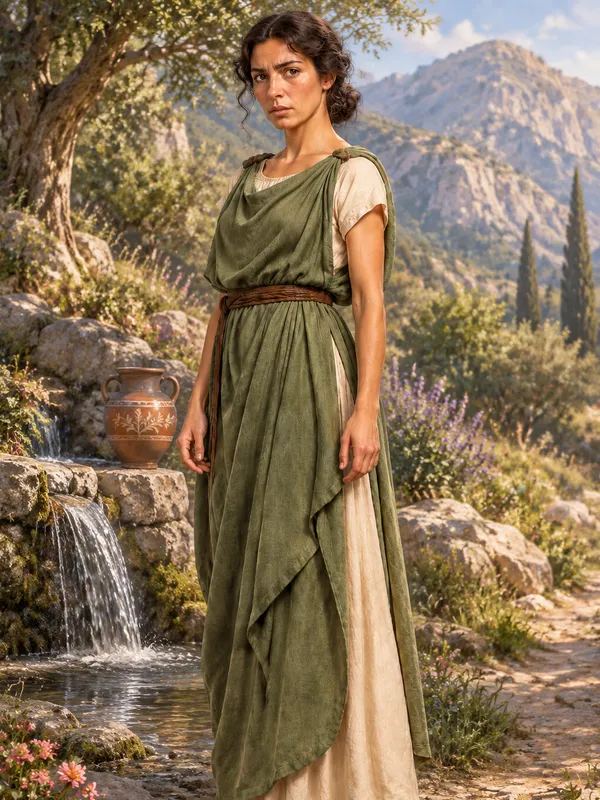
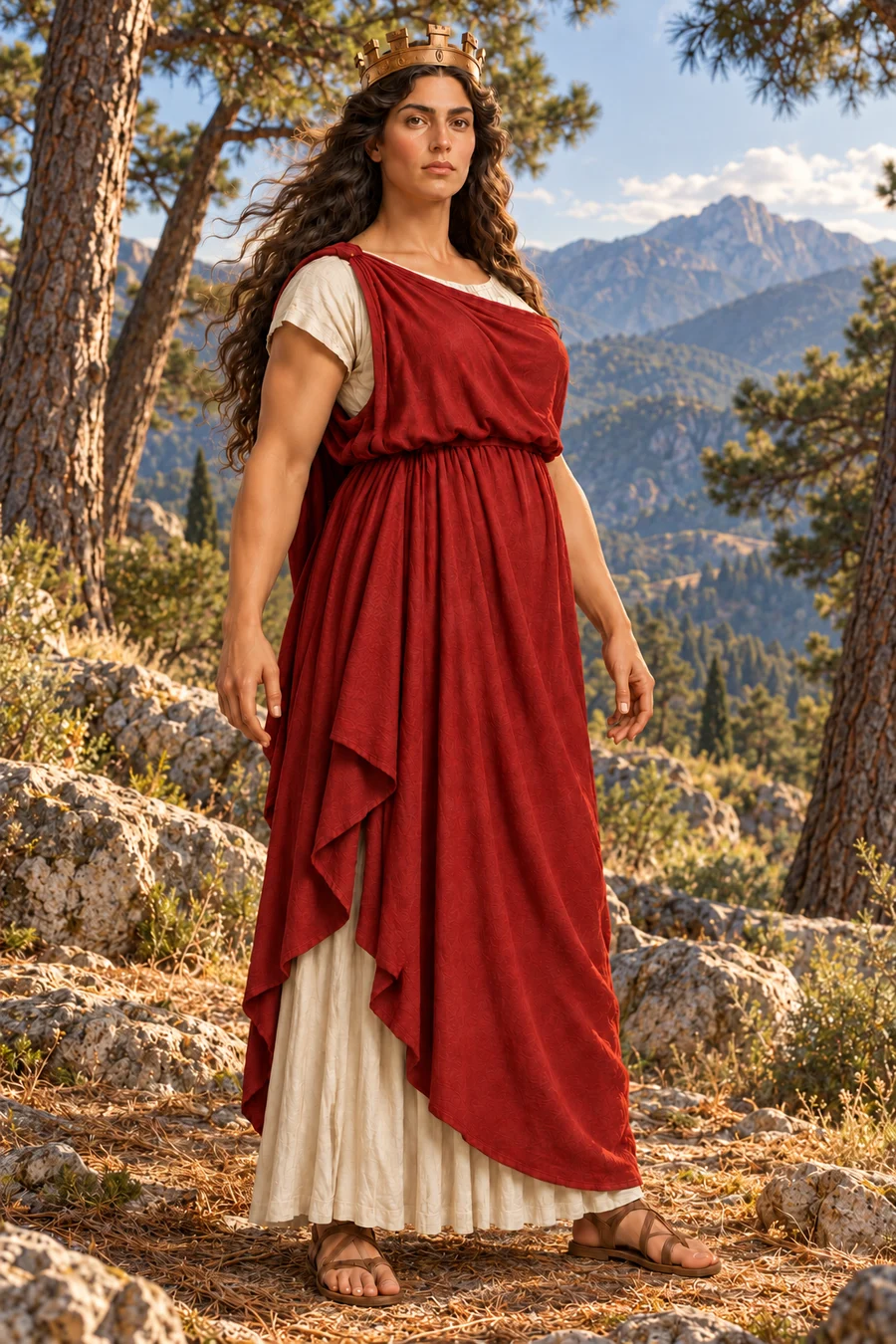
She is known by many names, including Cybebe and Dindymene, derived from the places of her worship.1,2 As she grew up, she was admired for her beauty and virtue, possessing intelligence that marked her character.3 In her full regalia, she wears a crown of turrets or castles, driving a chariot pulled by yoked lions that champ her bits with their jaws.4,5,6,7
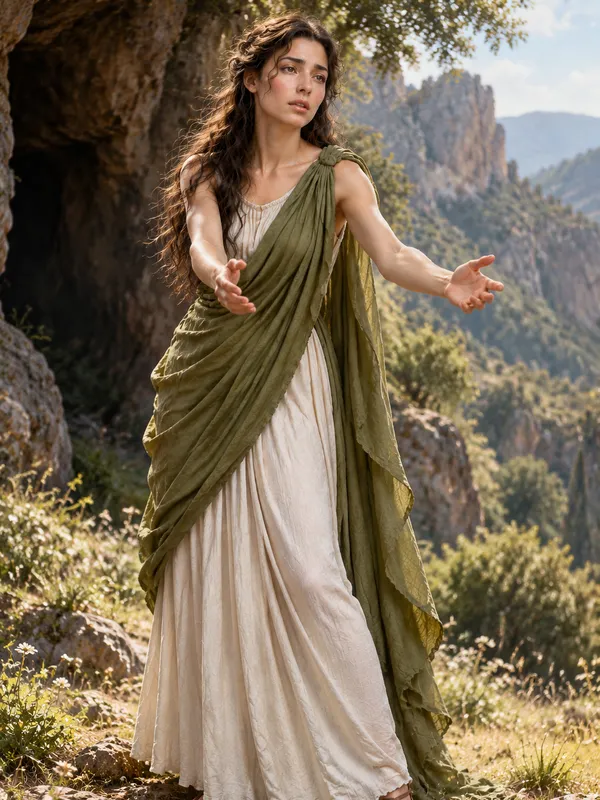
In Phrygian myth, her father Meion exposed the infant on the mountain Cybelus because he refused to raise her.3 Women tending flocks found the child and named her Cybele after the mountain, while leopards and other wild beasts nursed her with their milk.3 Her parents recognized her as their child only after she became pregnant from her secret relationship with a native youth named Attis.3 Tragedy struck when her father killed Attis and her nurses, causing Cybele to become frenzied and leave the palace.8 She wandered alone through the countryside, her hair hanging free, beating a kettledrum and crying aloud in her grief.8 Marsyas the physician, who had loved her more than anyone else, voluntarily followed her in her wanderings out of pity and former affection.3,8
Cybele joined herself to the first Olympus, where she was identified with the Great Mother Rhea.9,10 She and Iasion begot Corybas, and Iasion is stated to have married her.10 After joining the first Olympus, she begat Alce.10 Her sons were numbered among the divine, holding high thrones, and she was said to have one hundred such sons.7 Cybele removed herself to Phrygia along with Dardanus and Corybas.10
She invented the pipe of many reeds, cymbals, and kettledrums for use in games and dance.3 She taught purification rites to heal sickness in flocks and children, and her spells saved infants from death, leading people to hold her in their arms.3 Her ministers, known as Curetes or Corybantes, served her rites, which were associated with the Phrygian mountains and sacred pines used to build a vessel.1,11,9 The Seirites first played flute airs during a festival dedicated to her.12
Her worship was located in the groves of Ida on the Isle of Crete and in the lofty groves of Phrygia.13,5 A temple dedicated to Cybebe existed in the city of Sardis, though it was destroyed by fire during the burning of the city.14 In Pessinus, a temple dedicated to her was located, and the Attalic kings adorned her sacred enclosure with a temple and marble porticos.1,2,15,8 The groves of Cybele were struck by the bolts of Zeus the Thunderer, and her temple served as a location where legal prosecutions were tried.13,16 In later deeds, she transformed Hippomenes and Atalanta into lions as a punishment for their crime, and Cybebe transformed Aeneas's fleet of ships into sea nymphs, granting them the power to live eternally in the sea.6,4 She drove her chariot through the Phrygian kingdoms, capable of making maidens frantic.17,7
The codex facts behind this entry
Cybele is identified as the great mountain mother deity. Aeneid 3.84 +2 Cybebe is identified as the goddess of the country where Sardis is located. Herodotus 5.102.1 The name Cybele is derived from the place name Cybela. Strabo 12.5.3
Appearance
She grew up to be admired for her beauty and virtue. Diodorus 3.58 She is described as being crowned with turrets. Ovid Met. 10.519-707 (10)
Powers
Cybele is capable of making maidens frantic. Euripides, Hippolytus 141-150 She invented cymbals and kettledrums for use in games and dance. Diodorus 3.58 She taught purification rites to heal sickness in flocks and children. Diodorus 3.58 She was the first to invent the pipe of many reeds. Diodorus 3.58 Her sons are numbered among the gods and hold high thrones. Aeneid 6.756
In the myths
Cybele transformed Hippomenes and Atalanta into lions as a punishment for their crime. Ovid Met. 10.519-707 (10) The temple of Cybebe was destroyed by fire during the burning of Sardis. Herodotus 5.102.1 The Attalic kings adorned her sacred enclosure with a temple and marble porticos. Strabo 12.5.3 The Romans transported her statue from Pessinus to their city following a Sibyl's oracle. Strabo 12.5.3 Cybele joined herself to the first Olympus. Diodorus 5.49 Cybele named the goddess Cybele after herself. Diodorus 5.49 Marsyas voluntarily followed Cybele in her wanderings out of pity and former love. Diodorus 3.59 Leopards and other wild beasts nursed her with their milk. Diodorus 3.58 Women tending flocks found the infant and named her Cybele after the mountain. Diodorus 3.58 Cybele became frenzied and left the palace after her father killed Attis and her nurses. Diodorus 3.59
Worship
Her temple in Pessinus is held in the highest veneration. Strabo 12.5.3 The Berecyntes, Phrygians, and Trojans worship her and perform orgies in her honor. Strabo 10.3.12 Corybantes are those who act possessed while celebrating the rites of Cybele. Diodorus 5.49 Pindar describes cymbals, crotala, and torches being used in her rites. Strabo 10.3.13 Euripides mentions tambourines being raised high in her honor. Strabo 10.3.13 Initiates celebrating her orgies are described as becoming worshipers of Dionysus. Strabo 10.3.13
Fate
Apollo commanded the Phrygians to bury Attis and honour Cybele to end a pestilence. Diodorus 3.59