HIPPOMENES (challenger of Atalanta)
Figure of myth · mythical character, challenger of Atalanta
- Parents
- Megareus of Onchestus, Merope
- Consorts
- Atalanta
- Children
- Parthenopeus
- In the sources
- 18 ancient passages
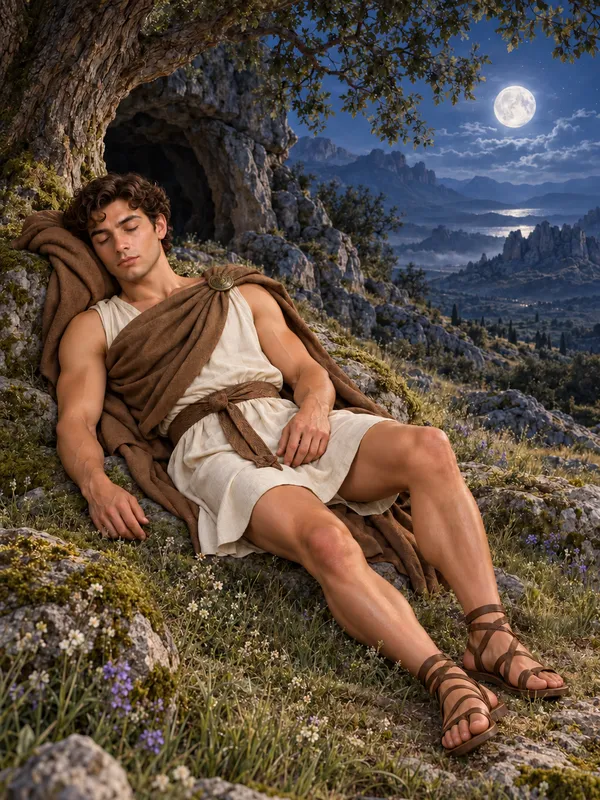
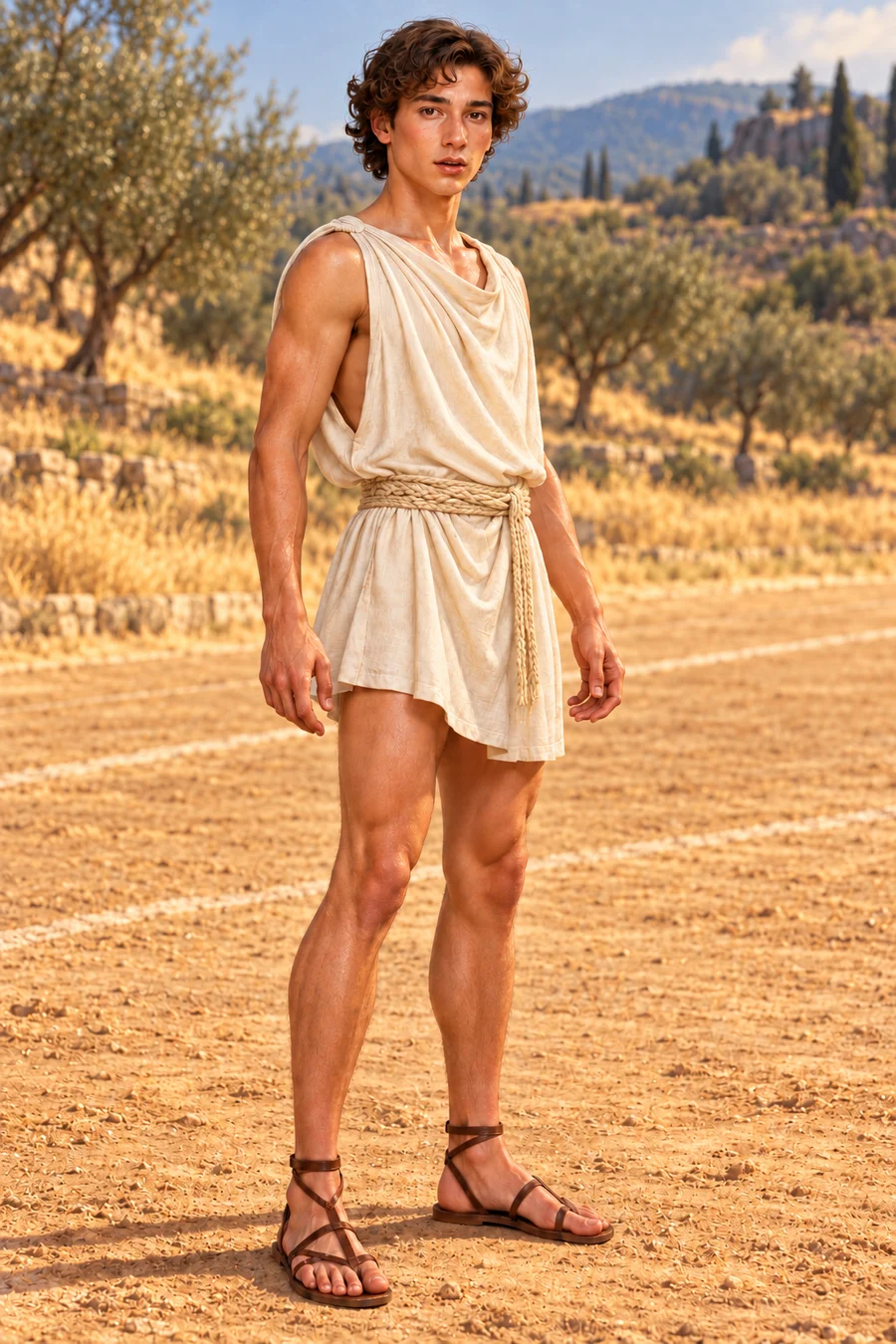
He possessed a youthful face with a feminine appearance.1 At first, he criticized the other suitors for their dangerous pursuit of a wife.2 However, when he watched the running contest as a spectator, he was astonished by Atalanta's beauty when he saw her unclothed.2 This sight changed his mind, and he later apologized to the other suitors for his earlier criticism.2
Hippomenes challenged Atalanta to a race after she defeated other suitors, knowing that victory in the contest was required to secure the marriage.3,4,5,6 He offered Atalanta an honorable name if she defeated him.3 A large crowd of people gathered around the scene, encouraging Hippomenes to run faster and win the contest.6,7
During the race, Hippomenes threw the first apple, causing Atalanta to turn and grab it.8,9 He passed the virgin after she stopped to pick up the first apple.9 He then threw a second apple to the ground, which caused her to stop again.8,9 Finally, he threw the third apple obliquely near the finish line, making her return slowly.8,9 By throwing this final apple, he escaped death and a dark destiny, outrunning her to win the prize.9,8 He followed lightly on his feet throughout the contest, standing panting after the race concluded.8
Victory in the contest would allow him to escape death and return to his native land.5 As part of the reward, he received swift-footed horses, and the gods were asked to grant him splendid children.5 Atalanta expressed a desire to share a bed with him, considering him worthy of living a long life.1 They became lovers, and their union produced a son named Parthenopeus.
Yet their happiness was short-lived, for Hippomenes was driven by a sudden, unseasonable desire to caress his wife in a sacred recess near a temple of Cybele.10 His necks were covered with yellow manes, and his fingers were bent into claws as part of his change.10 His shoulders were transformed into fore-legs, and his whole weight shifted into his breasts.10 His tails began to sweep the surface of the sand, and he became dreadful to others, resembling a lion.10 Both he and Atalanta had their looks filled with anger, and he began to utter growls instead of words.10 He came to haunt the woods instead of chambers.10 In another account, Agenor killed Hippomenes with a swift thrust between his shoulder and neck, and his soul rushed forth in blood.11
The codex facts behind this entry
Hippomenes is the great-grandson of Poseidon. Ovid Met. 10.519-707 (5) +1
In the myths
Hippomenes challenged Atalanta to a race after she defeated other suitors. Ovid Met. 10.519-707 (5) +3