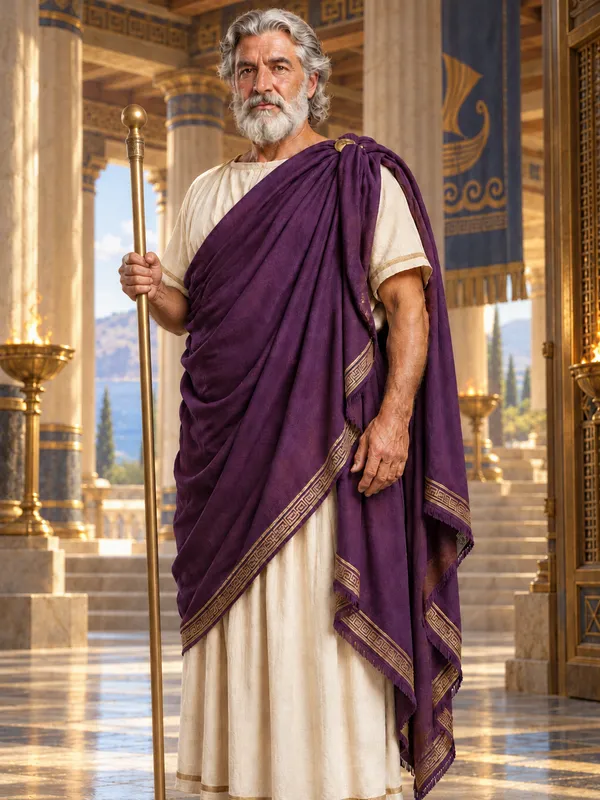
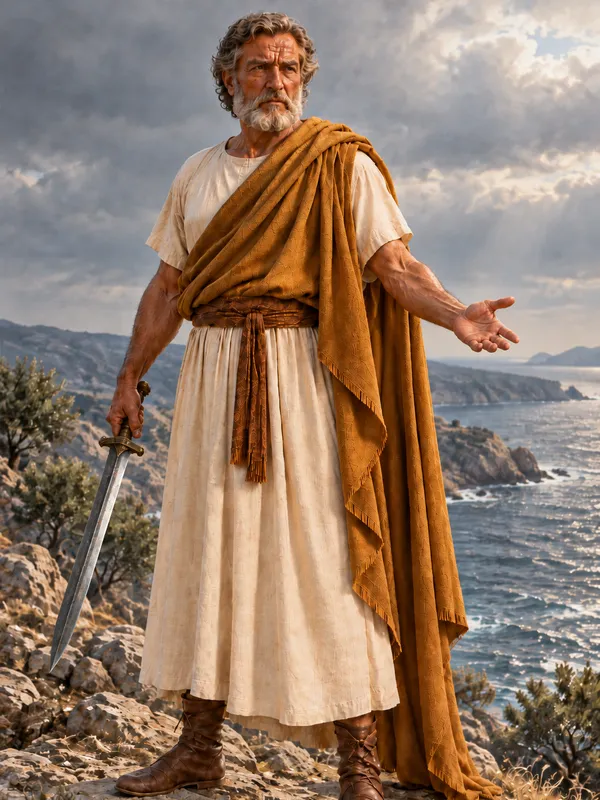
TIRESIAS (blind prophet of Apollo)
Figure of myth · blind prophet of Apollo
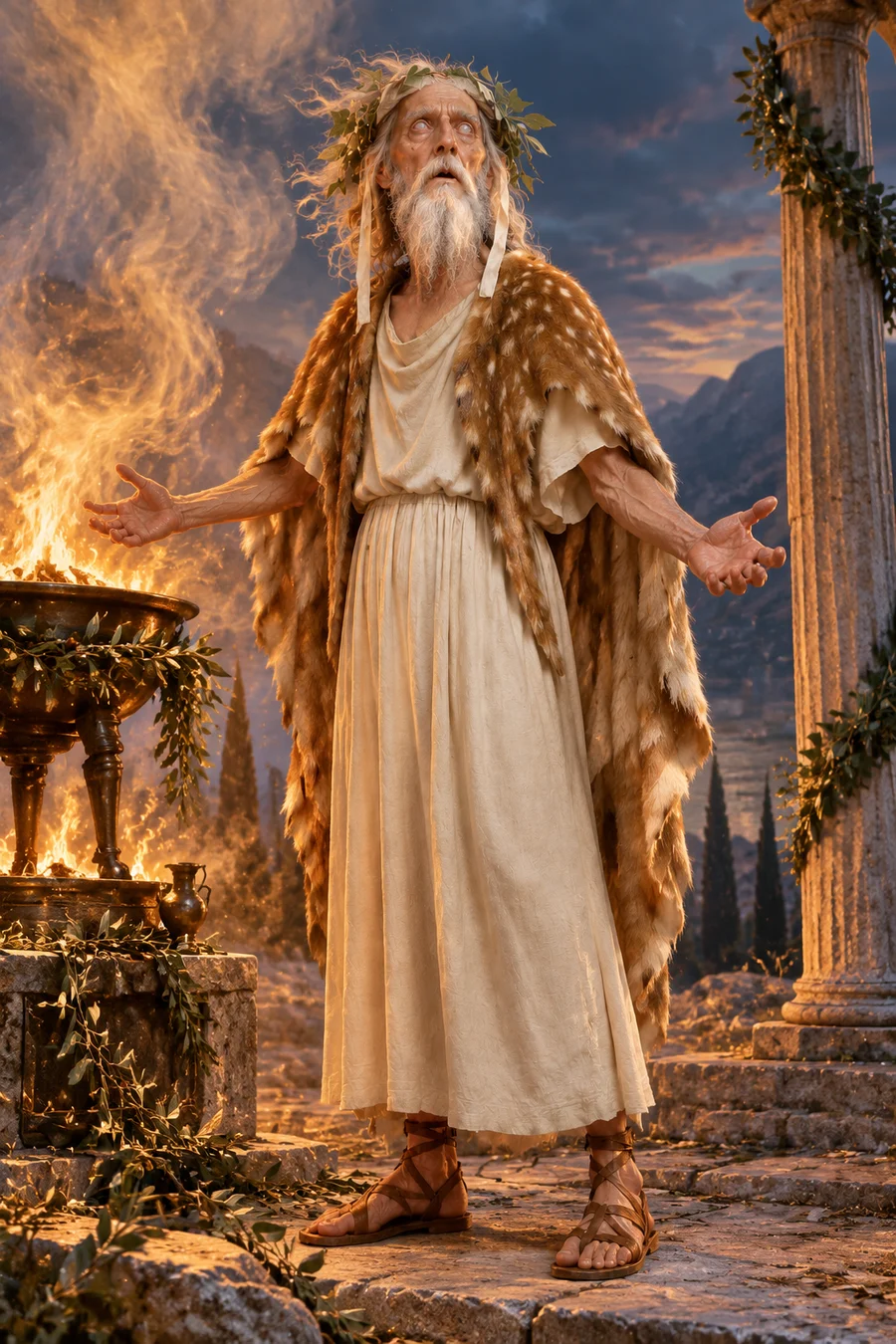
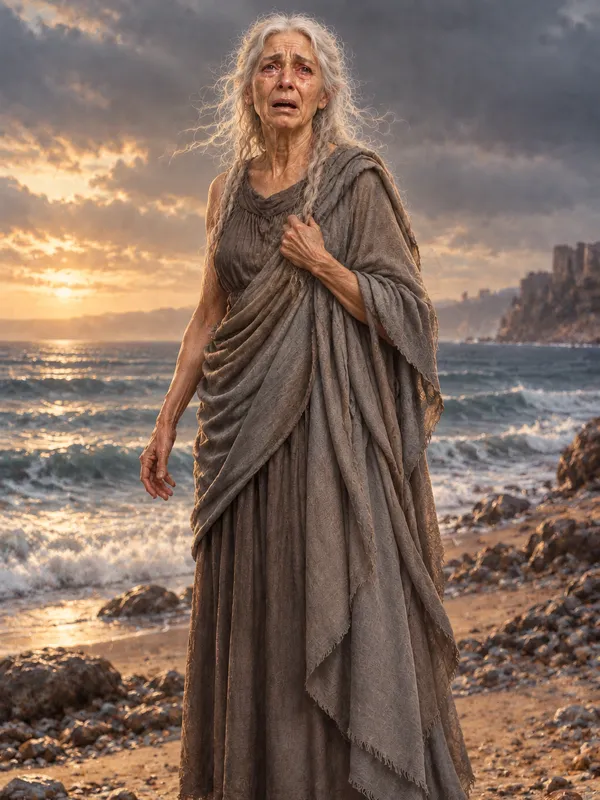
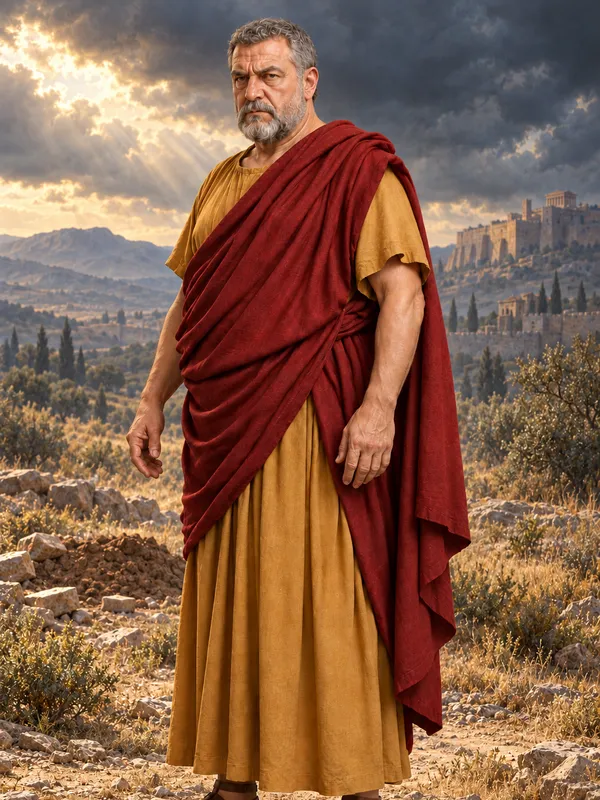
Tiresias, the blind Theban prophet, stood as a godlike figure in whom truth itself resided, possessing knowledge of the will of the gods and both speakable and unspeakable things. [f: 1, 2, 105, 106]1,2,3,4,5,6 Son of Everes and the nymph Chariclo, he was a chosen prophet of Zeus, second only to Phoebus, and the city's own seer. [f: 25, 29, 31, 35, 36, 37, 108]7,8,9,1,10,11 An aged man with trembling limbs, a pallid hue, and a hoary beard combed downward, he wore dappled fawn-skins and carried a thyrsos. [f: 12, 40, 61, 62, 63, 67, 69, 70, 73]12,13,2,14,15,16 His hair rose in horror, lifting his fillets high as he absorbed prophetic vapours from the garlanded fire. [f: 43, 71, 74, 86]17
Zeus bestowed the art of soothsaying upon him, while Athena gave him the ability to understand every note of birds. [f: 46, 47]1 He had been both a man and a woman, a unique distinction that led to his experience in the pleasures of both sexes. [f: 10, 27]18,19,20 After separating coupling serpents with a blow of his staff, he faced a contest regarding the pleasures of love. [f: 20, 88]1,20 Hera blinded him as punishment for his judgment in that contest, though his eyes remained empty of sight while his mind saw clearly. [f: 20, 55, 64, 65]1,20,21,22,17
He served Thebes by advising the people to flee their city to save their lives during times of crisis. [f: 14, 51]23,24,25 He prophesied that victory required Menoeceus to sacrifice himself to save the city of Cadmus. [f: 16, 83]1,16 When Oedipus demanded secret information, Tiresias refused to reveal it, asserting that the future would come of itself. [f: 17, 99]21,26 He challenged Oedipus to verify his prophetic accuracy and stated that he would grieve neither himself nor the king. [f: 52, 53, 99]27,26 Reluctant to speak painful truths, he maintained that it was his duty to speak the truth and refuse to act unjustly. [f: 79, 80, 100]28,16
Odysseus descended to Hades to question Tiresias's soul about returning home. [f: 4, 50]29,30,31 In the house of Hades and Persephone, the ghost was consulted, his reason remaining unshaken unlike other dead prophets. [f: 5, 7, 48, 95]32,29,30 Persephone granted him the unique ability to retain his understanding after death, making him the only intelligent being in that realm. [f: 48, 49, 58]32,33,34 He gave a prophecy to Odysseus, predicting the specific number of monsters a child would destroy on land and sea. [f: 13, 56, 93]35,36,7
Tiresias died while traveling through Haliartia after drinking from the spring Tilphussa. [f: 6, 18]23,37,11,38 He was the father of Manto, who was given to Apollo by the Argives, as well as Historis and Daphne. [f: 3, 28, 33, 34, 38, 39, 109]39,37,12,40,41,33,24 Despite the weight of his many years, he felt young and willing to dance, claiming to be amazed by conflicting voices within his own soul. [f: 60, 75, 76, 77]42,43,14 His voice caused pyres to tremble and flames to cower as he withheld the destinies of heaven. [f: 98, 102]17,15
The codex facts behind this entry
Teiresias is a blind prophet from Thebes. Apollodorus 3.6.7 +7 Teiresias is a godlike prophet in whom truth resides, whose soul grasps both speakable and unspeakable things, and who possesses knowledge of the will of the gods. Euripides, The Phoenician Maidens 737-783 +4 Teiresias is an old man who is blind. Euripides, Bacchae 170-214 +1
Appearance
Tiresias is described as an aged man with trembling limbs, a hoary beard combed downward, and a pallid hue. Seneca, Oedipus act 2 ¶4 +1
In the myths
Odysseus descended to Hades to question Tiresias's soul about returning home. Odyssey 10 ¶48 +4 Teiresias gave a prophecy to Odysseus when he visited his shade in Hades. Odyssey 11 ¶12 +1 He advised the Thebans to flee their city to save their lives. Apollodorus 3.7.3 +1 Teiresias asked a boy to guide him home so he could stop his anger. Sophocles, Antigone 1064-1090 +1 Teiresias advised the Thebans that victory required Menoeceus to sacrifice himself to save the city of Cadmus. Apollodorus 3.6.7 +1 Teiresias refuses to reveal the secret information Oedipus demands from him. Sophocles, Oedipus Tyrannus 300-329 +1 Teiresias drank water from the Tilphusa spring while thirsty during the journey. Callimachus, Hymn 5 ¶3 +1 He enters the scene led by a boy. Seneca, Oedipus act 2 ¶5 +1
Fate
Teiresias died while traveling through Haliartia after drinking from the spring Tilphussa. Apollodorus 3.7.3 +3 Teiresias exists as a ghost in the underworld whose reason remains unshaken, unlike other dead prophets who become shadows. Odyssey 10 ¶41 +2 Hera blinded him as punishment for his judgment in the contest regarding the pleasures of love. Apollodorus 3.6.7 +1