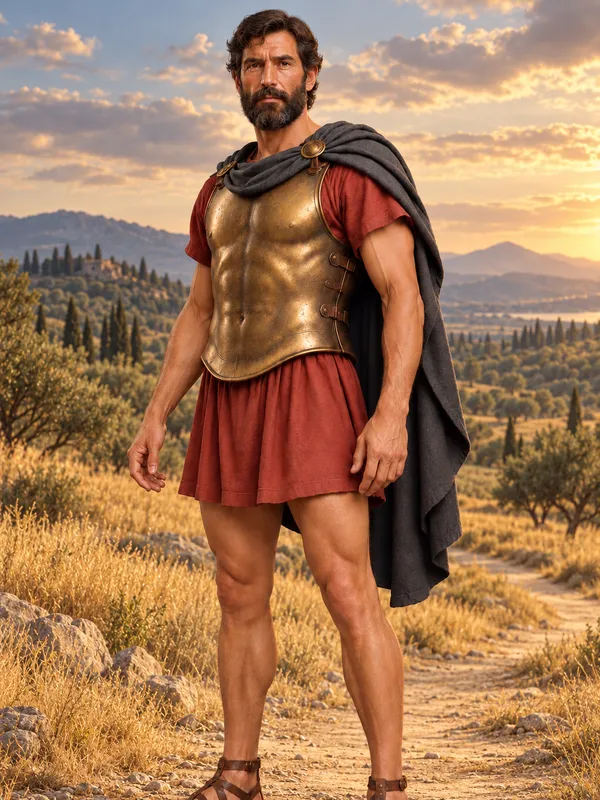
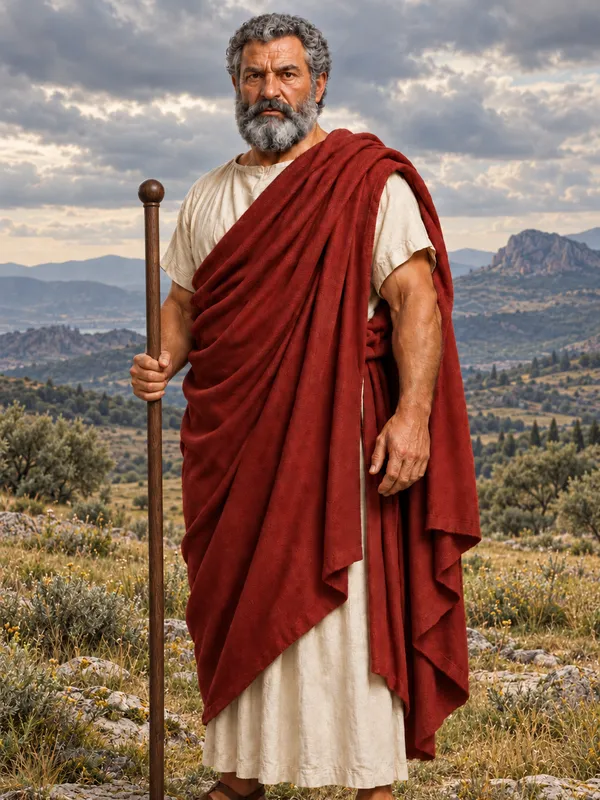
POLYMESTOR (king of the Bistonians)
Figure of myth · mythical king of the Bistonians in Thrace
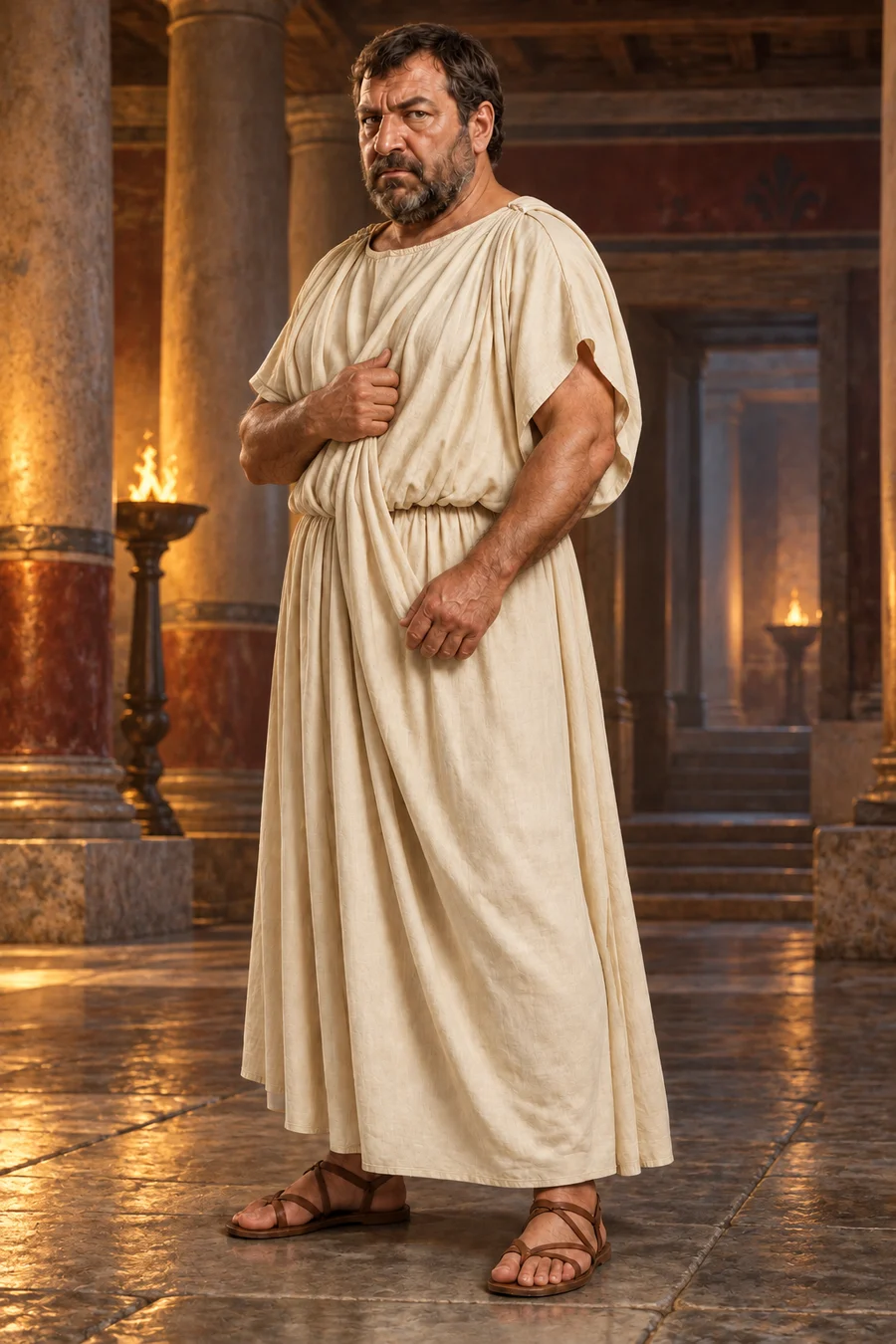
When Priam entrusted his son Polydorus to Polymestor's care, the boy was kept in the king's house along with a large amount of gold.7,6,4 Motivated by greed after hearing of the Phrygians' defeat, Polymestor killed Polydorus to prevent the boy from repopulating Troy and causing the Achaeans to attack Thrace.7,4 He stabbed the fosterchild in the throat with a sword, mutilated the body, and threw the corpse from a rock into the sea instead of burying it.4,5
Hecuba and the captive women blinded Polymestor and killed his children in retaliation for his godless actions.8,7,4 Polymestor emerged from the tent blind and stumbling, with blood streaming from his eyes.8,9 He attempted to break down the tent doors with a heavy bolt and called out to his Thracian spearmen for assistance.8,10 Fearing his children would be killed and eaten by dogs, he rushed toward a chamber to protect them from the maenads.9
Polymestor appealed to the sons of Atreus for help and considered flying to the sky or plunging into Hades to escape his fearful fate.10 He begged Agamemnon to allow him to tear Hecuba apart with his hands, but Agamemnon ordered him to stop his rage and plead his case fairly.7 Despite his claims that the Achaean army was well-disposed toward him, he was defeated and captured by Hecuba, a woman and slave.3,2
Polymestor was dragged away by Agamemnon's servants to be cast on a desert island, suffering physical harm as punishment for his crimes.2 Aechmis succeeded Polymestor to the throne after his death.1
The codex facts behind this entry
Polymestor is identified as the wicked king of the land where the boy was sent, who acted out of avarice. Euripides, Hecuba 767-811 +1
In the myths
Priam entrusted Polymestor with the care of his son Polydorus, who was kept in Polymestor's house. Euripides, Hecuba 1107-1144 +2 Hecuba and the captive women blinded Polymestor and killed his children. Euripides, Hecuba 1035-1055 +2 Motivated by greed for gold after hearing of the Phrygians' defeat, Polymestor killed Polydorus to prevent him from repopulating Troy and causing the Achaeans to attack Thrace. Euripides, Hecuba 1107-1144 +1 Polymestor killed his fosterchild by stabbing him in the throat with a sword, mutilated the body, and threw the corpse from a rock into the sea instead of burying it. Euripides, Hecuba 767-811 +1