POLLUX (brother of Castor)
Figure of myth · Greek mythical figure, brother of Castor
- Known as
- Prize-winning
- In the sources
- 56 ancient passages
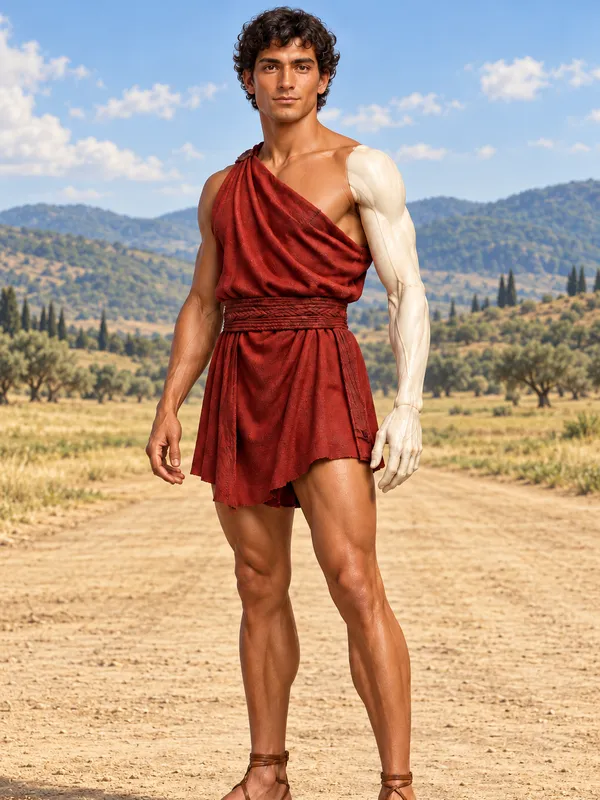
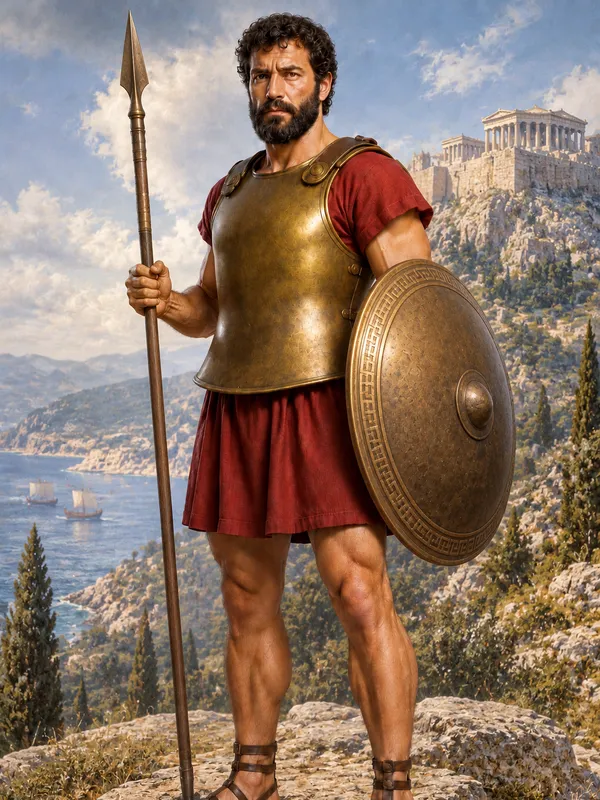
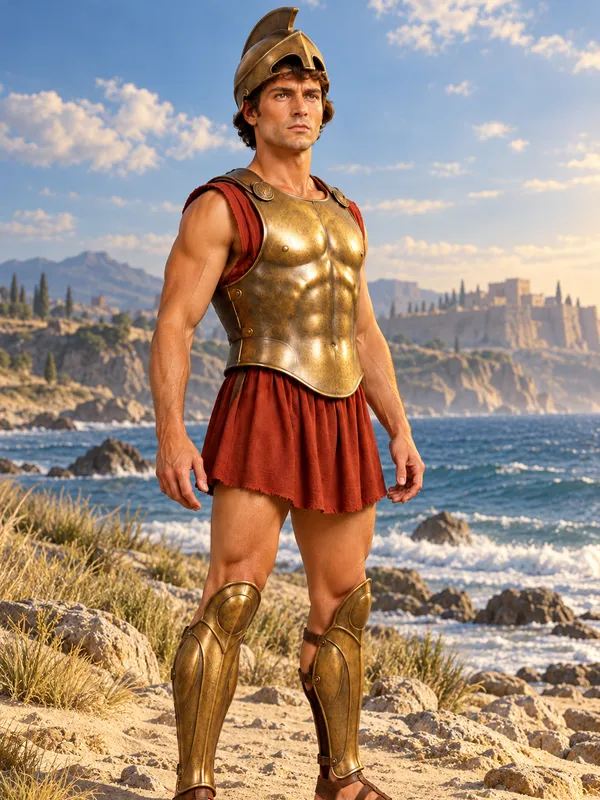
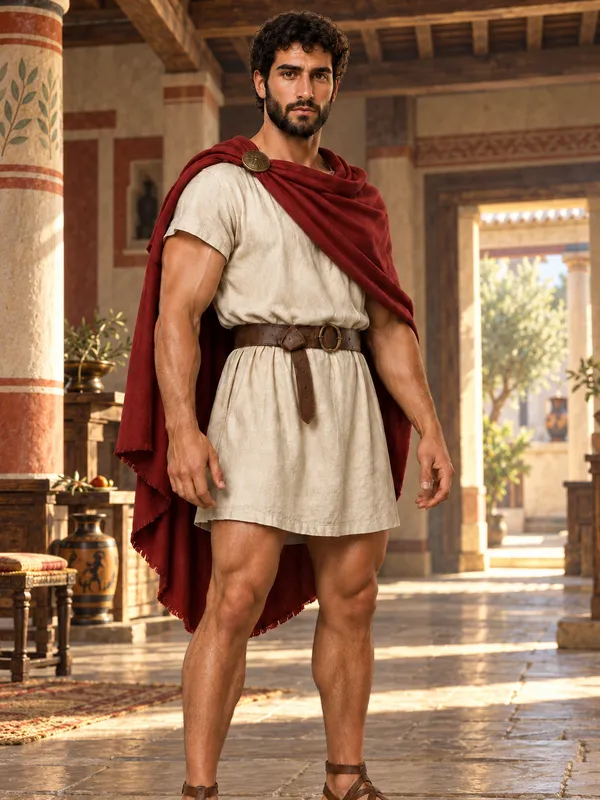
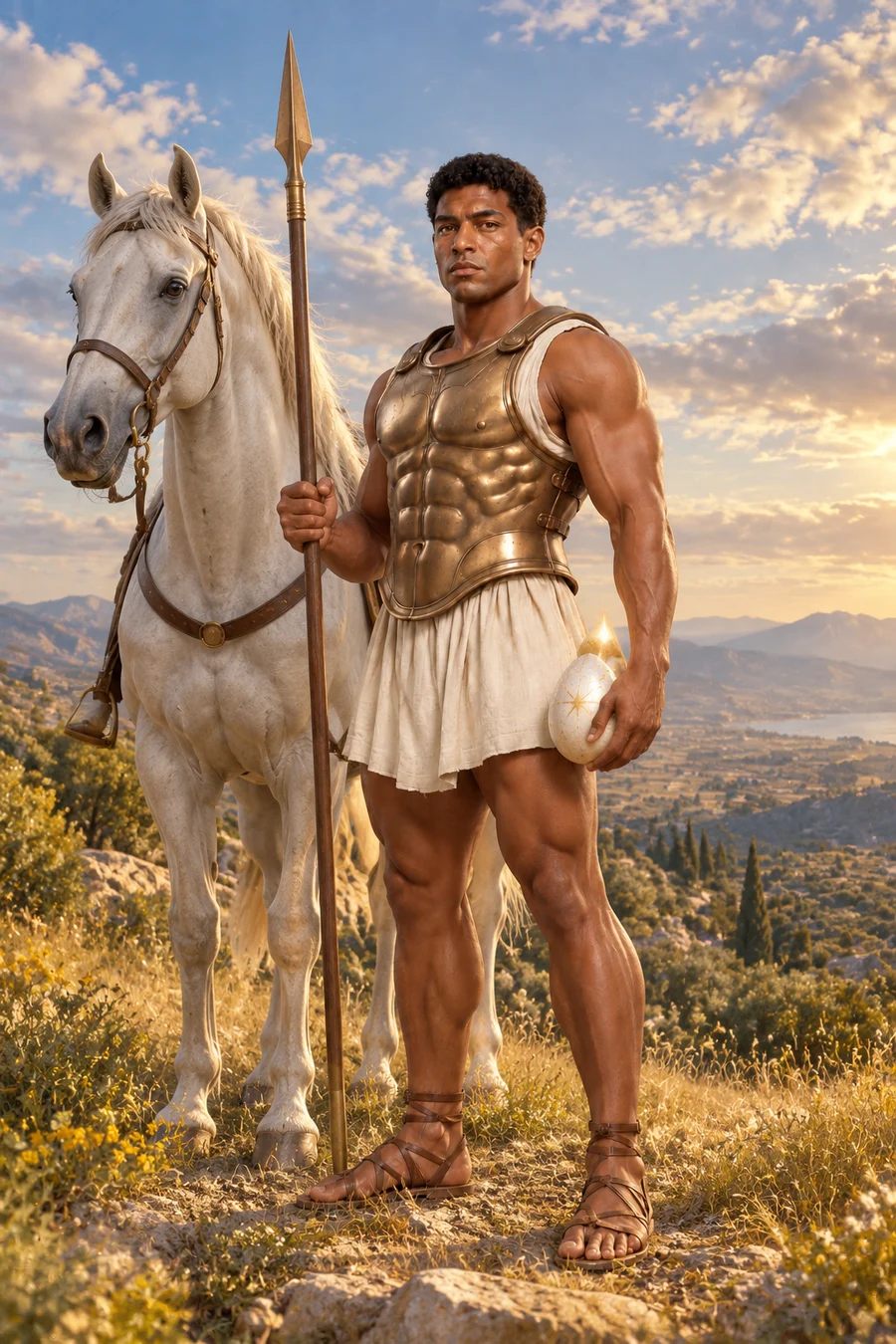
He was the son of Leda and Tyndareus, though other accounts declare him the son of Zeus, who secretly compelled Leda to conceive him.1,2,3,4,5 Known as the King of Amyclae, he possessed a dark complexion and a face marked by scars from boxing wounds.6,7,8 As he warmed to physical work, his limbs grew stronger and his color improved, revealing the strength of a man who practiced the art of boxing.9,10 He was described as a knight, harper, wrestler, and minstrel, and was the brother of the mother of Agamemnon.11,12
During the expedition led by Jason, Pollux volunteered to fight King Amycus in a boxing match, having been the most angered by the challenge.13,14,15 He stepped forward to act as the champion for his companions, slipping his head out of the way of a huge fist before striking Amycus on the elbow and killing him.15,6,14 After defeating Amycus, Pollux was attacked by the Bebryces, but the chiefs of the Argo rescued him from the attackers.14 The Mariandyni formed an alliance with the heroes because of this victory over Amycus.16 Upon returning from Colchis, Pollux and Castor built a temple of Athena Asia.13
Pollux desired to become the husband of Helen, seeking her based on reports from others without having ever seen her beauty.17 Agamemnon wooed the woman for his brother Menelaus instead, and Polydeuces was a recipient of messages sent by Menelaus.18,19 In a later conflict, Pollux and Castor marched against Aphidnae to retrieve Helen, taking possession of the city and leading Aethra away as a captive.5
He was also involved in a dispute over cattle, helping to steal animals belonging to Idas and Lynceus, for which he was caught in the act.20 Polydeuces killed Lynceus during the conflict over cattle, and he later raised a trophy to celebrate his victory over Lynceus.21,22
Pollux was married to one of the daughters of Leucippus, and Phoebe bore him a son named Mnesileus.23,10 Zeus granted Polydeuces immortality by allowing him to alternate between the divine realm and the realm of the dead every other day, sharing this fate with his brother Castor.10,8 Due to this divine arrangement, he holds the rank of a god and possesses the quality of being immortal.4,24 As one of a pair of divine brothers, he assists all mortals, serving as a savior and deliverer for mariners and ships in storms.11,25,2 He helps men who are in the midst of great danger and assists horses that are maddened during the bloody press of battle.26 He acts as a guardian of the wide plains of Sparta and distributes fair luck in athletic games.27 Despite his victories, he did not work insensate wrong on defeated opponents, showing a certain nobility in his conduct.6 He often set Alcidamas against himself, guiding his hands and moulding his arms, catching him up exultant and pressing his naked body to his breast.28
The codex facts behind this entry
Pollux is a son of Zeus. Euripides, Electra 1238-1263 +5 Pollux is a son of Leda and Tyndareus. Argonautica 1 ¶24 +2 Pollux is described as a mighty boxer. Iliad 3 ¶22 +1
Powers
Pollux serves as a savior and deliverer for mariners and ships in storms. Euripides, Orestes 1625-1665 +2
Fate
Zeus granted Polydeuces immortality by allowing him to alternate between the divine realm and the realm of the dead every other day, sharing this fate with his brother Castor. Apollodorus 3.11.2 +5