CASTOR (greek mythical siblings)
Figure of myth · Greek mythical siblings
- Known as
- Counsellors · Saviours by people
- Symbols and gear
- maiden, silphium
- Haunts and cult places
- Mantineia, Pephnus, Pharae, Rome
- In the sources
- 82 ancient passages
When Theseus left to pursue a marriage with Peirithous, the Dioscuri demanded the return of Helen, eventually escorting her to Lacedaemon after her capture.1,2,3 In retaliation for Theseus’s actions, the twins marched against Aphidnae to recover Helen, capturing the city while Theseus was away in Thesprotia.4,5,2,6 During the sack of Aphidna, Castor sustained an injury to his right thigh, and the twins also captured Aethra, the mother of Theseus, leading her away.7,4,8
Their military campaigns extended to other regions, as they helped Peleus and Jason destroy the city of Iolcus, participating in the slaughter of Astydamia and marching through her dismembered body to enter the city.9 The twins also led an army in which Alycus, son of Sciron, was killed, and they captured the place of Las through a siege, earning them the name Lapersae.10,11 In Arcadia, an account claims they stole cattle with Idas and Lynceus, while another tale states that Euphorion provided them lodging, showing their presence in various mythic landscapes.12,13
Beyond their martial deeds, the Dioscuri were believed to predict a prosperous voyage when appearing in pairs and to drive away the terrifying meteor named Helena.14 They appeared to deter an enemy from attacking Sparta at night and later to the Lacedaemonians during a feast, where the people bowed and prayed to them.15,16 After their translation, Tyndareus gave the kingdom to Menelaus, and the twins’ influence continued through their sons, Anogon and Mnesileus, who were shown sitting on horses in sanctuary depictions.12,17 Though the Egyptians did not count them among their own deities, the Dioscuri remained central to Greek worship, with altars dedicated to them in places like Charadra and Cephale.18,19,20,21
The codex facts behind this entry
Castor and Pollux are the sons of Zeus and Leda. Apollodorus 1.8.2 +1
Appearance
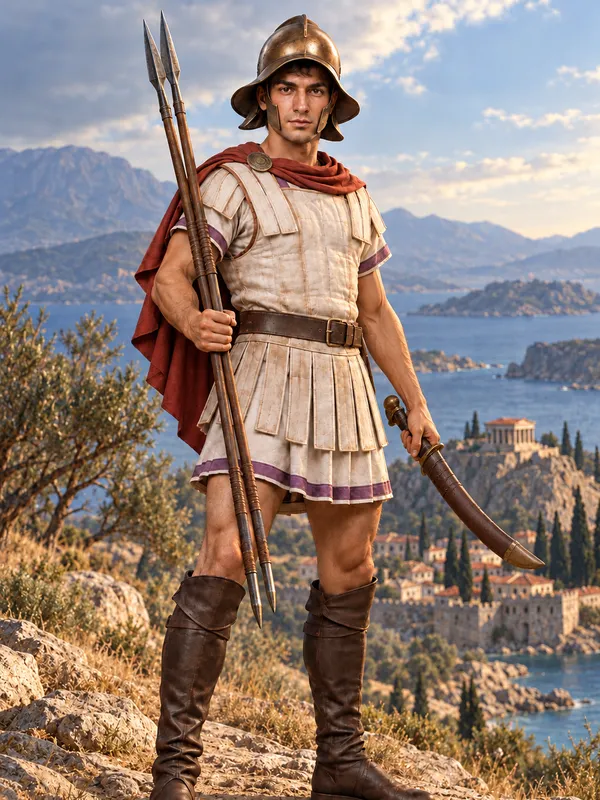
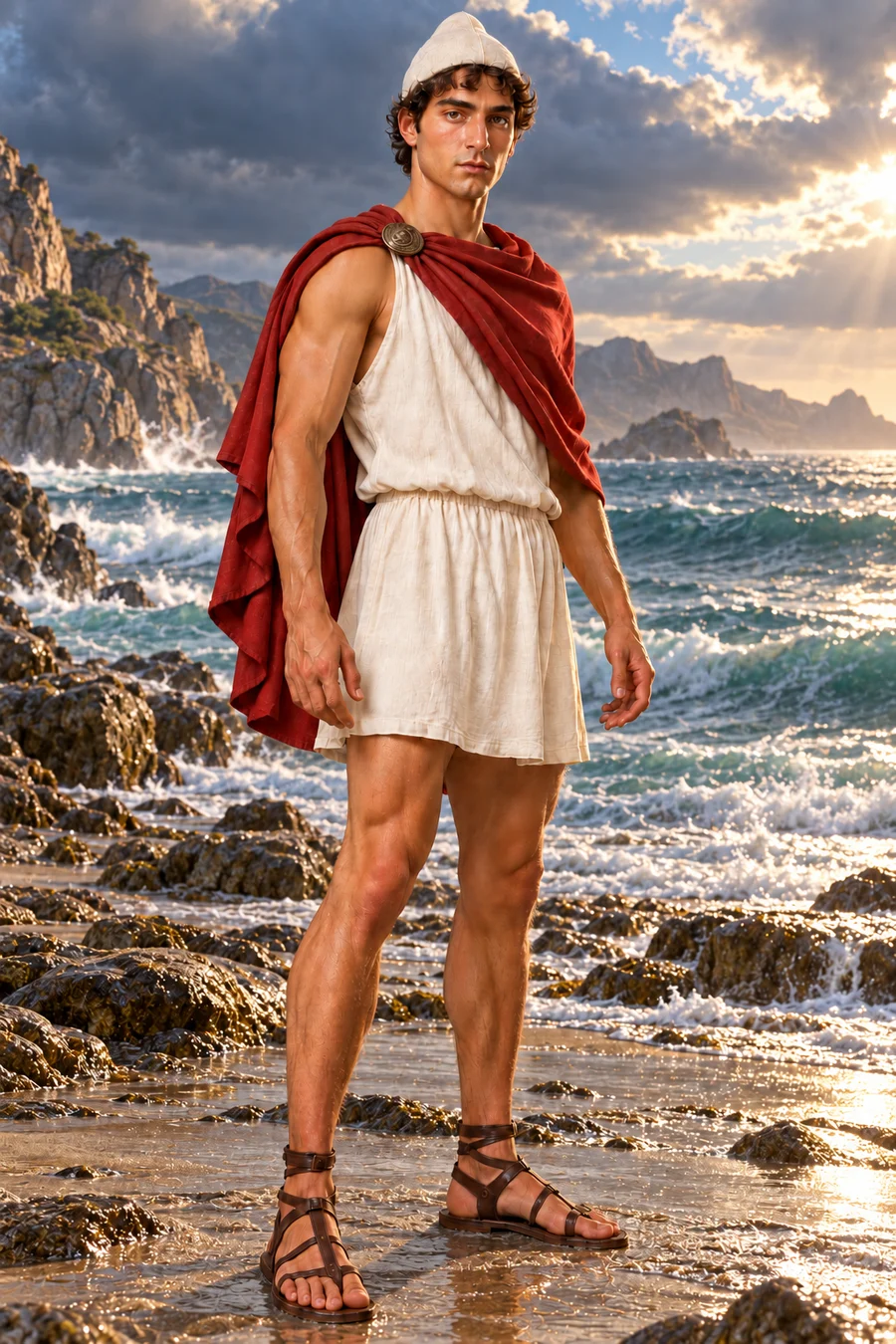
They had caps on their heads. Pausanias 4.27.2 They wore white tunics and scarlet cloaks. Pausanias 4.27.2
Powers
The sea fails to move the statues even when it washes over the rock in winter. Pausanias 3.26.3 They are believed to predict a prosperous voyage when appearing in pairs. Pliny, Nat. Hist. 2.37 ¶1 They are thought to drive away the terrifying meteor named Helena. Pliny, Nat. Hist. 2.37 ¶1
In the myths
The Dioscuri participated in a military campaign against the city of Aphidna, captured it while Theseus was away in Thesprotia, and sacked the place. Pausanias 1.41.3 +3 The Dioscuri captured and destroyed Athens after failing to find Theseus. Pausanias 1.41.4 +1 The Dioscuri abducted Hilaira and Phoebe from their father Leucippus in Messene to marry them. Apollodorus 3.10.3 +1 Pollux killed Lynceus by throwing a spear during a conflict over cattle. Apollodorus 3.11.2 +1 They joined the crew of the ship Argo to retrieve the Golden Fleece. Apollodorus 1.9.16 They assembled with other heroes to hunt the boar sent by Artemis. Apollodorus 1.8.2 Theseus killed Timalcus during a campaign fought alongside the Dioscuri. Pausanias 1.41.3 Alcman's poem states the Dioscuri took the mother of Theseus into captivity. Pausanias 1.41.4 Theseus detained Helen until he left to pursue a marriage with Peirithous. Pausanias 1.41.5 The Dioscuri helped Peleus and Jason destroy the city of Iolcus. Apollodorus 3.13.7
Worship
An altar dedicated to the Dioscuri stood near a square market area. Pausanias 3.13.6 The Messenians performed sacrifices to the Dioscuri during the ritual preparations. Pausanias 4.27.6 Some people claim altars in Charadra's market-place belong to the Dioscuri. Pausanias 10.33.6 Some Amphissians claim the Boy Kings honored in their mysteries are the Dioscuri. Pausanias 10.38.7 The grove contains an altar made of unshaped stones. Pausanias 7.22.5 The Egyptian people deny having any knowledge of the names of the Dioscuri. Herodotus 2.43.2
Fate
Zeus struck Idas with a thunderbolt. Apollodorus 3.11.2 Zeus carried Pollux up to heaven. Apollodorus 3.11.2 Zeus allowed them to alternate days among gods and mortals. Apollodorus 3.11.2 The nation of the Heniochi is generally understood to have descended from their charioteers. Pliny, Nat. Hist. 6.5 ¶1