PALAMEDES (mythical son of Nauplius)
Figure of myth · mythical son of Nauplius
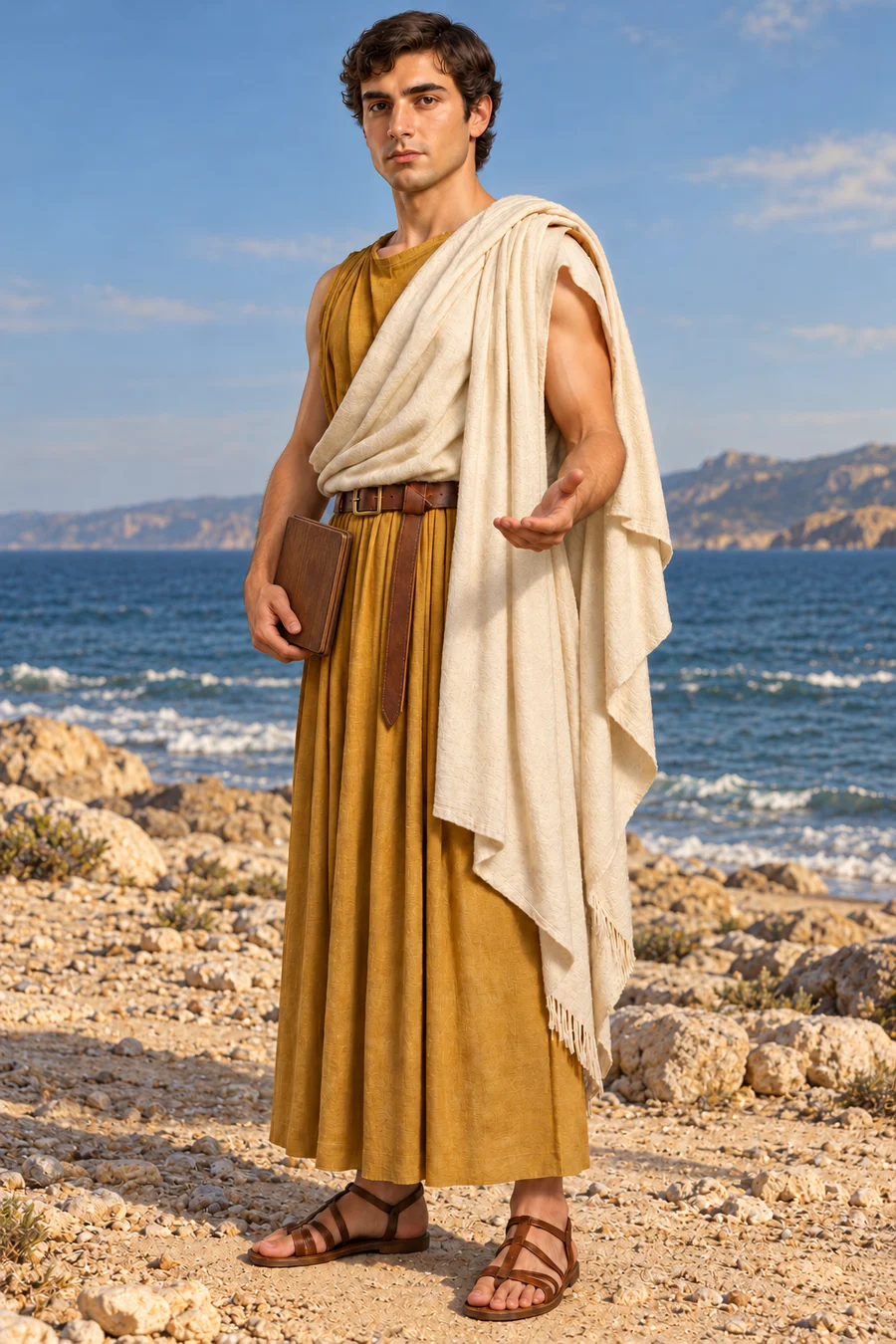
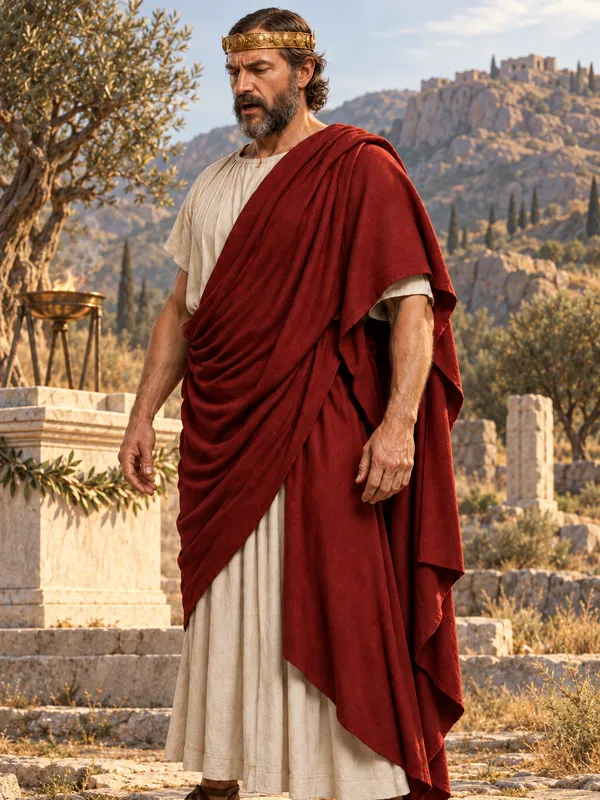
Palamedes, son of Nauplius and grandson of Poseidon, was a figure of profound wisdom and intelligence among the Greeks.1,2,3 Beardless and known as a soothsayer, he displayed a mind sharp enough to invent the game of dice and arts for managing the effects of wine.4,5,6,7,8 Some accounts name Belus as his father, and he was often called Belus' glorious son.9
Palamedes opposed the war through his counsel, a stance that marked him as an enemy of Odysseus in the eyes of some.9,10 When Odysseus feigned madness to avoid the war, Palamedes followed him and exposed the deception by suggesting that Odysseus's son, Telemachus, be seized.11,12,13 His intellect extended to the organization of the army, where he introduced watchwords, military signals, and the use of sentinels, while also establishing measures and weights.14,15 He instructed the officers that soldiers had three meals: breakfast, dinner, and supper, and appointed different officers to oversee them.16 Palamedes is credited with adding four specific letters to the Greek alphabet during the Trojan war, though Aristotle claims Epicharmus introduced the letters theta and chi.17,18 He also invented the practice of employing jesters and dedicated the invented dice in a temple of Fortune.19,7
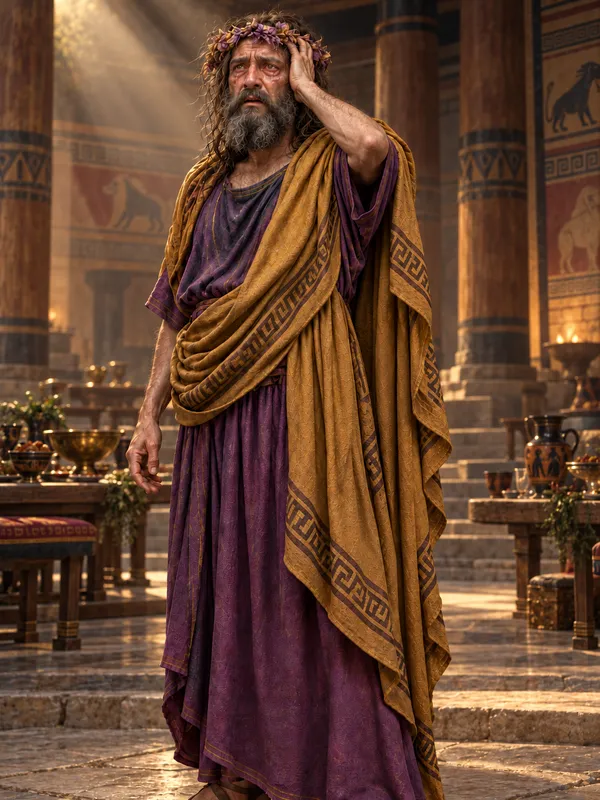
Odysseus plotted the destruction of Palamedes and orchestrated the plot that led to his death.9,20,1 Odysseus forced a prisoner to write a fake treason letter addressed to Palamedes and planted gold in the ground to prove the false charge.21,12 Agamemnon found the gold and the letter in Palamedes's camp, leading to a trial where Palamedes was unable to defend himself against the serious accusations.21,22 The accusers claimed to have witnessed the crime directly, and the charge was established by a bribe, resulting in a condemnation based on false witness and conspiracy.22,9 Agamemnon handed Palamedes over to the allies to be executed, and he was murdered by Diomedes and Odysseus.21,10,23 Other accounts name King Agamemnon as one of his murderers, and his death was considered unjust by many.24,9,21
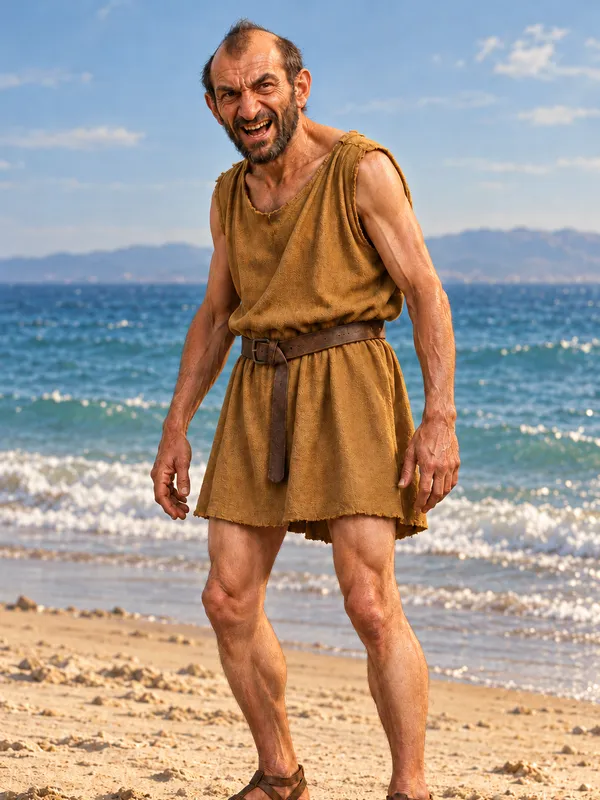
Before his end, Palamedes refused to flee with his companions and ordered them to remain, yet they stripped his clothing, beat his body with stripes, and abandoned him on a foreign shore.25 He died by drowning while fishing, a story the author considers a modern fiction.10,23,3 Nauplius traveled to the Greeks to demand justice for his son's murder, while Sinon vowed to avenge him if he returned to Greece as a conqueror.1,9 His brother Oeax sought to avenge the blood of Palamedes by driving Orestes from the land.26 The Greeks later expressed great lament for having killed Palamedes, recognizing his guiltless status despite the manifest crime for which he was charged.9,22 In the underworld, Socrates is generally found conversing with Nestor and Palamedes, a testament to his enduring presence in Greek thought.27
The codex facts behind this entry
Palamedes is the son of Nauplius, who is the son of Poseidon. Apollodorus, Epitome 6.8 +2
In the myths
Odysseus planted gold in the ground to prove his false charge against Palamedes. Apollodorus, Epitome 3.8 +2 Palamedes is credited with inventing the game of dice. Pausanias 10.31.1 +1 Diomedes and Odysseus were the murderers of Palamedes. Pausanias 10.31.2 +1 Palamedes suggested seizing Telemachus to expose Odysseus's feigned madness. Apollodorus, Epitome 3.7 +1 Odysseus plotted the destruction of Palamedes. Aeneid 2.77 +1 Palamedes previously discovered the madness of Odysseus. Apollodorus, Epitome 3.7 +1
Fate
It is claimed that Palamedes was unjustly put to death. Aeneid 2.77 +4 Palamedes died by drowning while fishing. Pausanias 10.31.2 +1