MEGARA (wife of Heracles)
Figure of myth · mythical wife of Heracles and daughter of Creon
- Parents
- Creon
- Consorts
- Heracles, Iolaos
- Children
- Leipephilene, Deicoon, Therimachus, Anicetus, Democoon, Creontiades, Aristodemus, Chersibius, Deion, Medebrontes
- In the sources
- 46 ancient passages
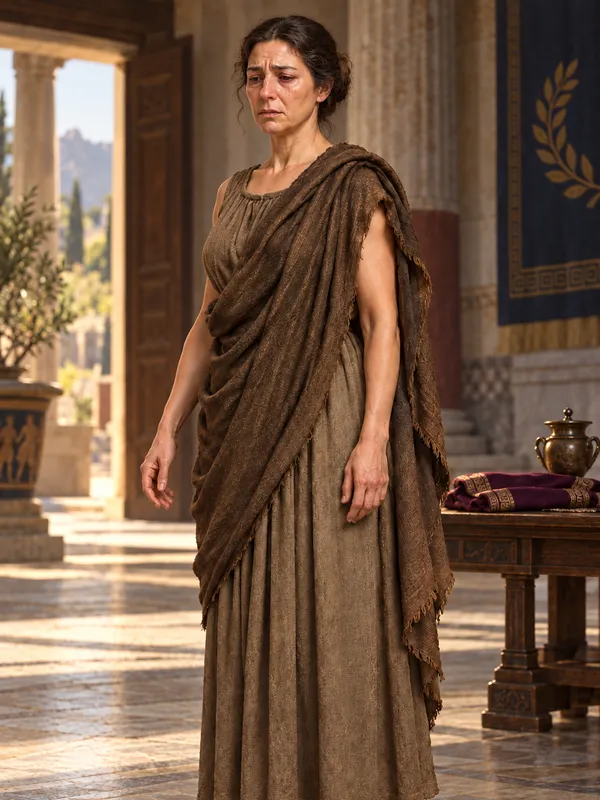
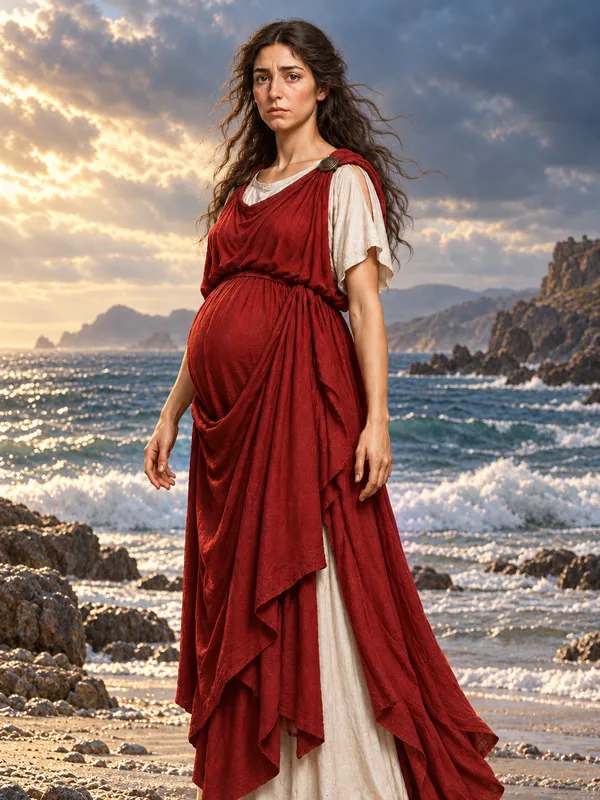
Megara, daughter of King Creon of Thebes, was a woman of flowing hair who was described as sad.1,2,3,4,5 She stood as the wife of Heracles and the mother of his children, a role that defined her standing in the world of heroes.1,2,6,7,8,9 She is consistently named as the daughter of Creon, the king of Thebes.1,2,3,4 Her early life was marked by a grand wedding ceremony where the entire race of Cadmus escorted her with the glad music of lutes.1,2,10
Heracles received Megara as a prize of valor and led her into marriage, a union that produced several sons, including Therimachus, Creontiades, and Deicoon.1,2,3,11 Some sources state she bore three sons, while others recount that she gave birth to eight mail-clad men, all of whom perished.1,3,12,9 The stability of their home was shattered when Lycus, a usurper of power in Thebes, sought to legitimize his rule by forcing Megara to marry him.13,14,7 Lycus threatened to destroy Heracles' house and burn Megara and her children on a funeral pyre if she rejected his proposal, fearing the children would grow up to avenge their father's family.15,7,16,13
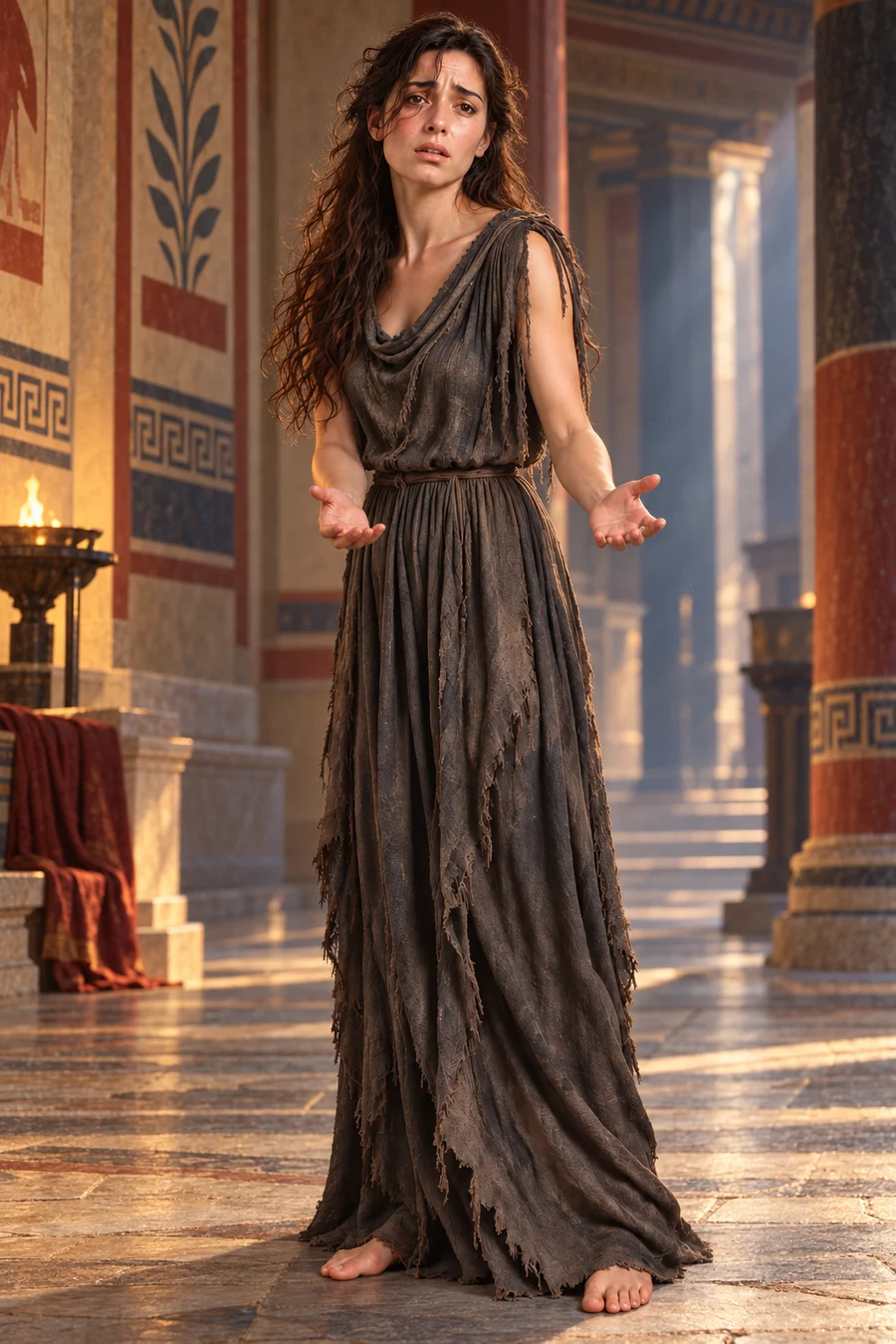
Megara refused Lycus's suit, declaring her faithfulness to Heracles until death and offering her own death as a gift instead of marriage.17,18 Barred from her house and lacking food, drink, and clothes, she was deserted by her friends and left to guard her children in despair.10,19,4 She advised her father-in-law Amphitryon not to fight the tyrant to avoid their own destruction, urging her family to accept death rather than be burned alive.20
In one account, Lycus intended to kill them, while in another, Heracles himself threw the children into a fire during his fit of madness.10,21,7,8,22,23 Megara expressed grief over the impending deaths of her children and herself, imploring the gods to save her life.7,24 She sought to soothe her children with invented tales and soft words, delaying their questions about their father's whereabouts.4
After the madness subsided, Heracles led Megara and their children into the house, instructing her to stop weeping and gather her courage.25 Megara clung to Heracles' robe, refusing to let go of him.25 Heracles later gave Megara in marriage to Iolaus after completing his labors, though he had avoided having more children with her due to the previous tragedy.26,27 Her fate remained one of profound sorrow, as she was a protective mother who attempted to flee and plead for mercy.28,5
The codex facts behind this entry
Megara is the daughter of King Creon of Thebes. Apollodorus 2.7.8 +3 Megara is the wife of Heracles and the mother of his three sons. Euripides, Heracles 442-654 part 1 +1
In the myths
Heracles killed Megara and her sons during a fit of madness. Seneca, Hercules Furens act 4 ¶7 +2 Lycus proposed marriage to Megara to legitimize his usurped power over Thebes and make her his ally. Seneca, Hercules Furens act 2 ¶6 +2 Heracles gave Megara in marriage to Iolaus after completing his labors. Apollodorus 2.6.1 +1 Lycus fears that Megara's children will grow up to avenge the death of her father and brothers. Euripides, Heracles 138-169 +1 Lycus orders Megara to return after dressing herself and her children so he can bring her out of the palace to be killed. Euripides, Heracles 170-358 part 4 +1 Lycus threatened to destroy Heracles' house and burn Megara and her children on a funeral pyre if she rejected his proposal. Seneca, Hercules Furens act 2 ¶13 +1 Megara refused Lycus's marriage proposal, declaring she would remain faithful to Heracles until death. Seneca, Hercules Furens act 2 ¶10 +1
Fate
Megara is destined to be killed by Lycus along with her children and her father-in-law Amphitryon. Euripides, Heracles 1-59 +3 Heracles lost the children he had with Megara, and the eight sons born to her are described as dead. Pausanias 10.29.7 +1