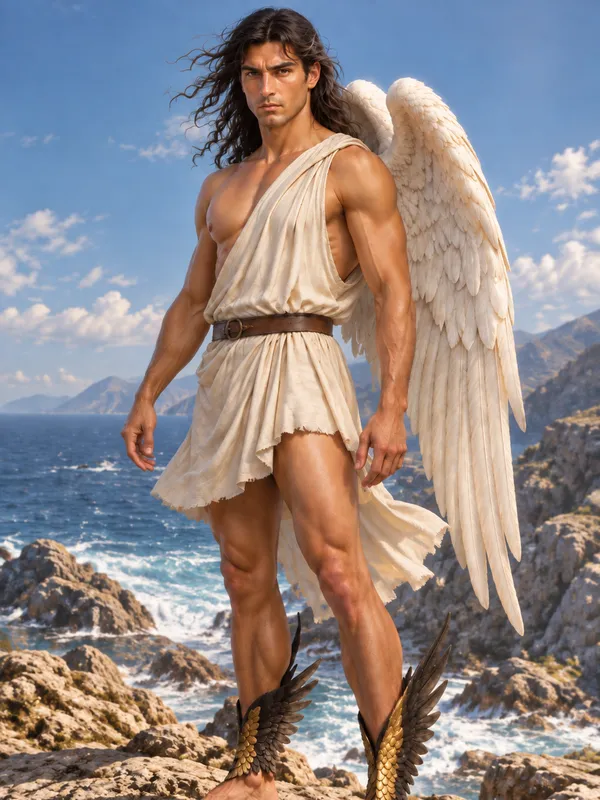
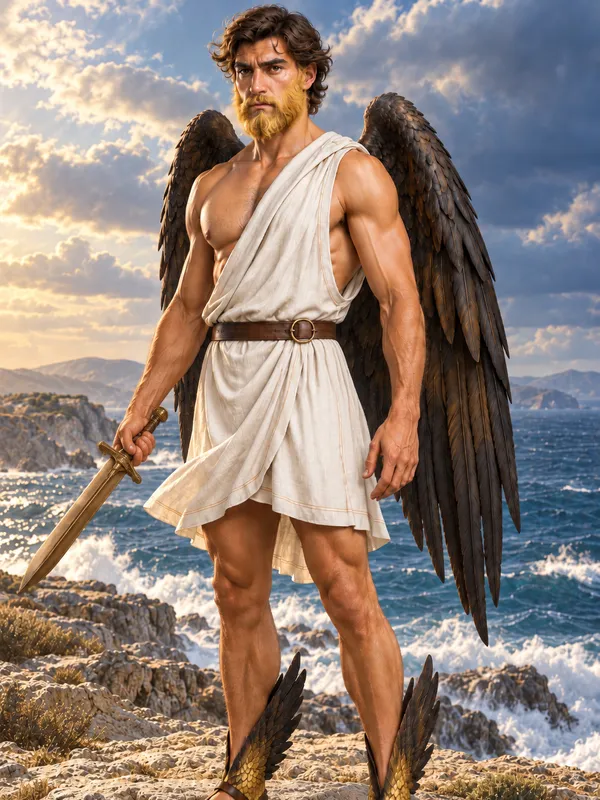
LICHAS (servant of Heracles)
Figure of myth · mythical character, servant of Heracles
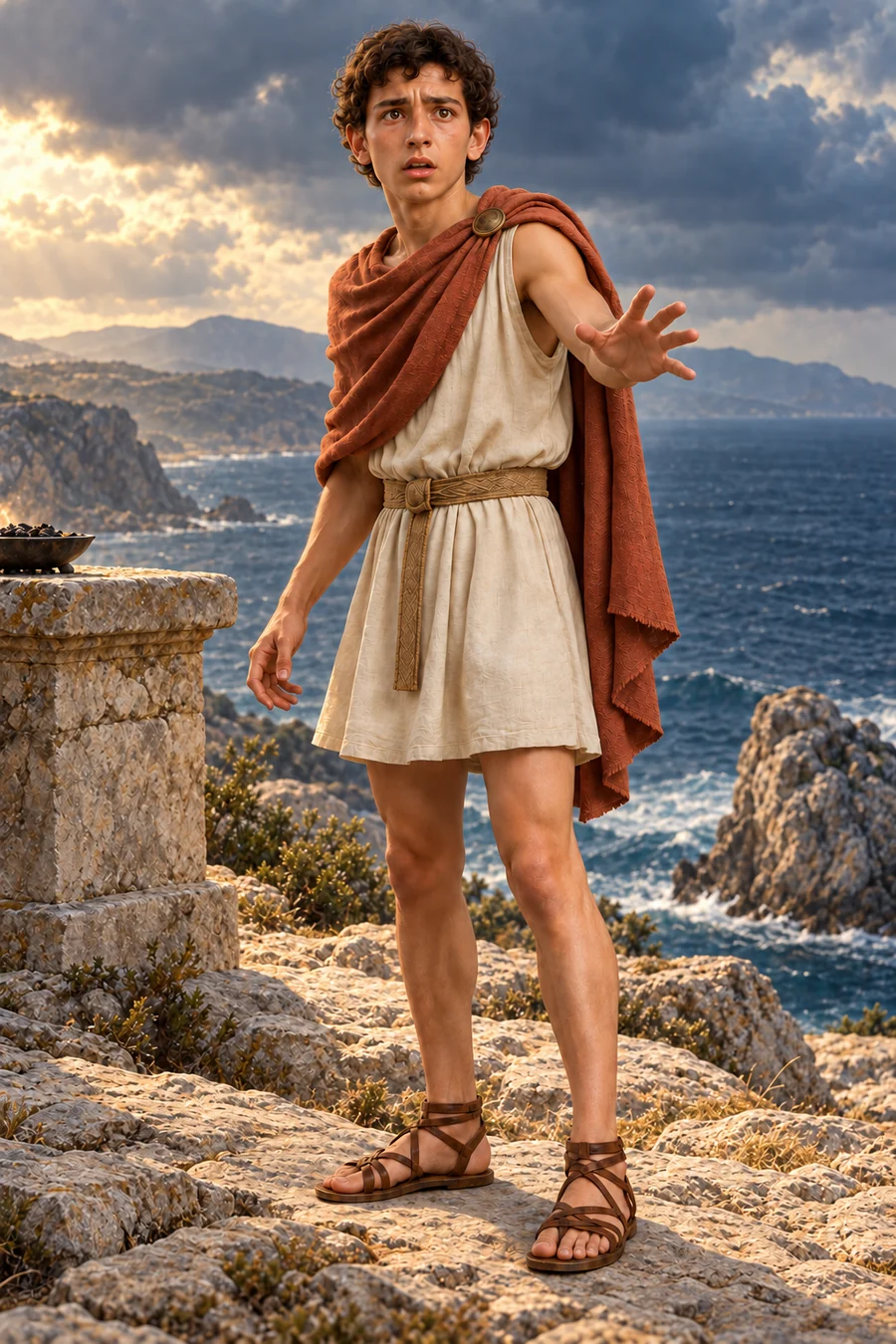
- In the sources
- 38 ancient passages
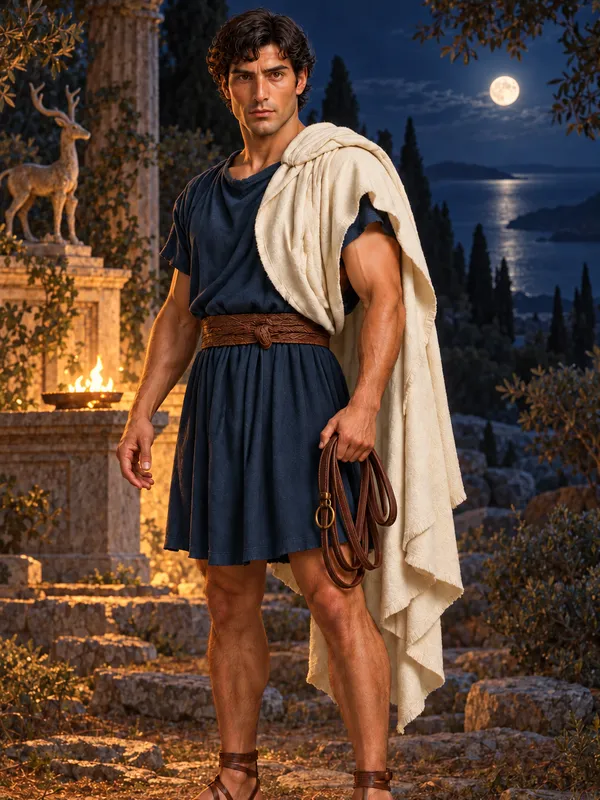
Lichas, a Lacedaemonian man and son of the Spartan horse-breeder Lycinus, served as the herald and attendant to Heracles.1,2,3,4 He practiced Hermes’ art of heraldry with skill, carrying a seal token to prove his commission when he acted as a messenger.5,6 Accounts vary regarding his lineage, as one source names his father as Arcesilaus, who won two Olympic victories.7 He was known as a faithful servant to his lord, speaking respectfully and truthfully to Deianira.8,9,10
During a period of truce, Lichas traveled to Tegea and entered a blacksmith's shop while access to the city was free.11,3 He interpreted the discovery of a large coffin in the smithy as evidence that Orestes' bones were buried there.12,13 In the same place, he interpreted the anvil, hammer, and iron as the counterstroke and woe to man referenced in a prophecy, and compared the smithy's bellows to the winds mentioned in a Delphic oracle.11,13 Through a mix of luck and skill, he discovered the item that the Lacedaemonians had been searching for.14,11
Heracles sent Lichas to Trachis to retrieve fine clothing for a sacrifice, a journey that involved a long delay before his arrival.1,2,15 He arrived at the doors of Deianira's house, escorted a captive woman from Euboea into the house, and asked for her instructions upon entering.16,15 Lichas concealed Heracles' passion for a girl from Deianira to avoid hurting her feelings, admitting later that he had erred by hiding the truth.10 He reported that Heracles was alive, healthy, and free of disease, explaining that his lord was fulfilling a vow made during a military campaign.17 He identified the captives as spoils taken when Heracles sacked Eurytus, while proclaiming news of the victory to the Malian populace who surrounded him in a circle to question him.17,18
Deianira instructed Lichas to deliver a poisoned garment to Heracles, a task he accepted without knowing its deadly nature.19,9,20 He was instructed to ensure the robe remained hidden from sunlight and fire, and to present it during a bull sacrifice.6 Lichas promised to deliver the chest to its recipient without damaging it, and he agreed to report that everything was well in Deianira's household.5 He completed his assigned task without speaking to the captive woman and then exited the house followed by the group of captives.21,22
Unknowingly, Lichas returned the shirt that had been anointed with a toxic charm to Heracles.2 Suffering from the poisoned shirt, Heracles killed Lichas by lifting him by the feet and hurling him down.1,2 Other accounts state that Heracles threw him onto a rock in the sea, or seized him, whirled him around several times, and hurled him into the Euboean waves with great force.23,24,20 Sailors call the resulting rock Lichas.20
The codex facts behind this entry
Lichas served as the herald and attendant to Heracles. Apollodorus 2.7.7 +3 Lichas is described as a faithful servant to his lord, Heracles. Seneca, Hercules Oetaeus act 1 ¶5 +1
In the myths
Lichas was instructed by Deianira to deliver a poisoned garment to Heracles. Ovid Met. 9.101-272 (4) +2 Heracles threw him onto a rock in the sea. Athenaeus 2.72 +2 Lichas interpreted the discovery of a large coffin in a smithy as evidence that Orestes' bones were buried there. Herodotus 1.68.3 +1 Lichas traveled to Tegea during a period of truce and entered a blacksmith's shop while access to the city was free. Herodotus 1.68.1 +1 Lichas interpreted the anvil, hammer, and iron as the counterstroke and woe to man referenced in the prophecy. Herodotus 1.68.1 +1 Lichas delivered a fatal gift to Heracles without knowing its deadly nature. Ovid Met. 9.101-272 (4) +1 Lichas completed his assigned task without speaking to the captive woman and then exited the house followed by the group of captives. Seneca, Hercules Oetaeus act 2 ¶16 +1
Fate
Heracles, suffering from the poisoned shirt, killed Lichas by lifting him by the feet and hurling him down. Apollodorus 2.7.7 +1