LINUS (son of Apollo and Urania)
Figure of myth · son of Apollo and Urania
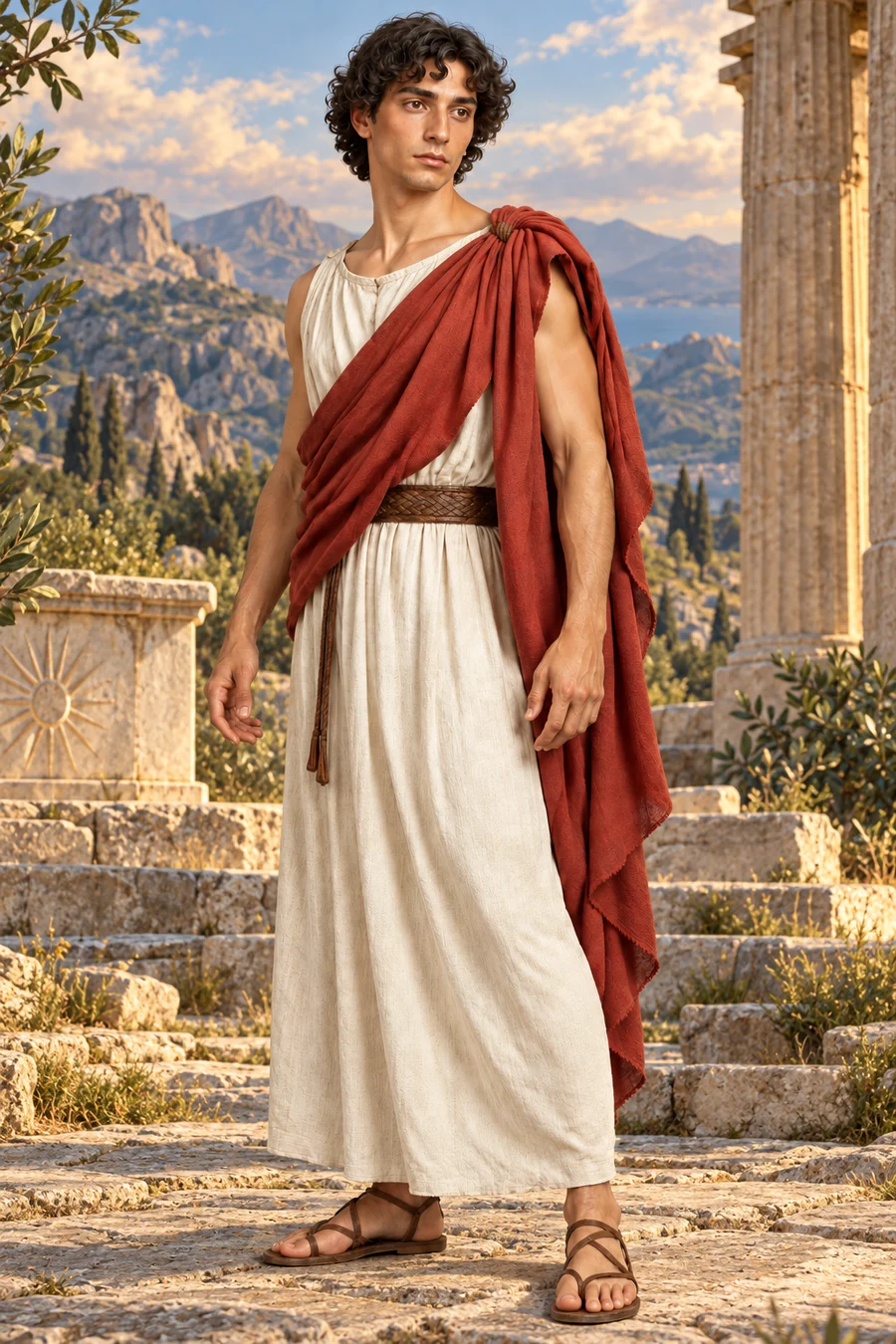
Linus, a very lovely son, held a musical reputation that surpassed all his contemporaries and predecessors.1,2 In other traditions, he is identified as one of fifty brothers born to Lycaon, or as the brother of Orpheus, and even as the father of Pierus.3,4,5 He was admired for his poetry and singing, and his musical skill was so profound that some credit him with inventing the lyre and being the first to accompany it with the voice.6,7
Beyond music, Linus made significant contributions to literature and language, being the first to transfer Phoenician letters into the Greek tongue and to name each character and fix its shape.6 He composed an account of the first Dionysus's deeds in Pelasgic letters and left his memoirs among his writings, while also being the first Greek to discover different rhythms and song.6 Supposedly, he wrote verses describing Styx as the daughter of Ocean and wife of Pallas, though hexameter poetry was not written by the later Linus.8,9 He gained many pupils, including Heracles, Thamyras, and Orpheus, teaching the hero how to play the lyre.6,4,10
His relationship with Heracles turned tragic when Linus punished the hero with rods for his sluggishness in learning.6 In a fit of rage, Heracles struck Linus with a lyre and killed him, an act for which he was later acquitted by citing a law of Rhadamanthys.11,4 Other accounts disagree on the cause of his death, with some stating he was killed by Zeus's thunderbolts, while others claim Apollo killed him because he was a rival in singing.3,2 One version holds that Linus was destined to die in the water early in his life, and the Fates prevented him from escaping the river to flee.12
Linus came to Thebes, became a citizen there, and the Thebans claim he was buried among them, though his grave and its marks eventually vanished over time.4,13,9 His death in youth caused widespread mourning across the foreign world, leading musicians, singers, and harpers to bewail him when beginning and ending their performances.14,15,1 This lament, known as the Linus song, is not restricted to mourning occasions but is also used during times of good fortune, feasts, and dances.16,1 Homer stated that a boy harpist sang a song about Linus's sufferings, and Sappho of Lesbos sang of him together with Adonis after learning his name from Pamphos.15,13
The Egyptians refer to the figure known as Linus by the name Maneros, and a song about him existed there under that name.17,15 Pamphos named him Oetolinus, meaning Linus doomed, during the peak of mourning for him.13 After the defeat at Chaeroneia, Philip of Amyntas moved his bones to Macedonia following a dream vision, but they were eventually sent back to Thebes.13,9 Though some describe him as an infant whose body was prepared for cremation, he is remembered as a very lovely son.18,1
The codex facts behind this entry
In the myths
Linus taught Heracles how to play the lyre. Apollodorus 2.4.9 +2
Fate
Linus was killed by Heracles, who struck him with a lyre. Apollodorus 1.3.2 +2 Linus died in his youth, causing widespread mourning across the foreign world. Euripides, Heracles 170-358 part 4 +1