EURYLOCHUS (member of Odysseus' crew)
Figure of myth · member of Odysseus' crew
- Consorts
- Ctimene
- In the sources
- 20 ancient passages
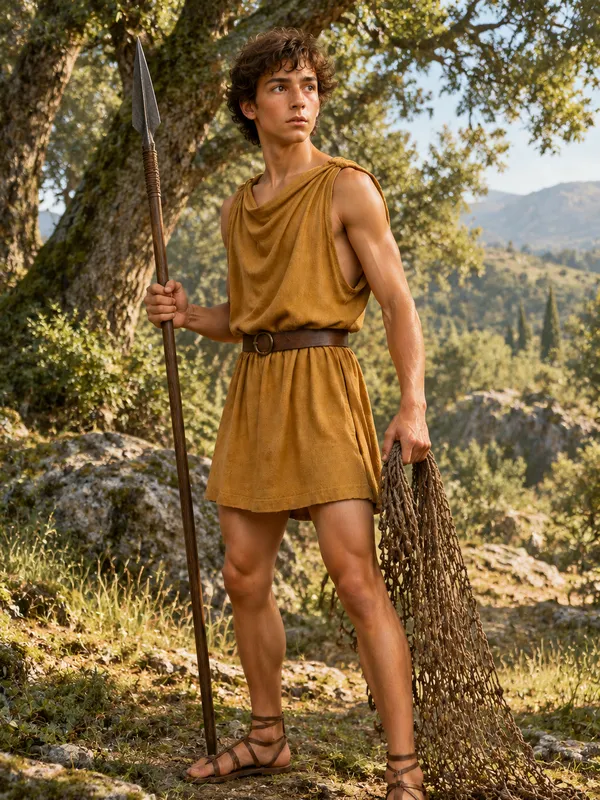
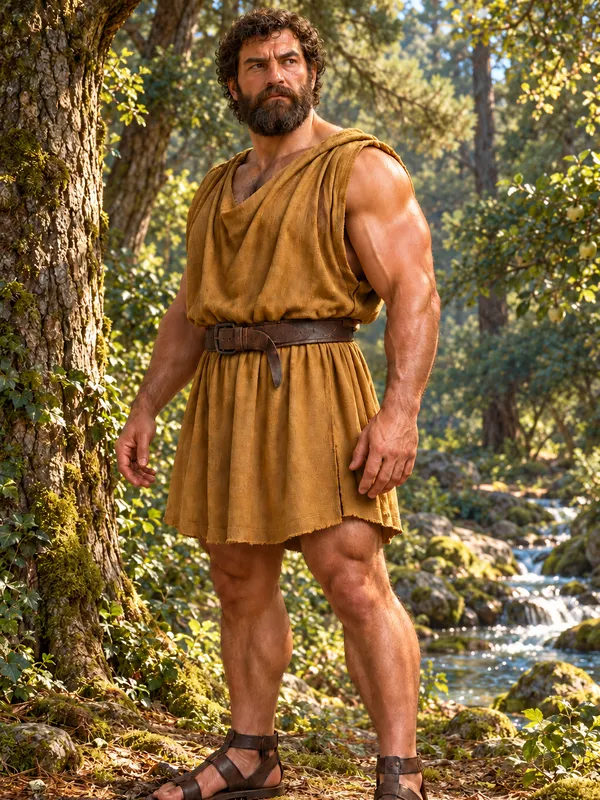
Eurylochus, a companion of Odysseus, carried black rams intended for sacrifice.1 He was part of a group of forty men who arrived from Zacynthos, a crew member who sometimes pleaded piteously to stay behind and at other times gave Odysseus an insolent answer.2,3,4
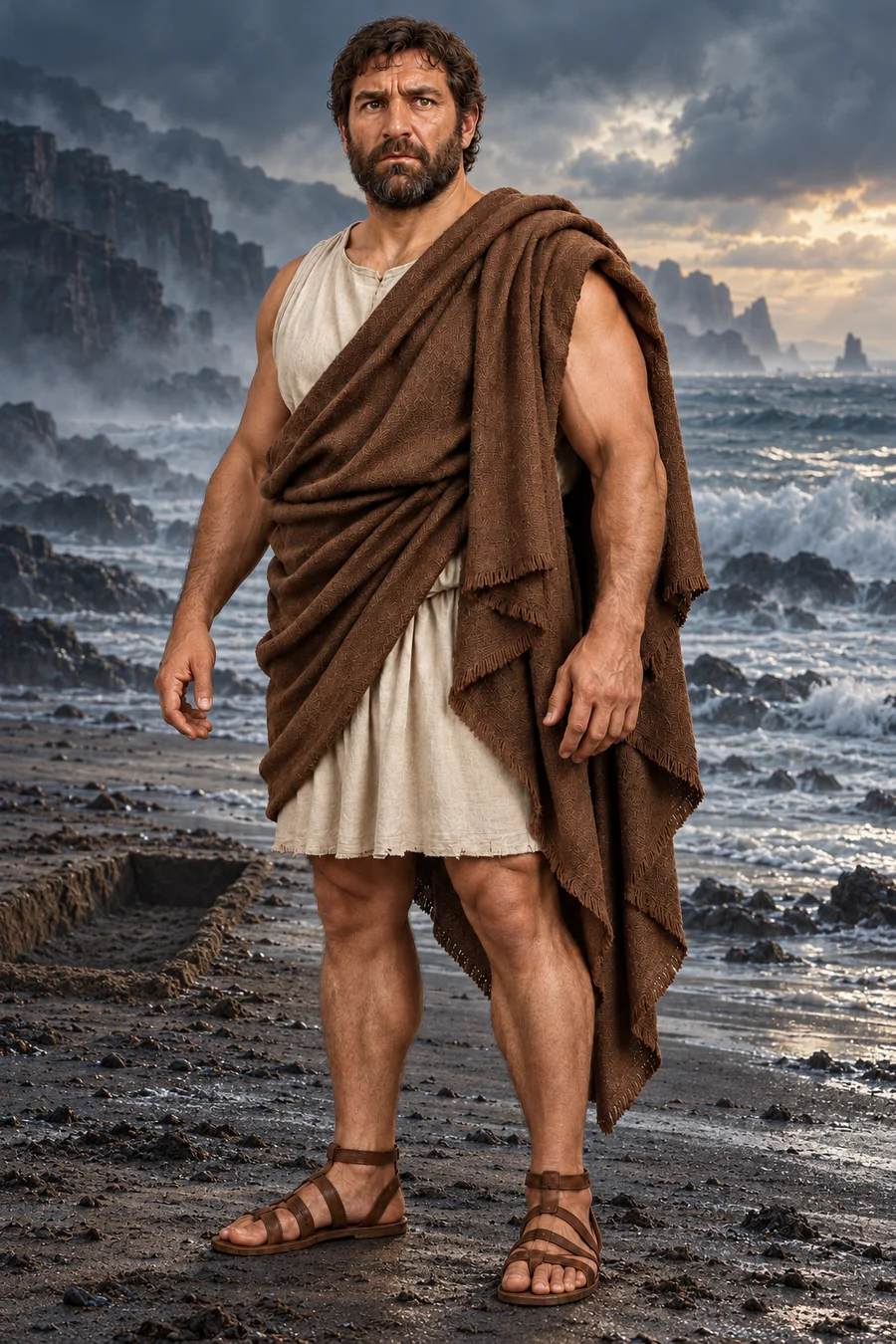
Eurylochus was selected by lot to visit Circe's dwelling with other crew members.5,6,7 Hermes gave him the white flower Moly with a black root to protect him.8 Suspecting the woman's intentions, he refused to enter her house and remained outside while the other crew members followed the woman inside.9,10 He warned the group that she would transform them into animals like pigs or wolves, and he blamed Odysseus's folly for the death of their comrades at the Cyclops's cave.11
He entered Circe's dwelling protected by the flower and divine instruction.8 He arrived at the threshold of Circe's abode with his companions, and he was led through marble halls by female servants to meet the mistress.6 There, he repelled Circe's wand and prevented her magic with his drawn sword, avoiding being transformed into an animal by the enchantress.8,9 He avoided drinking the potion that turned others into pigs and exchanged right hands with Circe to seal a promise.8 In this tense negotiation, he demanded the restored bodies of his companions as a marriage gift.8
Rushing back to inform Odysseus about the fate of his companions, he was so distressed by the news that he initially could not speak.12,13 His eyes filled with tears and he sobbed and sighed before speaking, overcome with dismay regarding the fate of his comrades.13 The group forced him to tell them what happened to the others, and he left with twenty-two men who were weeping.13,7 He suggested the remaining crew try to escape to save their lives, physically holding onto Odysseus to prevent him from leaving and pleading to remain behind.3 He argued that Odysseus would not return alive from the journey, believing Odysseus would not survive the ordeal.3
He suggested building a rich temple to the sun-god if they survived the journey, and the men approved of his words.14,15,16 While the crew grilled the inward meats and tasted them after burning the thigh bones, Eurylochus held the sacrificial victims during the ritual.16,17 He gave Odysseus an insolent answer while the crew was in despair, accusing Odysseus of being cruel and too strong to feel exhaustion.4 He argued that the exhausted men should land to cook a supper on the island, warning that night winds could wreck their vessel if they sailed, and Odysseus stated that Eurylochus forced him to yield because the men outnumbered him.4,15 Eurylochus followed the group inland because he feared Odysseus's harsh scolding, and he helped bind Odysseus more tightly to prevent him from hearing the Sirens.18,19 Eurylochus drove a snake out of an island because it was considered defiling, and his consort was Ctimene.20
The codex facts behind this entry
In the myths
Eurylochus spoke to the crew, and the men approved of his words. Odyssey 12 ¶23 +1 Eurylochus was selected by lot to visit Circe's dwelling with other crew members. Apollodorus, Epitome 7.14 +1 Eurylochus suspected the woman's intentions and refused to enter her house. Apollodorus, Epitome 7.15 +1 Eurylochus rushed back to inform Odysseus about the fate of his companions. Apollodorus, Epitome 7.16 +1