CEYX (mortal king of Trachinia)
Figure of myth · mythical king of Trachinia
- Haunts and cult places
- Trachis
- In the sources
- 23 ancient passages
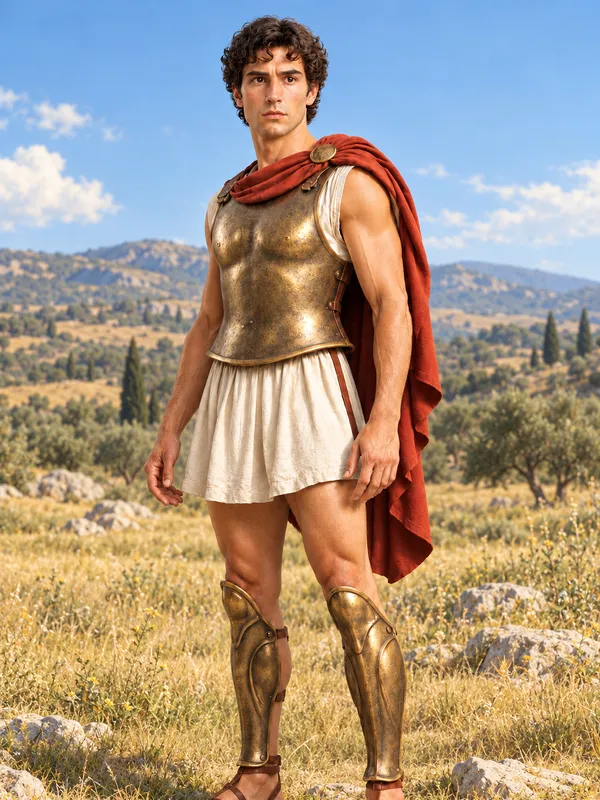
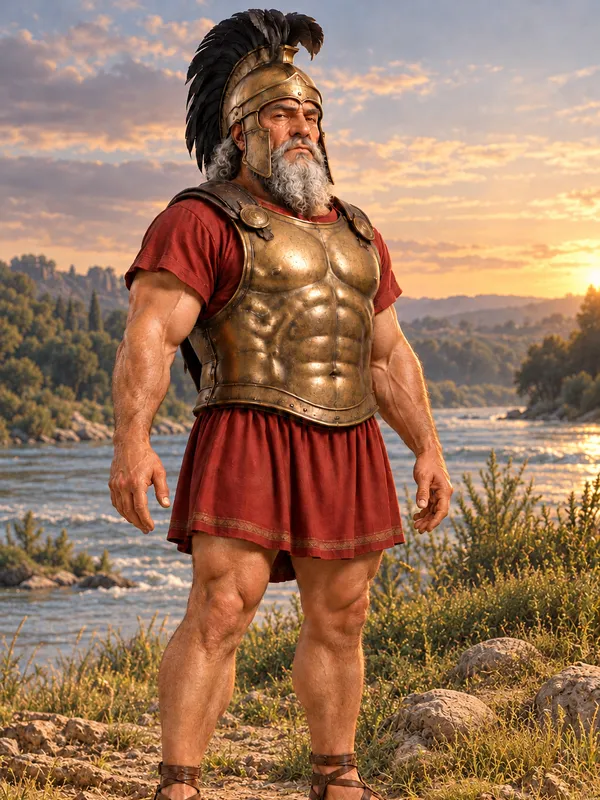
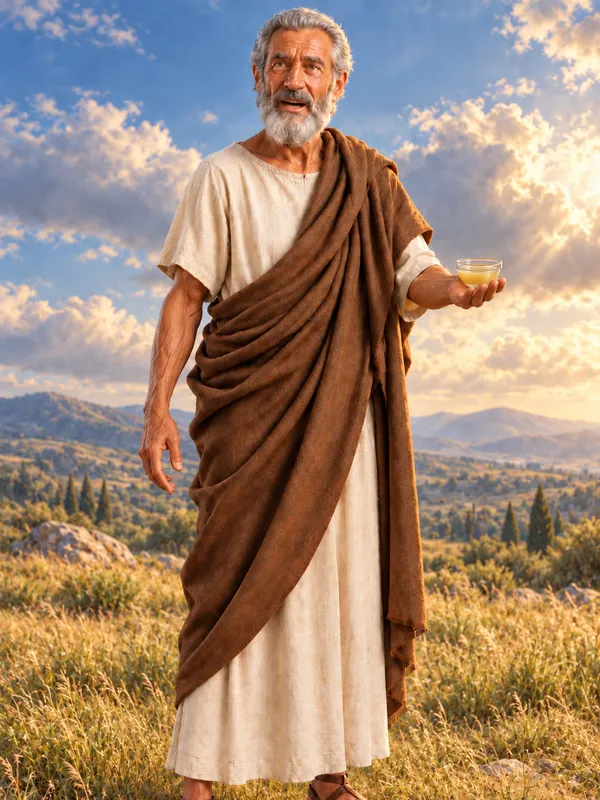
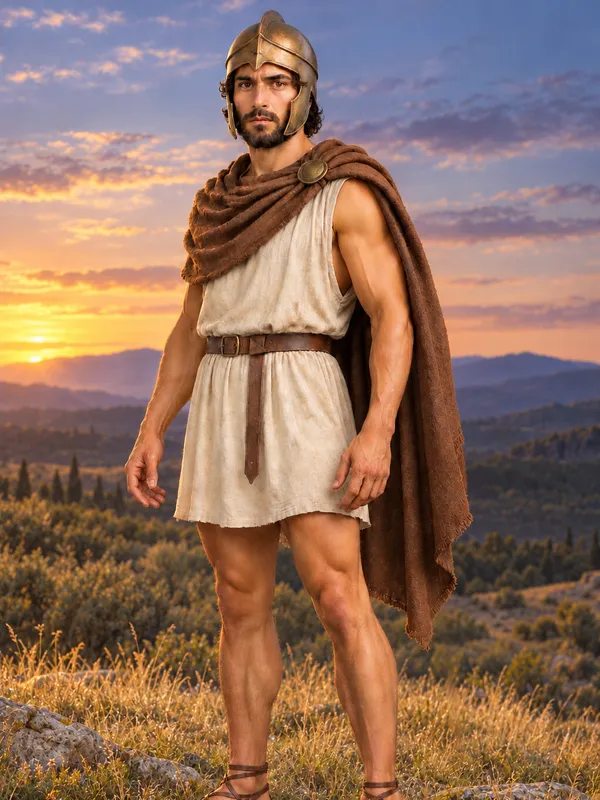
Ceyx, son of Lucifer, ruled the region of Trachis, holding the highest rank in power and honor.1,2,3,4,5 Many gathered to honor him as a friend of the blessed gods, recognizing his bravery in the face of loss.6,7 He possessed a cheerful countenance in life, a trait that vanished in the pale, bloodless, and naked form his ghost took on his final visit.8,9
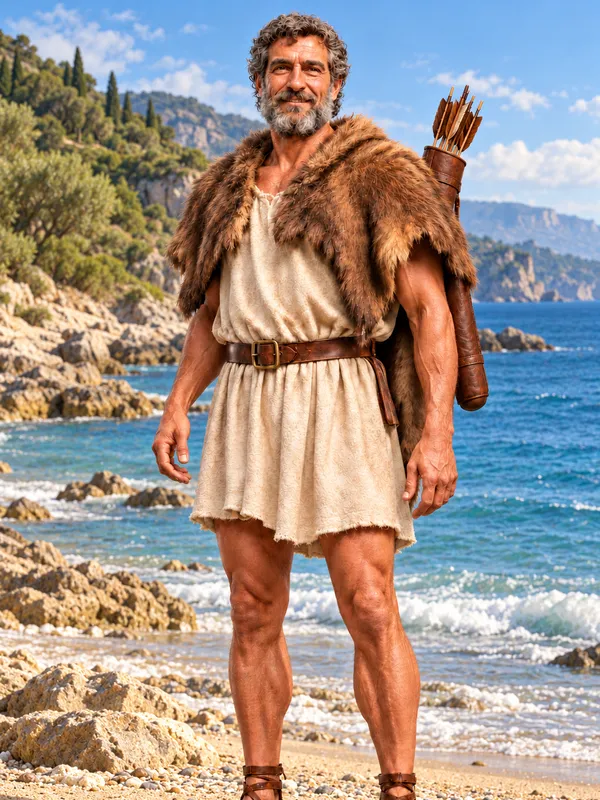
A close friend of Heracles, Ceyx welcomed the hero when he arrived to suffer the penalty of exile.4,2,3 Heracles frequently visited the house of Ceyx, and the king assisted him in conquering the Dryopes.10,3 When Heracles' children sought refuge after fleeing Eurystheus, Ceyx welcomed them, though he claimed he lacked the strength to help them himself.11,4 Instead, he sent the youths to Athens to seek protection from Theseus.4 Ceyx's son, Hippasus, was killed during the attack on Oechalia.3 Beyond his duties to heroes, Ceyx performed burial rites for Cycnus and the inhabitants of Anthe, the Myrmidons' city, Iolcus, Arne, and Helice.6
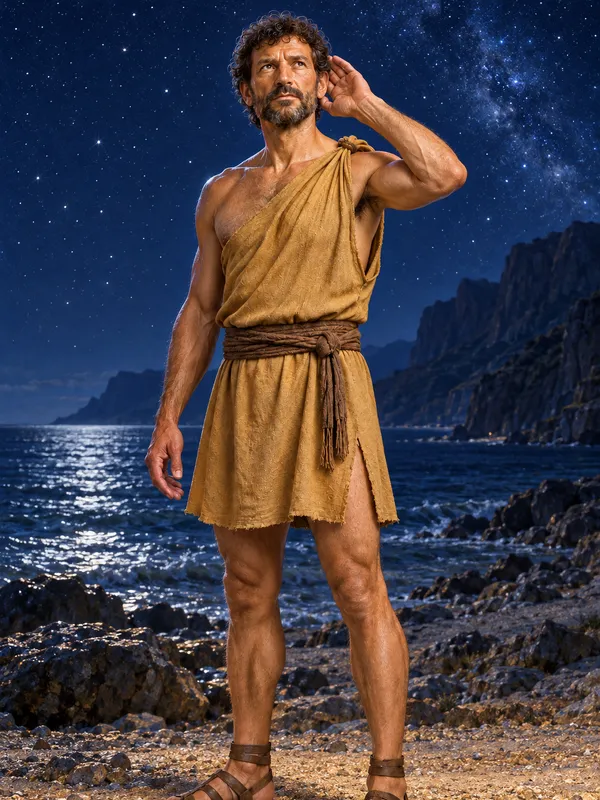
Mentally distressed by the strange fate and wonders that followed his brother, Ceyx planned to visit the oracle at Delphi to seek divine guidance.12 As the ship departed, Ceyx stood on the stern to wave farewell to his wife using hand signals.13 A south wind destroyed his ship, and a large wave broke over him, burying his head beneath the water and preventing him from calling out his wife's name.8,9,14 Clinging to a piece of his broken ship with the hand that usually held his sceptre, he repeatedly spoke his wife's name while swimming in the waves.14 He called out to his father and father-in-law while drowning, praying that the waves would carry his body to his wife's eyes.14 He also asked to be buried by his friends after his death.14
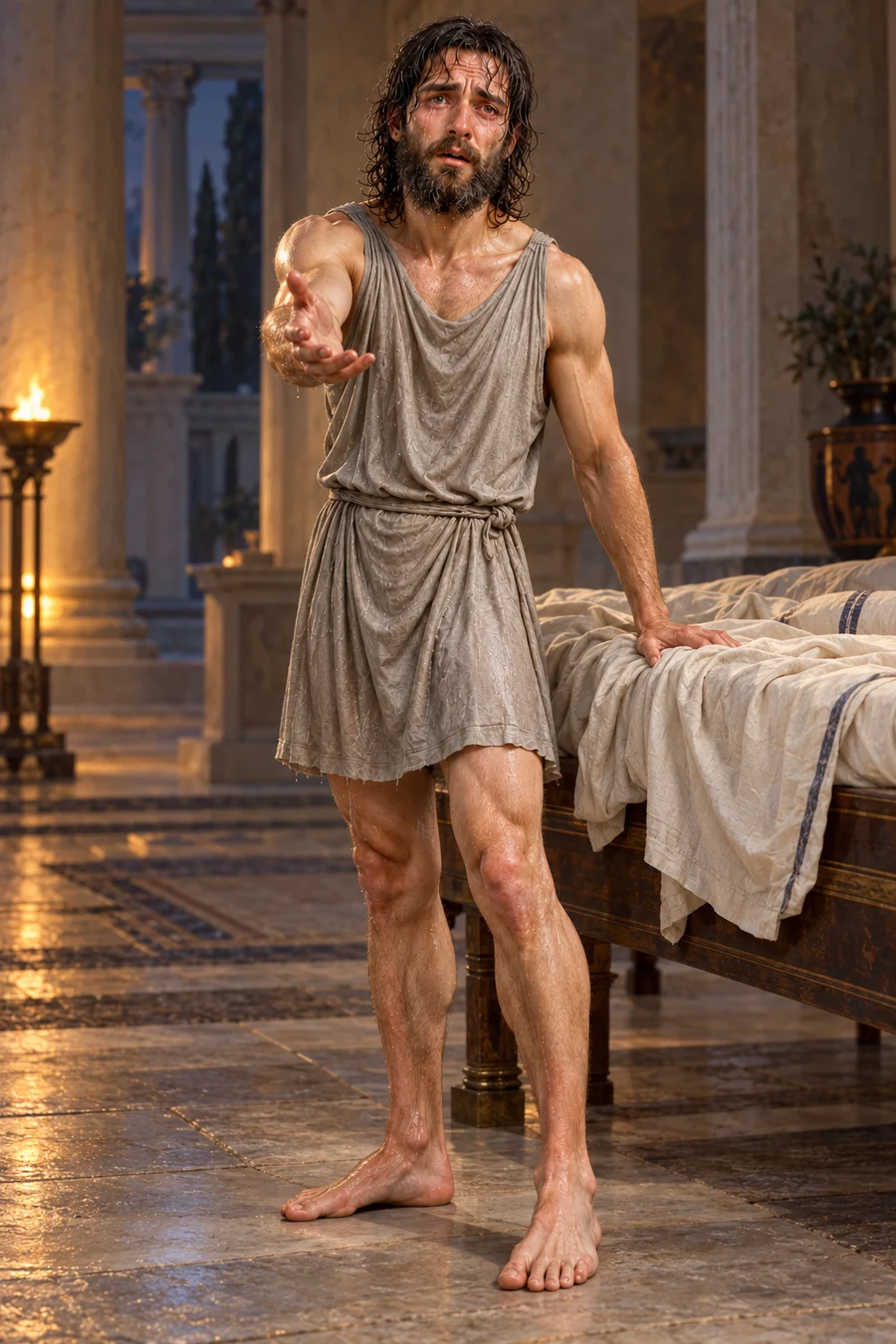
Hera commanded Sleep to appear to Halcyone in the form of the dead Ceyx, and Morpheus assumed his physical appearance to visit his wife.15,8 The ghost appeared pale, bloodless, and naked, with dripping hair and beard, and lacked his usual cheerful countenance.8,9 He personally informed his wife of his death rather than sending a messenger, and urged her to mourn him before he went to Tartarus.8 Morpheus made Ceyx's ghost shed real tears, and the figure was desirous to detain Halcyone as he departed.9 Halcyone tried to detain the ghost by extending her hands, but Ceyx fled when she tried to hold him.9
Ceyx was found as a corpse washed up on the shore by his wife, dead and lifeless on a man-made mole by the sea.16,17 Due to his and Alcyone's pride, Zeus turned Ceyx into a gannet.1,17 Ceyx and his wife shared the same fate of becoming birds, and they became parents after this transformation.17 Halcyon is identified as the mourning partner of Ceyx, associated with the tossing wave where she mourns him.7
The codex facts behind this entry
Ceyx is the king of Trachis. Pausanias 1.32.6 +1
Appearance
Ceyx's ghost appeared pale, bloodless, and naked, with dripping hair and beard, and lacked his usual cheerful countenance. Ovid Met. 11.410-748 (13) +1
Fate
Ceyx died in a shipwreck in the Ægean Sea after a south wind destroyed his ship. Ovid Met. 11.410-748 (13) +2 Zeus turned Ceyx into a gannet due to his and Alcyone's pride. Apollodorus 1.7.4 +1 A large wave broke over Ceyx, burying his head beneath the water and preventing him from calling out his wife's name. Ovid Met. 11.410-748 (13) +1