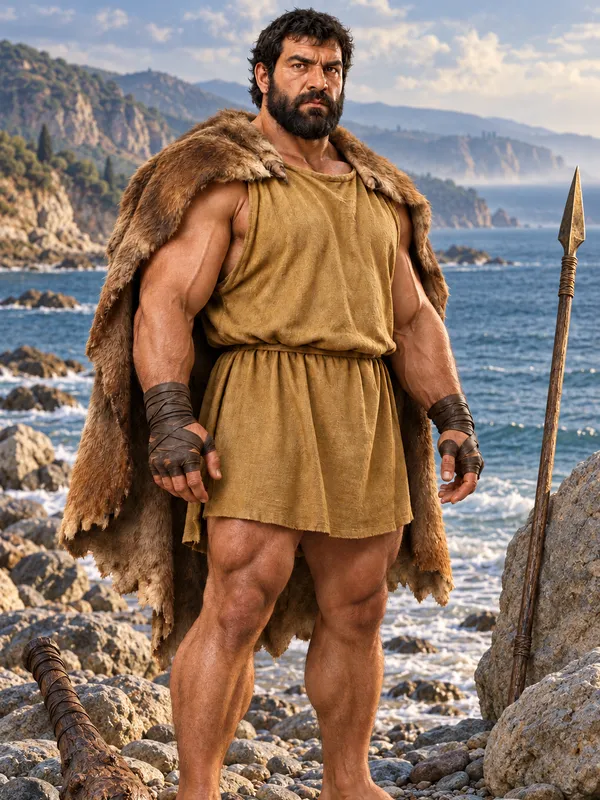
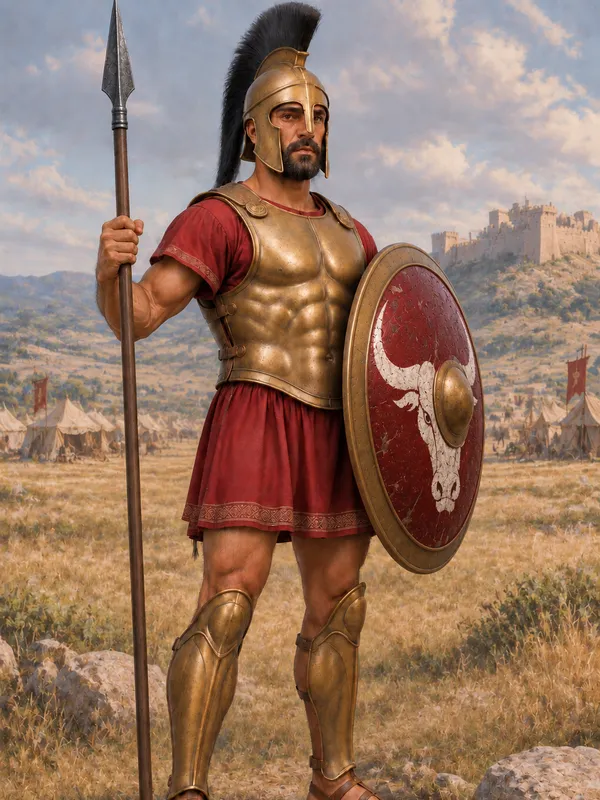
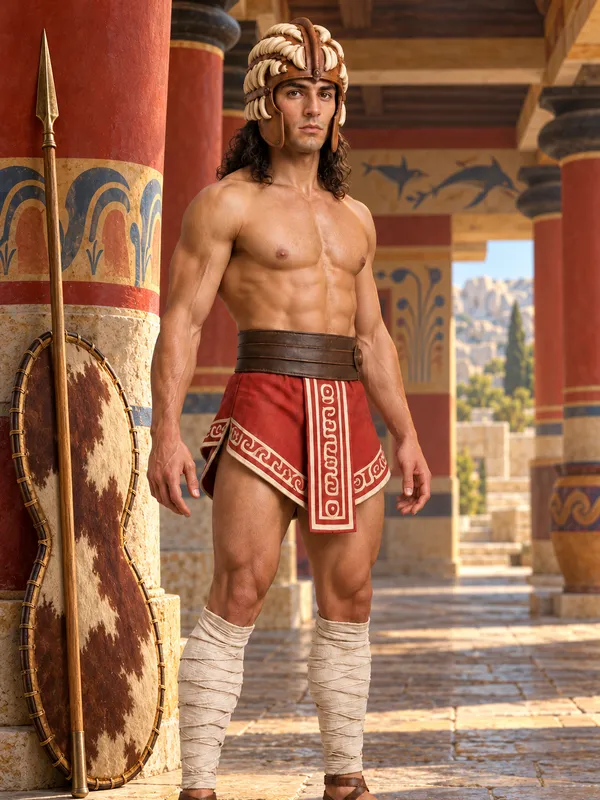
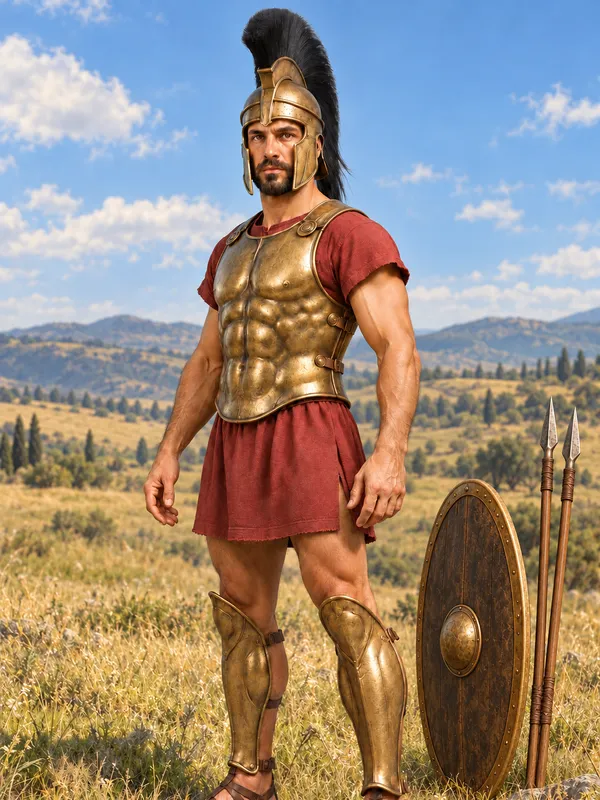
PAEONIAN WARRIOR (soldier of Paeonia)
People and soldiers · ancient region and kingdom in the Balkans
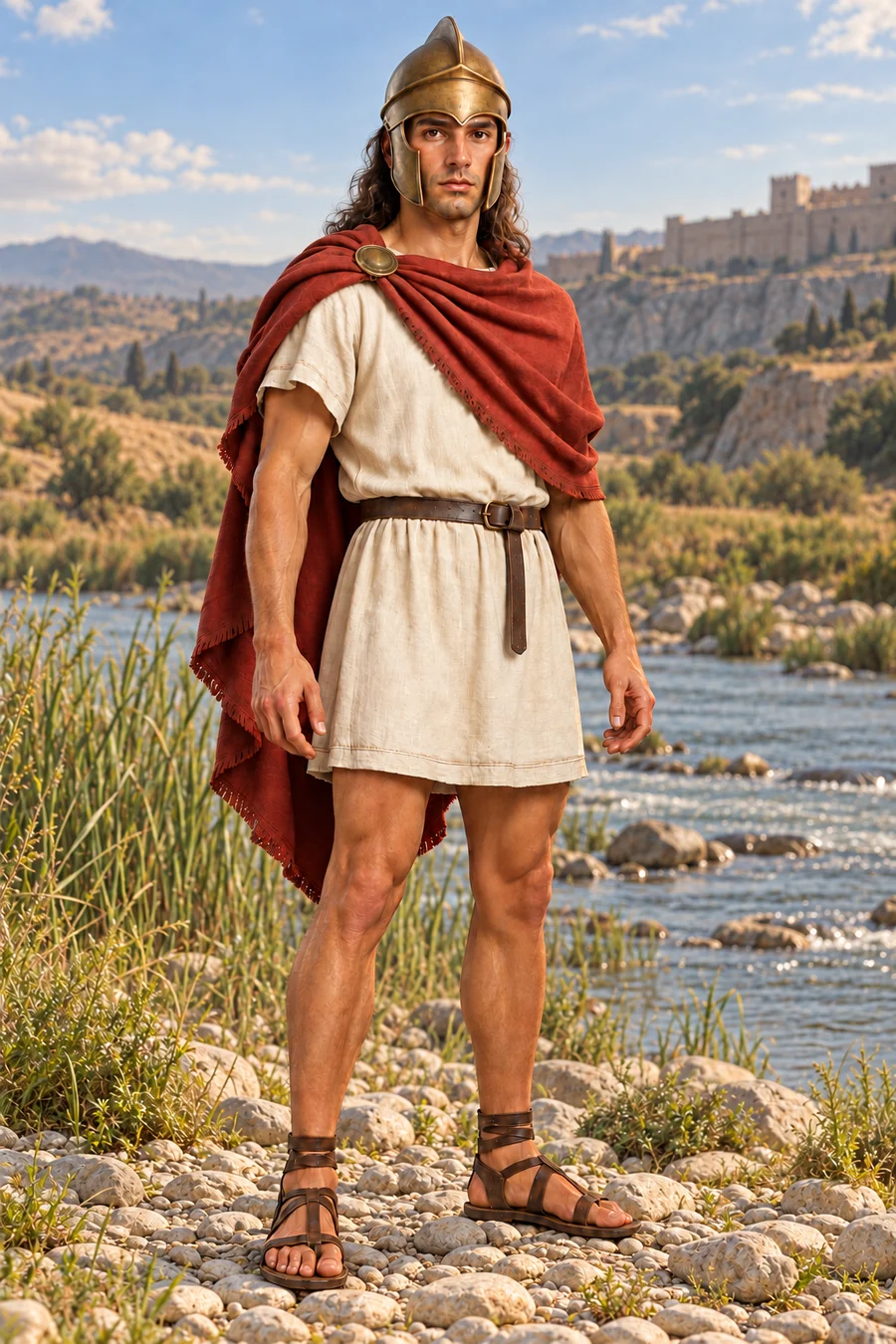
- Known as
- Pelagones
- Haunts and cult places
- Macedonia, Illyria, Autariatae, Pelagonia
- In the sources
- 20 ancient passages
Asteropaeus, a chief from the land of Paeonia, described himself as the captain of the Paeonians and went to Troy.1,2 He was likely the son of Pelagon, a lineage that rooted him in the fertile region located in the middle of the elevated ground between the Adriatic and Euxine Seas.2,3,1 The Paeonians themselves claimed to be colonists from the Teucrians of Troy.4
Their homeland lay to the north of Macedonia, bounded by the mountain Rhodope on the side towards Thrace and by the Paeonian mountains that formed a line parallel to the Danube.5,6,7,8 The Strymon river passed through this territory, with towns situated along its banks not far from the Hellespont.9,10,4 Travel to Macedonia was made difficult by the river Axius, which flowed through the region, while the cities Gortynium and Stobi provided a passage through the area.10,6
The region was rich in resources, with gold and silver mines found in the earth and gold particles reportedly discovered while ploughing the land.9 Paeonia suffered during a previous invasion by the Gauls, and the region was also invaded by forces led by Brennus and Acichorius.11,12 Megabazus led his army to this region after receiving a letter.13
Accounts differ regarding the political nature of the Paeonians; some claimed they were a dependent colony of the Phrygians, while others stated they were an independent settlement.2 The people were said to have been called Pelagones, and the region extended to areas surrounding Dobera, as well as to Pelagonia and Pieria.2,10
Paeonia was bordered by Illyria, the Autariatae, Dardania, and the Dolopes.7,8 The Paeonians traveled by land to reach their homeland.14 As a captain, Asteropaeus represented a people who claimed Troy as their origin and inhabited a fertile region in the elevated ground between the Adriatic and Euxine Seas.1,4,3
The codex facts behind this entry
Asteropaeus describes himself as the captain of the Paeonians. Iliad 21 ¶9 The Paeonians claim to be colonists from the Teucrians of Troy. Herodotus 5.13.2 Some claim the Paeonians were a dependent colony of the Phrygians. Strabo 7.fragments.38
In the myths
The region was invaded by forces led by Brennus and Acichorius. Pausanias 10.19.7 Gold particles are reportedly discovered in Paeonia while ploughing the land. Strabo 7.fragments.34 Asteropaeus, a chief from Paeonia, went to Troy. Strabo 7.fragments.38
Fate
Paeonia suffered during a previous invasion by the Gauls. Pausanias 10.19.12