GALATEA (nereid sea nymph)
Divine power · nereid from Greek mythology
- Parents
- Nereus, Doris
- Consorts
- Polyphemus, Acis
- Children
- Keltos, Illyrius
- In the sources
- 20 ancient passages
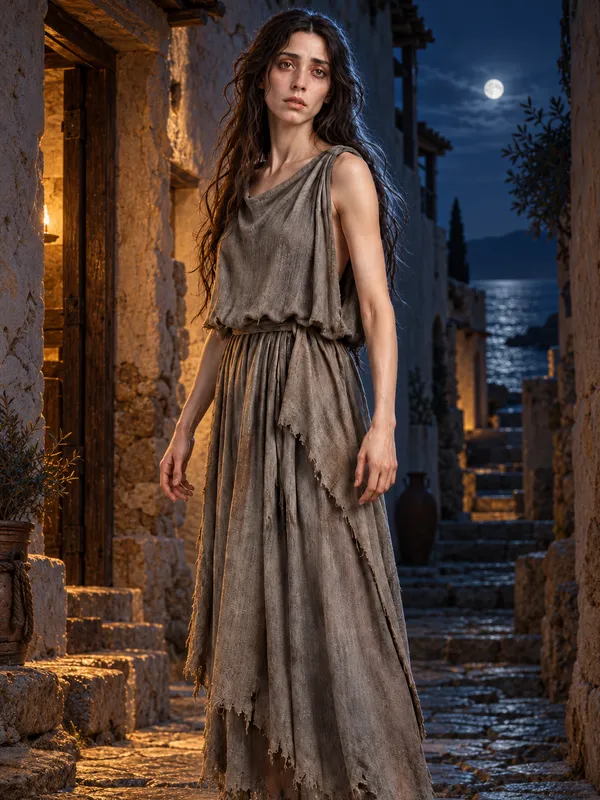
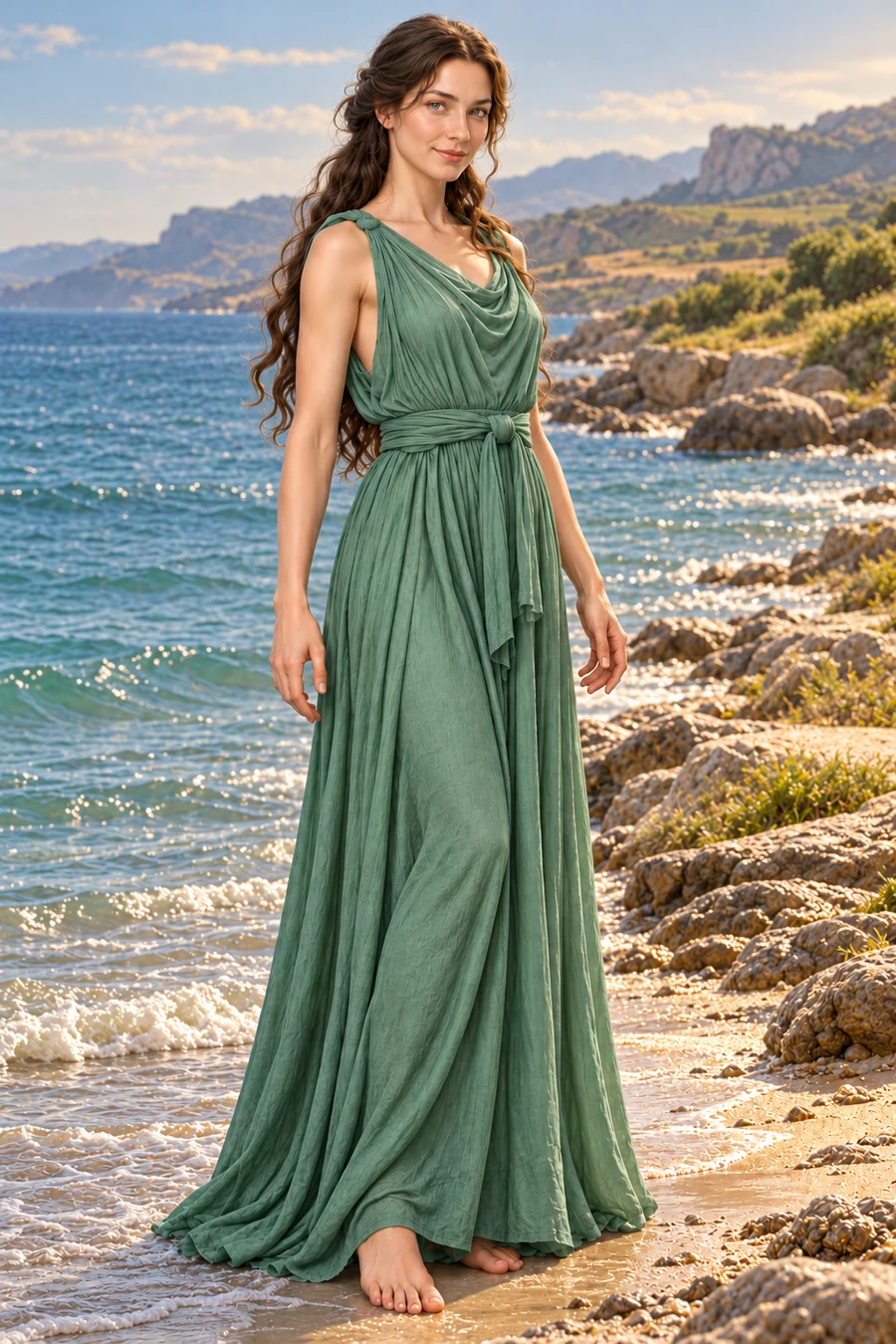
Galatea, one of the fifty Nereids, was the daughter of Nereus and Doris and dwelt in the depths of the azure sea alongside her sisters.1,2,3,4,5 She was a sea-nymph with a beautiful face and golden hair, often described as fairer than privet leaves, more blooming than meadows, and more slender than a tall alder.6,7,8,3 Her form was whiter than pressed milk and more delicate than a lamb, yet she was considered more wanton than a young calf and sleeker than an unripened grape.9 The Graces were said to tune her voice, marking her as a figure of musical grace, and she was represented as a flute-player in the play Cyclops.7,10
A Sicilian shepherd, son of Poseidon, fell deeply in love with Galatea after noticing her playing on the shore at the foot of Mount Etna, ignoring the other women present.11 Galatea rejected his marriage proposal and gifts, leaving her unable to escape his romantic pursuit, and she often fled from him when he was awake.12,5,9,13 To mock his slow courtship, she threw apples at his flock and pelted his dog while it watched over the sheep, playing games that left his king unguarded.14 She leaped out of the sea to look at his caves and herds, yet she shunned the speaker who pursued her and pelted his flock with stones.15,13 Polyphemus pursued her relentlessly, serenading her with a harsh, out-of-tune song on a crude lyre that even Echo refused to answer out of shame for his rough singing.16 She visited Polyphemus in his dreams, and she pursued him when he did not court her, though she fled from him when he was awake.9,14
Galatea loved Acis and preferred him to the Cyclops, pursuing the young man with romantic interest while feeling equal strength in her hatred for the giant and love for her beloved.5,12 The Cyclops threatened to kill her lover out of jealousy and vowed to scatter her lover's limbs in her waves.5 Acis called upon Galatea's parents to admit him into their realms, seeking to join her in their domain.17 When the giant gave chase, Acis begged Galatea for help while fleeing from the pursuing monster.17 She was protected by a large group of sisters during these events.12
Dionysius was also in love with her, adding to the list of divine and mortal suitors who sought her affection, including the Cyclops from Philoxenus' work.10,7 The poet Philoxenus composed a song praising Galatea while among sheepfolds and attempted to seduce her.18,10 She received a shaggy bear cub as a gift from her lover.16
Galatea was described as cruel in this passage, and her nature was unstable, compared to being more unstable than waters and tougher than osier twigs.19,8 Her speed was described as fleeter than deer, winds, and fleeting air, while she was characterized as more immoveable than rocks and more violent than a torrent.8 She was described as rougher than thistles and more cruel than a pregnant she-bear, wilder than untamed bullocks and harder than an aged oak.8 She was said to be more savage than a trodden water-snake and her hearing was compared to being more deaf than ocean waves.8 In the codex, she is listed as the mother of Keltos and Illyrius, linking her to the origins of specific peoples, and she was described as a true flower of love.7
The codex facts behind this entry
Galatea is one of the fifty Nereids, the daughters of Nereus and Doris. Aeneid 9.77 +5
Appearance
Galatea is described as fairer than privet leaves, more blooming than meadows, and more slender than a tall alder. Ovid Met. 13.719-897 (4) +1
In the myths
Galatea rejected the Cyclops's marriage proposal and gifts, leaving her unable to escape his romantic pursuit. Ovid Met. 13.719-897 (2) +1