ARISTAEUS (young pastoral worker and hunter)
Figure of myth · minor god in Greek mythology
- Parents
- Apollo, Cyrene
- Consorts
- Autonoë
- Children
- Actaeon, Macris, Nysa, Charmus, Calaecarpus
- Allies
- Dionysus
- Symbols and gear
- homestead
- Haunts and cult places
- Boeotia
- In the sources
- 26 ancient passages
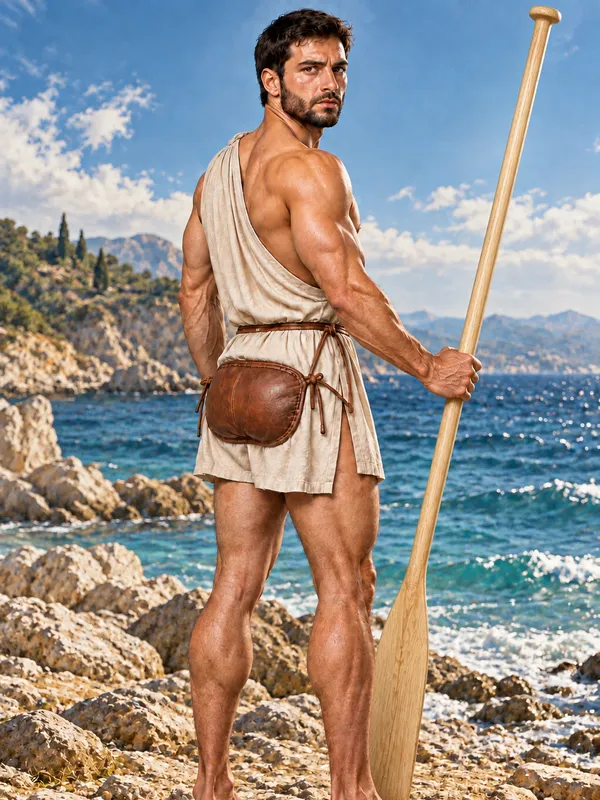
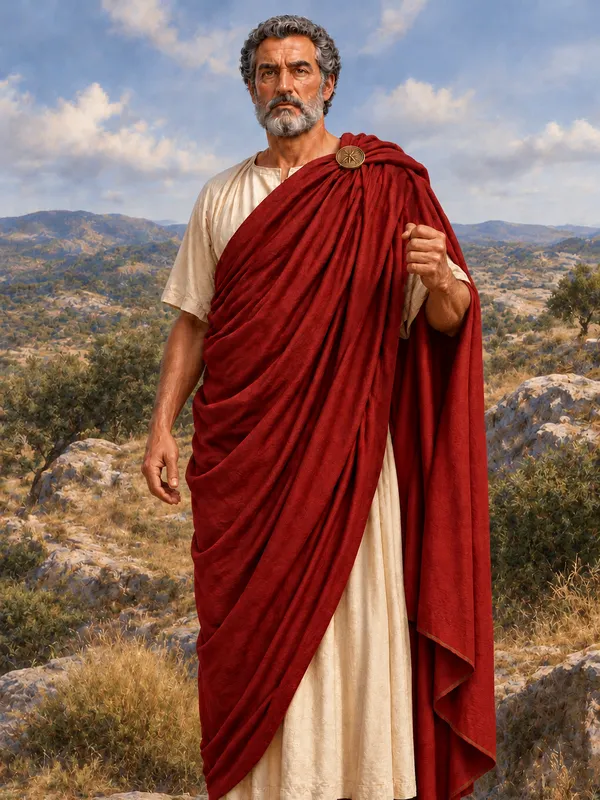
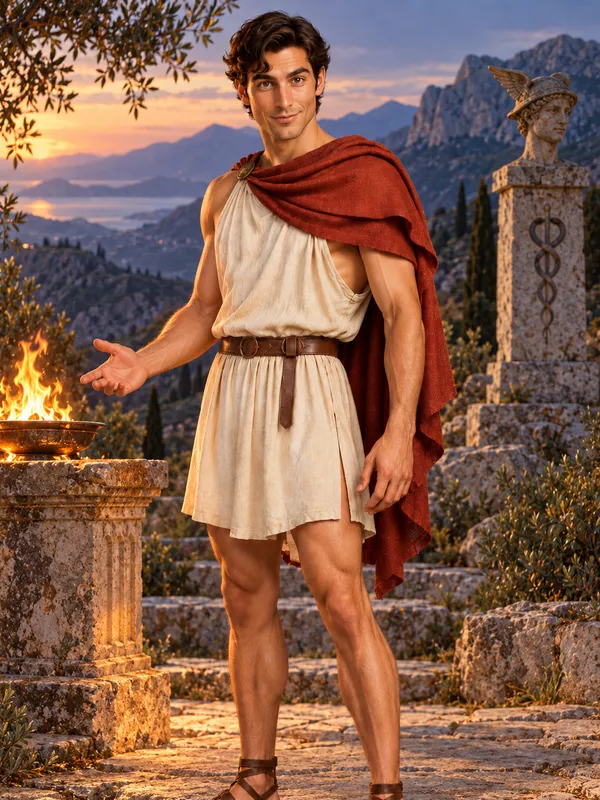
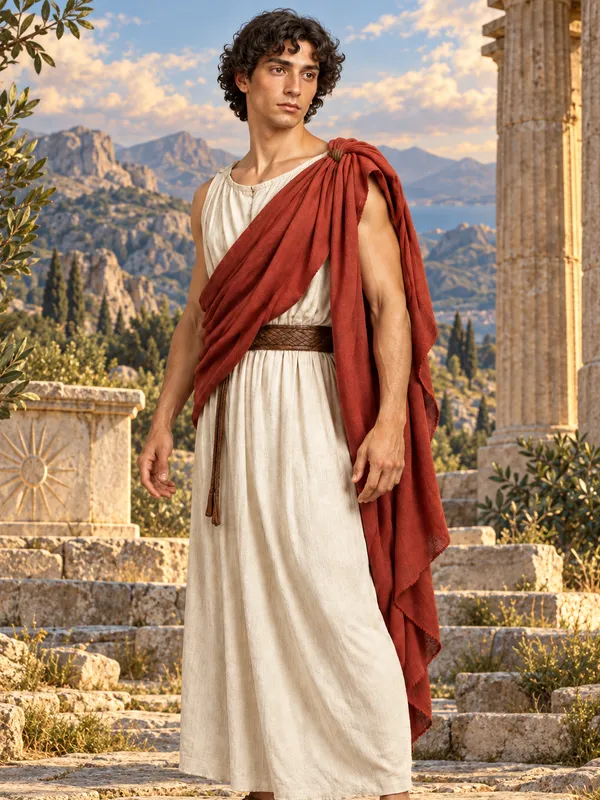
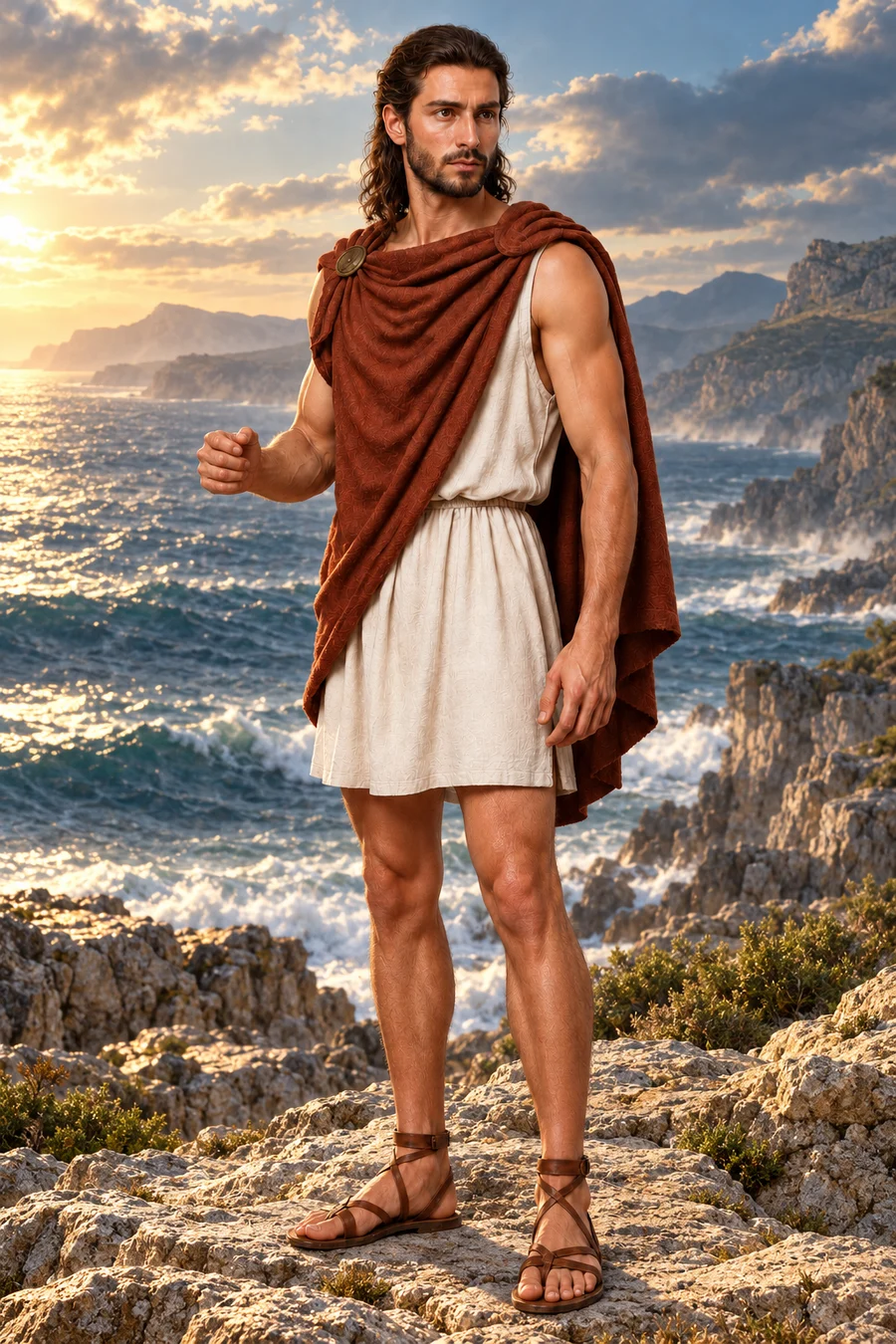
Aristaeus, son of Apollo and Cyrene, was a divine figure whose frame was steeped in ambrosial dew and whose trim-combed locks breathed a sweet effluence. f:1,2,3 With a lithe vigour leaping into his limbs and long hair, he excelled in understanding, self-control, and all learning. f:3,4,5 The Muses taught him the arts of healing and prophecy, while the Nymphs instructed him in curdling milk, making bee-hives, and cultivating olive-trees. f:1,2 Known among the Nymphs as Nomius and Agreus, and by the Haemonians as Hunter and Shepherd, he was also called the shepherd Apollo. f:2,1,6
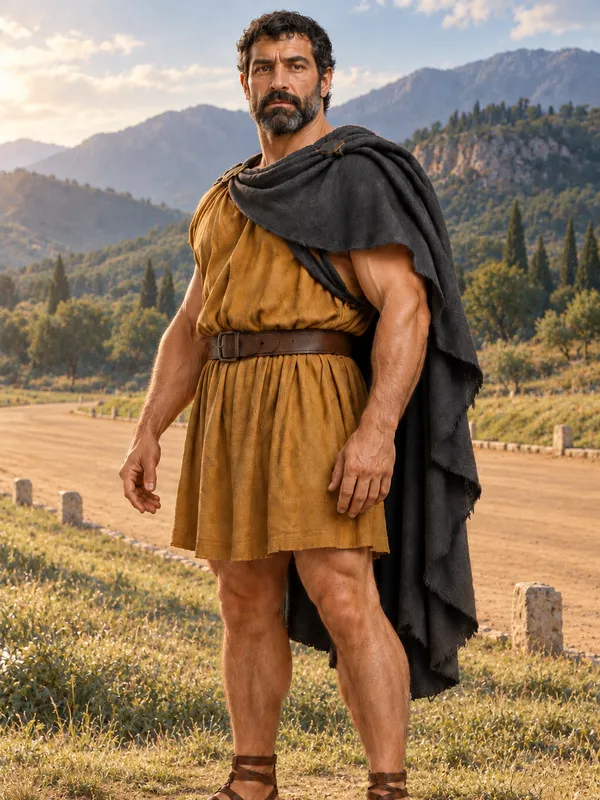
When he reached manhood, the Muses provided him with a bride, Autonoe.1,7 They were the parents of Actaeon, Macris, and Nysa, the latter of whom cared for the child Ammon brought.7,2,8,9,10,5 Aristaeus owned fruit-plantations, a homestead, crops, and vines, and served as the keeper of the Muses' sheep. f:11,1 He discovered the fatness of the olive and the works of bees, becoming the first to teach men these agricultural skills. f:10,2 One tradition holds that he was the first to mix honey with wine, while others credit him with introducing olive-oil, the oil-press, and the use of honey. f:12,13 He was described as the lord of honey and the first person to offer a sacrifice to Dionysus as a god. f:14,10
Grieved by the fate of Actaeon and vexed with Boeotia and all of Greece, Aristaeus consulted his father Apollo's oracle. f:15,16 Instructed by Apollo, he relocated his home from Phthia to the island of Ceos, where he gathered the Parrhasian people of Lycaon's lineage. f:1,16 He offered sacrifices to Zeus son of Cronus and to the star Sirius on the mountains, an act that coincided with the star's rising and ended pestilential diseases. f:1,16 During a plague, he offered a sacrifice in Ceos on behalf of all Greeks, and later spent time in Sicily displaying his benefactions to its inhabitants. f:16 He was summoned to ward off a pestilence in the Minoan Isles and learned useful knowledge from Dionysus during his stay in Thrace. f:1,16
Though they failed to establish a city, they cultivated the previously waste land with plantings. f:16,17 Before returning to Libya, he left descendants on the island of Ceos. f:16 After his bees were lost due to famine and disease, he stood weeping by the river Peneus and called out to his mother. f:11,18 The river water formed a path that carried him to the deep river-bed, where he viewed the underground streams and his mother's watery kingdom with wonder. f:18 He entered his mother's stone-roofed chamber after the water parted, and was served dainties and wine by the nymphs. f:18
Confronting Proteus to ask for an oracle regarding his misfortunes, he leapt on the old man and bound him before he could rise. f:3 Claiming he came at the command of heaven, he forced Proteus to speak the fates of heaven through stubborn force. f:3 He possessed the ability to interpret the omens of flying birds and would serve as a helpful protector for flocks. f:19,20 After his disappearance, Aristaeus received immortal honours and was honored with rites equal to those for gods by both barbarians and Greeks. f:2,16 He became a seer who was sung of by men in the future, associated with a land where Kadmos tells Agave to go. f:20,21
The codex facts behind this entry
He is described as the first person to offer a sacrifice to Dionysus as a god. Diodorus 3.72 He is described as the lord of honey. Argonautica 4 ¶68 His name will be Aristaios for others. Pindar, Pythian 9 ¶6
Appearance
Aristaeus was described as excelling in understanding, self-control, and all learning. Diodorus 3.70
Powers
The Muses taught him the arts of healing and prophecy. Argonautica 2 ¶36 He learned to curdle milk, make bee-hives, and cultivate olive-trees from the Nymphs. Diodorus 4.81 He discovered the fatness of the olive. Argonautica 4 ¶68 He discovered the works of bees. Argonautica 4 ¶68 He will serve as a helpful protector for flocks. Pindar, Pythian 9 ¶6 He will possess the ability to interpret the omens of flying birds. Callimachus, Hymn 5 ¶5
In the myths
Aristaeus led a group of colonists from Libya to Sardinia with the aid of his Nymph mother, where they failed to establish a city but cultivated the previously waste land with plantings. Diodorus 4.82 +1 He offered sacrifices to the star Sirius on the mountains, an act that coincided with the star's rising and ended the pestilential diseases. Argonautica 2 ¶36 +1 He was instructed by Apollo to relocate his home from Phthia to the island of Ceos. Argonautica 2 ¶36 +1 Aristaeus migrated to Sardinia because he was grieved by Actaeon's fate. Pausanias 10.17.3 Aristaeus was vexed with Boeotia and all of Greece before leaving. Pausanias 10.17.3 Nymphs were given the infant Aristaeus to raise. Diodorus 4.81 Aristaeus consulted his father Apollo's oracle after Acteon's death. Diodorus 4.82 Aristaeus offered a sacrifice in Ceos on behalf of all Greeks during a plague. Diodorus 4.82 He spent time in Sicily displaying his benefactions to its inhabitants. Diodorus 4.82 He was brought as an infant to be raised in Cheiron's cave. Argonautica 2 ¶36
Worship
Aristaeus received immortal honours and was honored with rites equal to those for gods by both barbarians and Greeks after his disappearance. Diodorus 4.81 +1 Sicilians, especially olive harvesters, gave Aristaeus especial honour as a god. Diodorus 4.82 Honors are still paid to Aristaeus as a god in the present day. Pausanias 8.2.4
Fate
Aristaeus was transformed into a deity during the era when righteous men became gods. Pausanias 8.2.4 The Hours and Earth will feed the infant nectar and ambrosia to make him immortal. Pindar, Pythian 9 ¶6 He was never seen again by men after dwelling near Mount Haemus. Diodorus 4.82