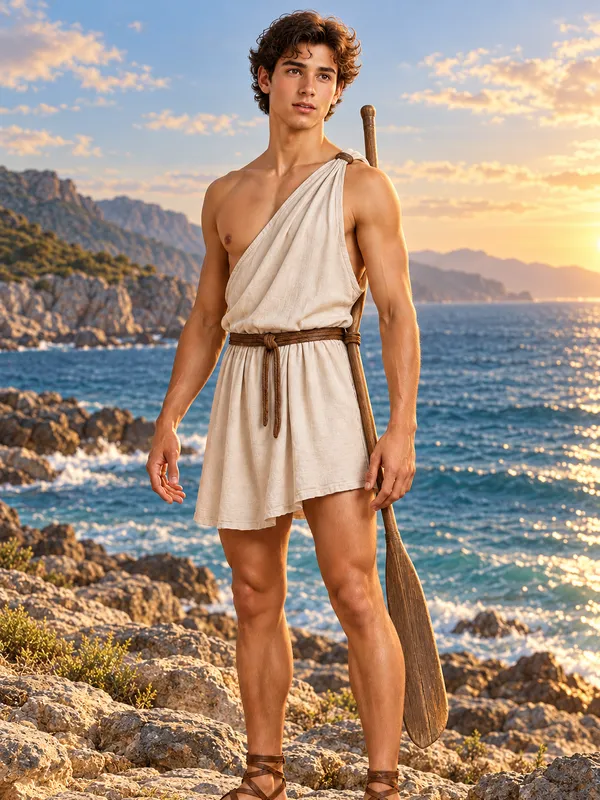
TENES (greek mythological hero)
Figure of myth · Greek mythological hero
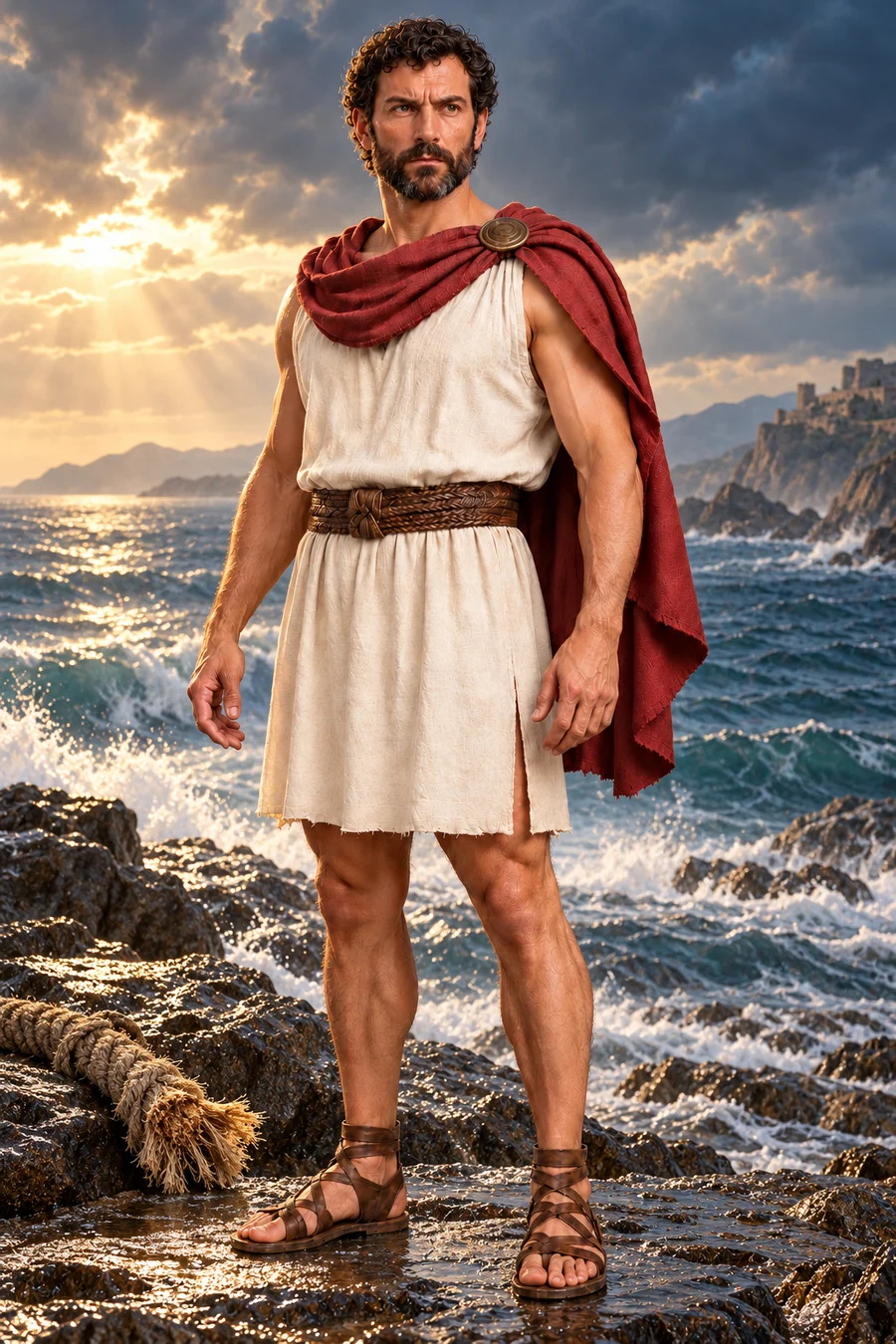
- Parents
- Cycnus, Apollo, Proclia
- Siblings
- Hemithea
- Haunts and cult places
- Tenedos
- In the sources
- 10 ancient passages
Tennes, the hero from whom the island of Tenedos takes its name, was the son of Cycnus, ruler of Colone in the Troad, and Procleia, daughter of Clytius.1,2,3 Some writers identify the Thracian Cycnus as his father, while others claim Apollo was the divine parent instead.4,5,6 He had a sister named Hemithea, and his mother’s brother was Caletor.5,3
Philonome, Cycnus's second wife, fell in love with Tennes, but he rejected her romantic advances.3,5 She then falsely accused him of attempting to seduce her, bringing a flute player named Eumolpus to witness her lie.5,3 The flute player gave false testimony against Tennes, an act that led to a ban on flute players.2,5 In a fit of anger, Tennes cut the ship's cables with an axe.7
Cycnus placed Tennes in a chest and sent it to sea, banishing him from the Troad.8,2,4 The chest carrying Tennes was washed ashore on Tenedos, saving his life.2 He gathered colonists and seized the uninhabited island of Leucophrys.2 Tennes founded a city on the island and named it Tenedos after himself, causing the island Leucophrys to be renamed Tenedos.8,2,6,7
Tenes became the ruler of the island and governed it uprightly, providing many benefits to its inhabitants.4,2 When the Greeks arrived, Tennes attempted to repel them by hurling stones at them while defending his country.9,10 Thetis warned Achilles that killing Tenes would cause his own death by Apollo.9 Despite this warning, Achilles killed Tenes by striking him in the breast with a sword during the Greek sacking of Tenedos.9,2
Upon his death, Tennes was granted immortal honours by the locals, who built a sacred precinct for him.2 The inhabitants offered sacrifices as if he were a god, and the Tenedians passed a law forbidding anyone to speak Achilles' name in his precinct.2
The codex facts behind this entry
In the myths
Cycnus placed Tennes in a chest and sent it to sea. Apollodorus, Epitome 3.25 +2 Tennes rejected the romantic advances of Philonome, who then falsely accused him of attempting to seduce her. Apollodorus, Epitome 3.24 +1 Tennes founded a city on the island and named it Tenedos after himself. Apollodorus, Epitome 3.25 +1