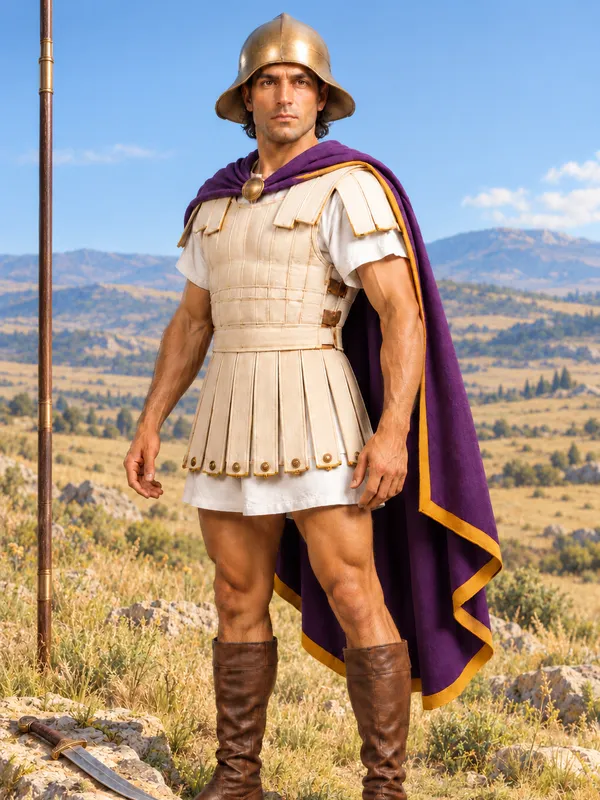
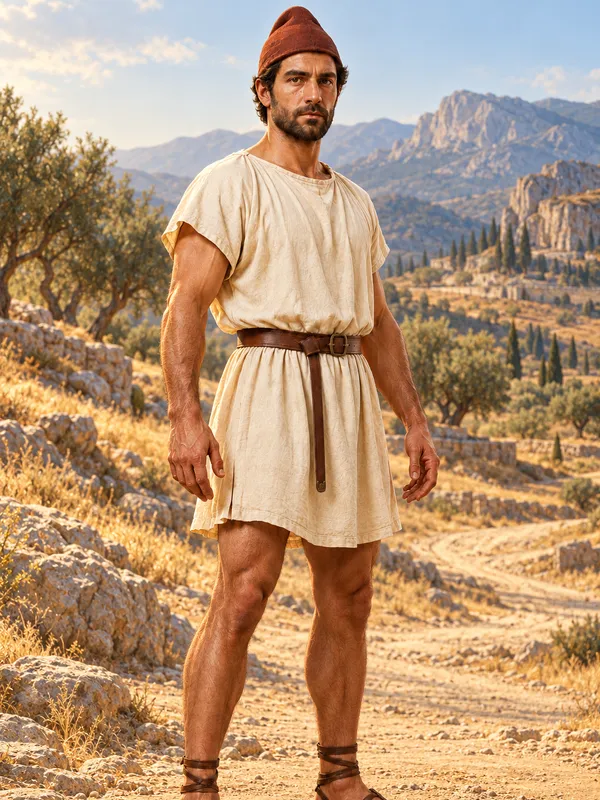
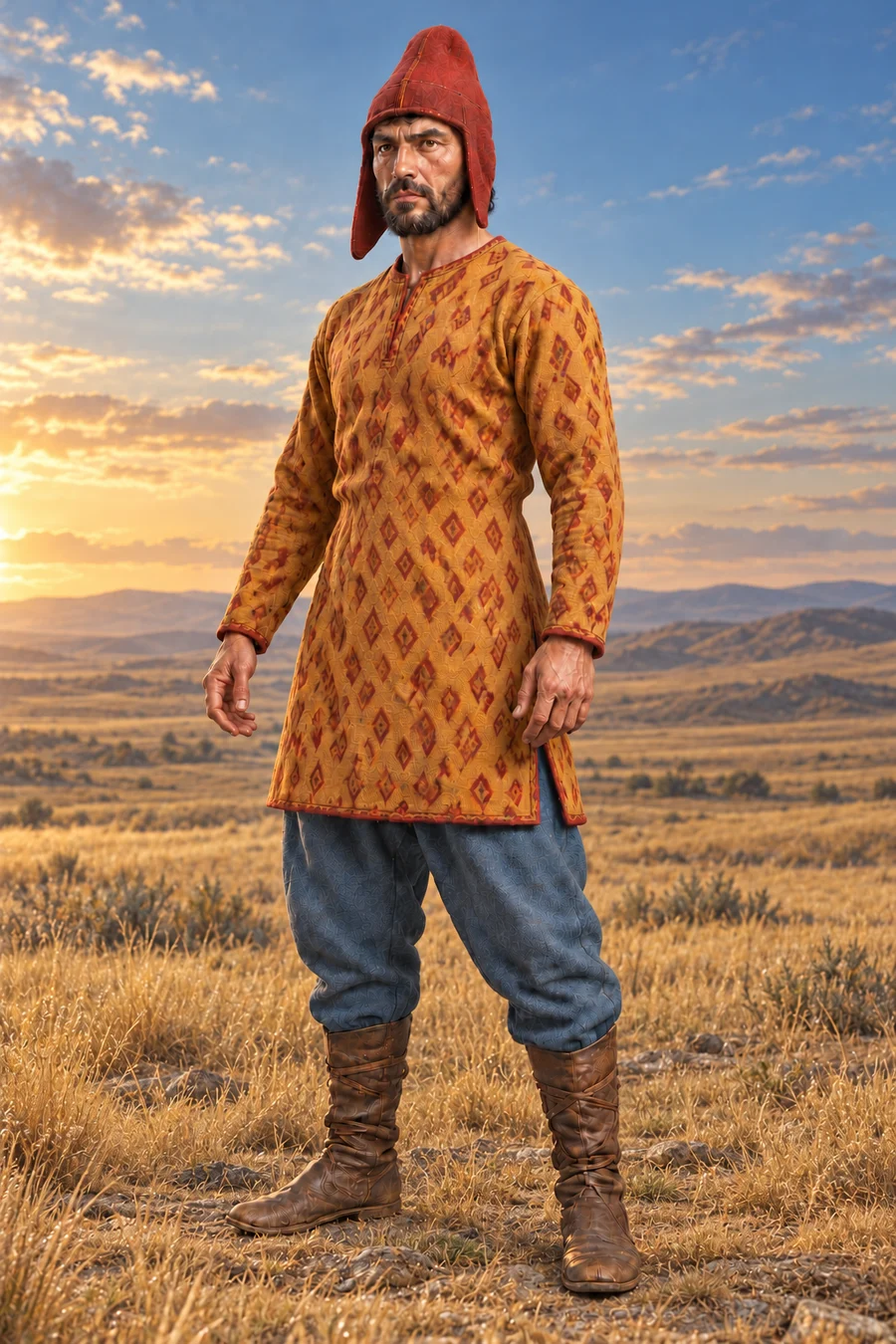
SCYTHIAN HORSE ARCHER (scythian warrior)
People and soldiers · multinational region of Central Eurasia in the classical era
- Haunts and cult places
- Alazones, Adriatic sea, Thrace, Galatia, Dnieper, Danube, Elis, Scythia
- In the sources
- 101 ancient passages
The four-sided land of Scythia was marked by the Ister river, which flowed along its borders and defined the start of the northern boundary at a coastal bay.1,2,3 This territory was bordered on its northern and inland side by the Black-cloaks, and its shape was described as square with two sides of coastline and a cross-measurement of five hundred miles.1,4,3,5 The climate was cold, wintry, and frosty, conditions that prevented the area from producing asses or mules.6,7 Within this region, the steep mountain Caucasus rose, which the local inhabitants named Graucasis, meaning white with snow.8,9
The people of this land were numerous and migratory, leading to great discrepancies in the accounts of ancient writers regarding the innumerable nations there.8 Known tribes included the Sacæ, Massagetæ, and Dahæ, as well as the Essedones, Ariacæ, and Rhymmici.8 Other groups mentioned were the Pæsici, Amardi, Histi, and Edones, alongside the Camæ, Camacæ, Euchatæ, and Cotieri.8 The Anthusiani, Psacæ, Arimaspi, and Antacati, along with the Chroasai and Œtei, also inhabited this area.8 Persians referred to these peoples by the general name Sacæ, while ancient writers gave the inhabitants the name Aramii.8 The local inhabitants called the Persians Chorsari, and the Tauri were identified as a Scythian nation in this context.8,10
The Scythians waged war against Rhesus just before he left for Ilium, though Rhesus killed many of them and caused great bloodshed in their land.11 Rhesus conquered the Scythians and took their children as hostages, imposing a yearly tribute on them for his house.11 Heracles slept in the region after covering himself with his lion's skin, and Scythia expressed sympathy for him while he was chained on Caucasus.6,12 The transformed cow wandered through this region after crossing the Bosphorus, while Medea brought wolfsbane from the shores of the area.13,14 The terrible wind Boreas invaded the territory, and the region contained a stony field where Famine was found.15,9
The Scythians were the first people to establish common laws, yet they became the most miserable nation due to their extreme insolence.16 They were the first men to abandon themselves wholly to luxury, indulging in it more than any other nation with great resources.16 Their chief men still displayed traces of this luxury in their apparel and lifestyle, and they cut off the noses of men wherever they traveled.16 Descendants who emigrated derived their name from this specific treatment, and Scythian wives tattooed the bodies of Thracian wives using buckle tongues.16 The people butchered frozen animals with knives instead of using hounds or nets, and heaved whole oak-logs and elm-trees onto their hearths for fire.17 They soured their wine-cup with barm and served it in festive glee, while the intense heat rendered the natural coldness ineffective against flames.17,18
The Scythians ruled over other nations in a tyrannical manner, with their command characterized by painful offices of slavery.16 The Scythian king dispatched Anacharsis to study Greek customs, and the inhabitants carried vessels on their belts due to an ancestral event.19,20 The eldest Scythian attempted to take fallen gold objects but was burned by them, and Cimmerian walls and a ferry existed within the region.21,22 The river Hypanis originated from within the region, and the life and habits of the people here resembled those of Parthia.23,8 When the Persians pursued them, the Scythians retreated northward into their own lands, maintaining a one-day distance from the invading force.24,25 They guided the Persians from the Neuri lands into Scythia, but they refrained from a second attack on the Agathyrsi territory.26 The Scythians devised a strategy to prolong the Persian presence in the area, intending to cause distress through a shortage of necessities.27
The codex facts behind this entry
The region is described as a four-sided country. Herodotus 4.101.1 The Tauri are identified as a Scythian nation in this context. Strabo 7.4.5 Persians referred to the peoples of this region by the general name Sacæ. Pliny, Nat. Hist. 6.19 ¶1
In the myths
The eldest Scythian attempted to take the fallen gold objects but was burned by them. Herodotus 4.5.3 Heracles slept in the region after covering himself with his lion's skin. Herodotus 4.8.3 The inhabitants of this region carry vessels on their belts due to an ancestral event. Herodotus 4.10.3 The Scythian king dispatched Anacharsis to study Greek customs. Herodotus 4.77.1 The Scythians refrained from a second attack on the Agathyrsi territory. Herodotus 4.125.6 The Scythians devised a strategy to prolong the Persian presence in the area. Herodotus 4.130.1 The intense heat renders Scythia's natural coldness ineffective against the flames. Ovid Met. 2.1-303 (10) The region produces no asses or mules due to its cold weather. Herodotus 4.129.2 The Scythians guided the Persians from the Neuri lands into Scythia. Herodotus 4.125.6 The Scythians intended to cause the Persians distress through a shortage of necessities. Herodotus 4.130.1
Fate
They were oppressed by numerous disasters that caused widespread grief. Athenaeus 12.27 Foreign nations named a form of insulting hair cutting after the Scythians. Athenaeus 12.27