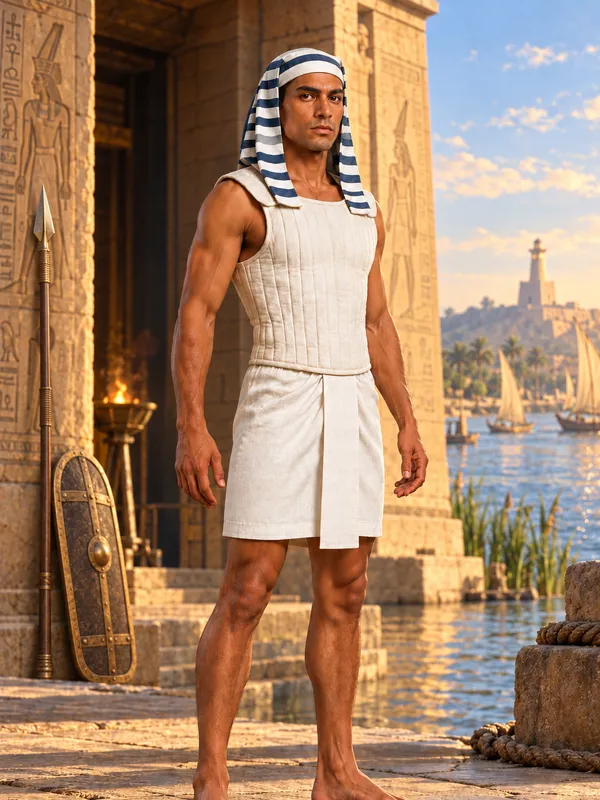
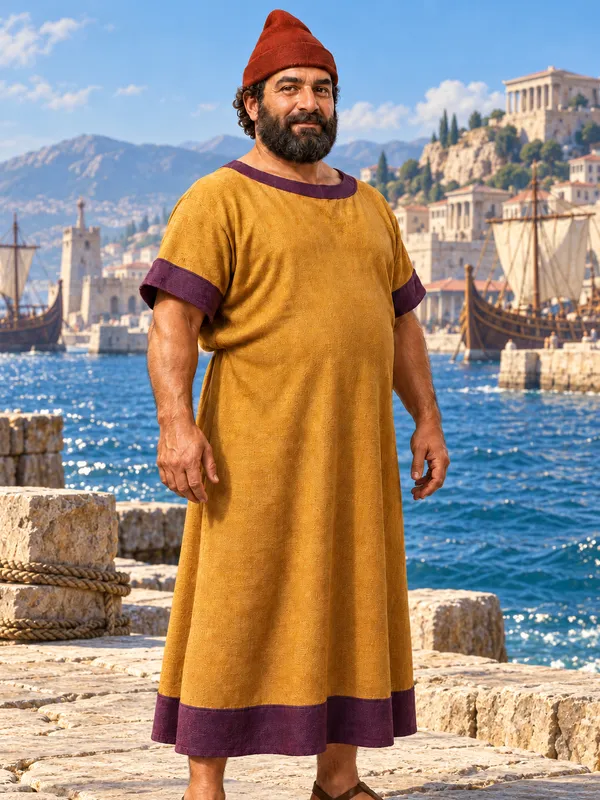
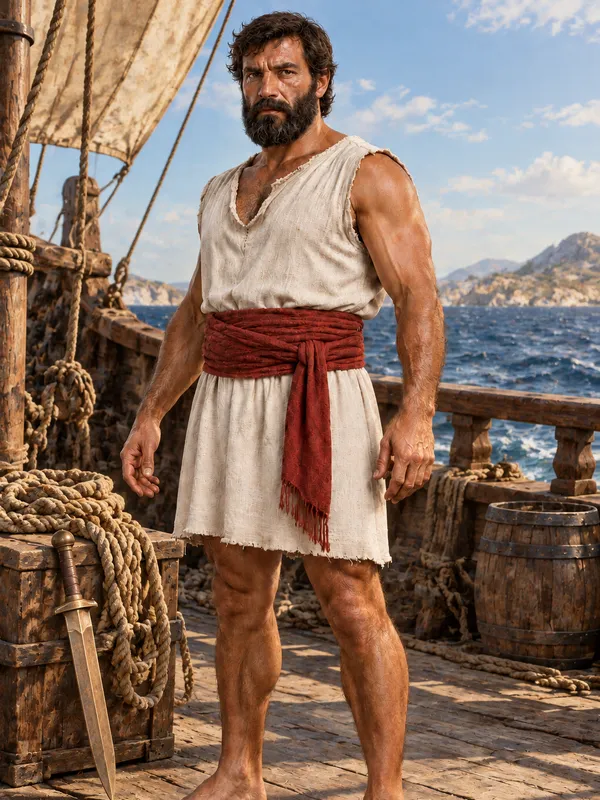
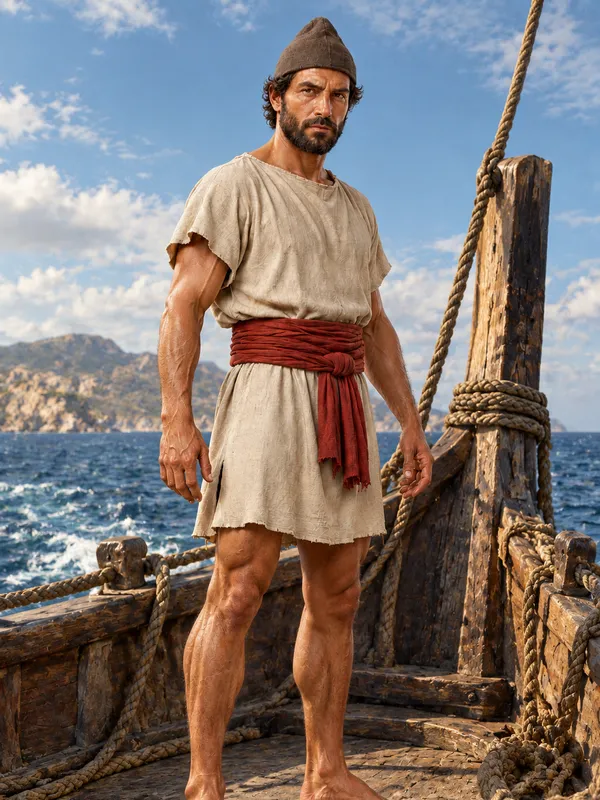
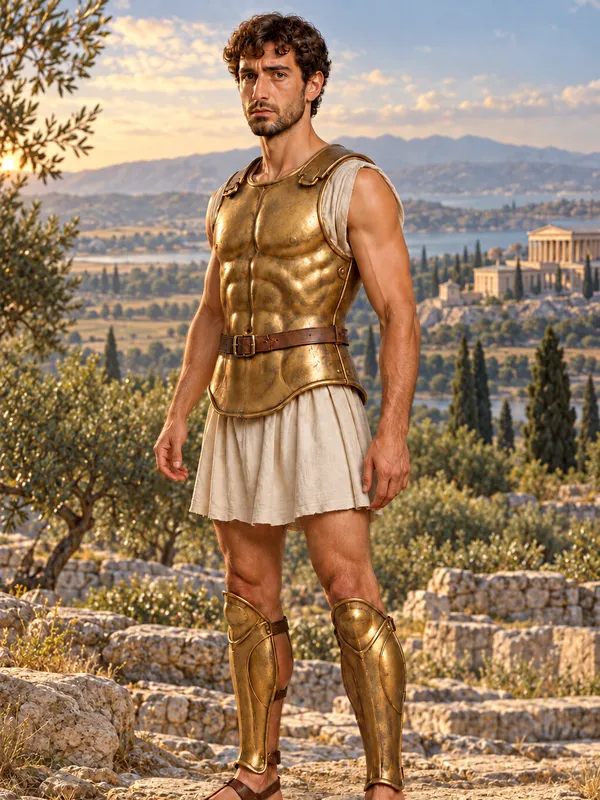
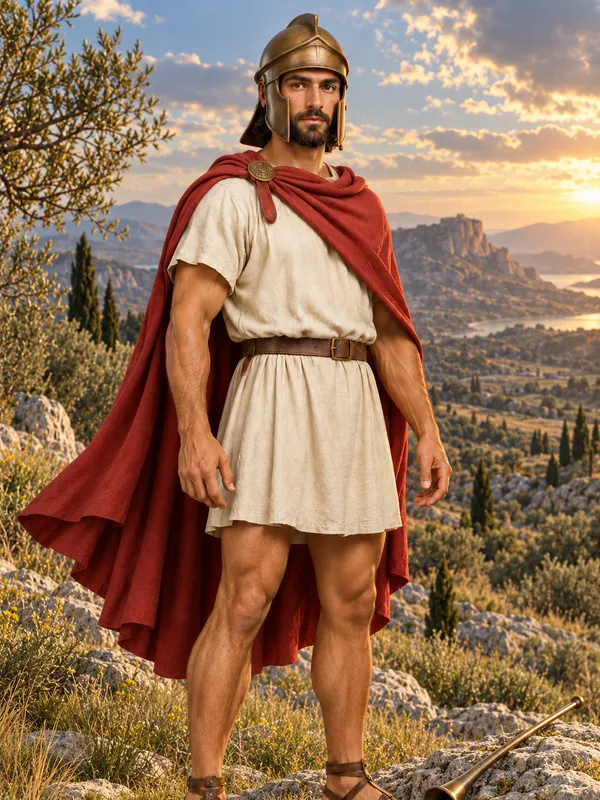
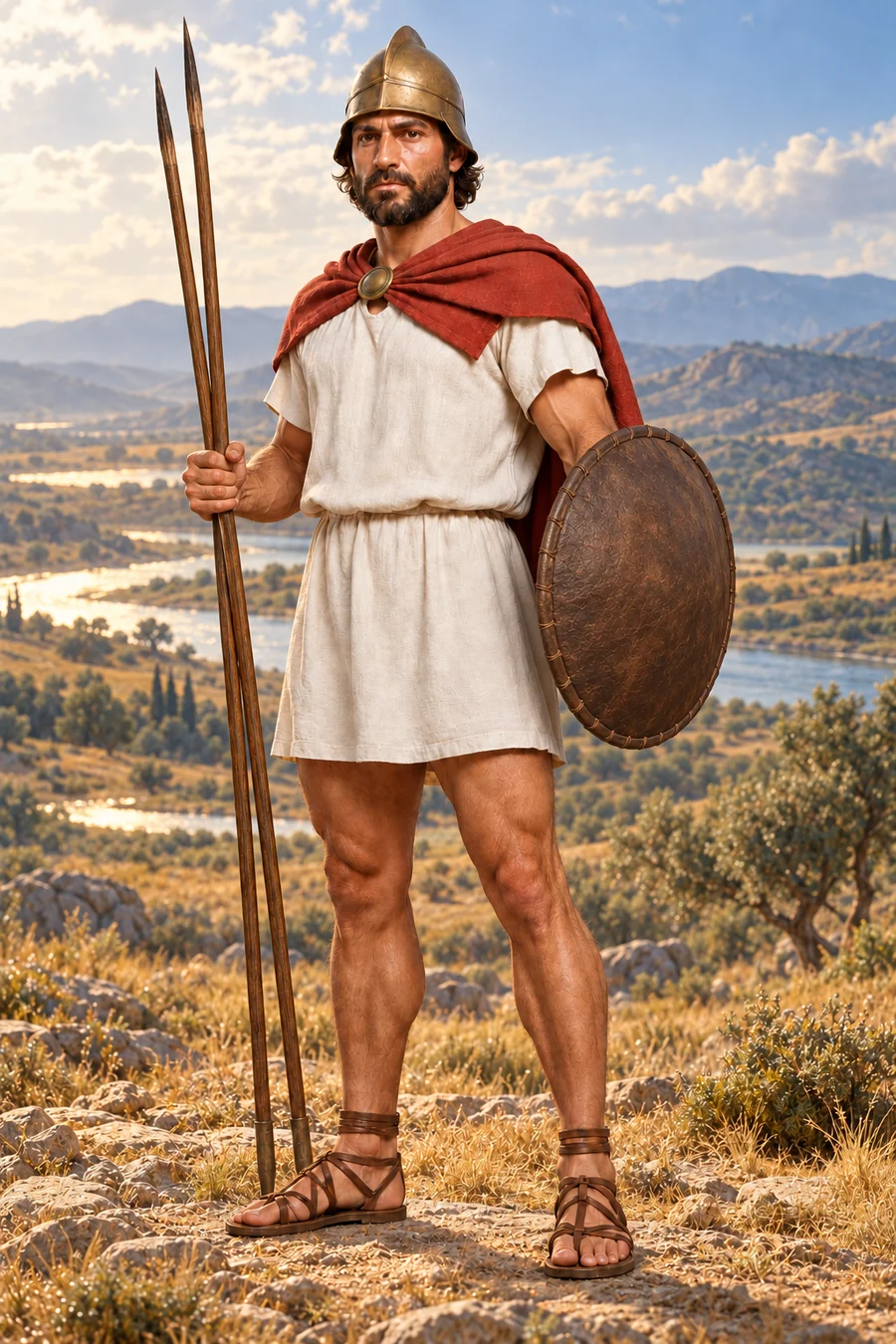
MYSIAN WARRIOR (soldier from Mysia)
People and soldiers · historical region in the northwest of ancient Asia Minor
- Haunts and cult places
- Cius, Cyzicus, Lysimachia, Bithynia, Troad, Troy, Phrygia, Atarneus
- In the sources
- 53 ancient passages
The land known as Mysia, a territory whose borders were difficult to distinguish from neighboring areas, formed part of the southern boundary of Bithynia and lay next to the Troad.1,2,3,4 These fighters inhabited a rugged landscape where plains lay covered in ashes and hills appeared black, devoid of trees except for vines that produced high-quality Catacecaumenite wine.5 The ground itself seemed unstable, with rugged hills above pits likely formed by air blasts, leading some to believe thunderbolts or fiery tempests had shaped the earth while others suggested fire generated within the soil.5
The history of this people was marked by shifting rulers, as the Mysians became masters of the country after Troy was captured, having previously lived under the control of the Lydians.3,6 Before the Bithynians arrived, the Bebryces had settled the region, and later, Bithynians and Thyni settled among the people formerly known as Mysians.7 A king named Arimus is said to have ruled these parts, and some authors placed the Arimi in the Catacecaumene region within Mysia, a region whose name is uncertainly given as either Mysia or Meonia.5,8
When Telephus, son of Heracles, traveled to Mysia to find his parents after consulting the god at Delphi, he held the kingship over this land.9,10,11,12 Agamemnon's fleet attacked the region as though it were Trojan territory, but the Greek forces plundered and ravaged the territory before being forced to withdraw in disgrace.13,11 In response, Telephus armed the local people to defend the pillaged country, and the Mysians chased the Greeks to their ships.11 Many Greeks, including Thersander, were killed during this defense, and the Greek fleet departed from this region before encountering a storm.11,14,15
The region hosted other notable figures, such as Teuthras, who ruled the area and married Auge after receiving her from Nauplius, and Polyphemus, who founded and ruled as king in the city of Cius.9,10,16 The Argonauts arrived at this region after burying Cyzicus, and the Gauls were eventually destroyed in this same territory.17,18 Heracles had previously fought alongside Lycus against the king of the Bebryces, seizing territory to grant it to Lycus, establishing a legacy of conflict in the area.19
The river Hermus originated in the region and flowed down from the sacred mountain of Dindymene, while the parallel of Lysimachia passed through the land according to Eratosthenes.20,21
The codex facts behind this entry
The state of the Mysi is specifically called Mysia. Strabo 8.3.31 The Catacecaumene region is uncertainly named either Mysia or Meonia. Strabo 13.4.11 The region formerly known as Mysia is now called Æolis. Pliny, Nat. Hist. 5.32 ¶1
In the myths
Polyphemus founded and ruled as king in the city of Cius. Apollodorus 1.9.19 Agamemnon's fleet attacked the region as though it were the Trojan territory but was forced to withdraw in disgrace. Strabo 1.1.17 Heracles fought alongside Lycus against the king of the Bebryces and seized territory from them to grant it to Lycus. Apollodorus 2.5.9 Mysians became masters of the country after Troy was captured. Strabo 12.4.6 Mysia was previously under the control of the Lydians. Strabo 13.1.65 Some people believe thunderbolts and fiery tempests caused the land's appearance. Strabo 13.4.11 Others suggest the effects were caused by fire generated within the soil. Strabo 13.4.11 A king named Arimus is said to have ruled these parts. Strabo 13.4.11 The Greek forces plundered and ravaged the territory. Apollodorus, Epitome 3.17 Telephus armed the local people to defend the pillaged country. Apollodorus, Epitome 3.17
Fate
Under Roman rule, many tribes in the area lost their languages and names. Strabo 12.4.6