DANAUS (greek mythological king)
Figure of myth · Greek mythological king
- Parents
- Belus, Anchiroe
- Siblings
- Aegyptus
- Consorts
- Pieria, Phoebe, Memphis, Crino, Elephantis, Atlantia, Herse, Europe, Polyxo, Aethiopis
- Children
- Amymone, Hypermnestra, Isonoe, Clite, Asteria, Automate, Eurydice, Hippodamia, Hecabe, Cleopatra, Scaea, Gorge and 63 more
- Haunts and cult places
- Argos
- In the sources
- 70 ancient passages
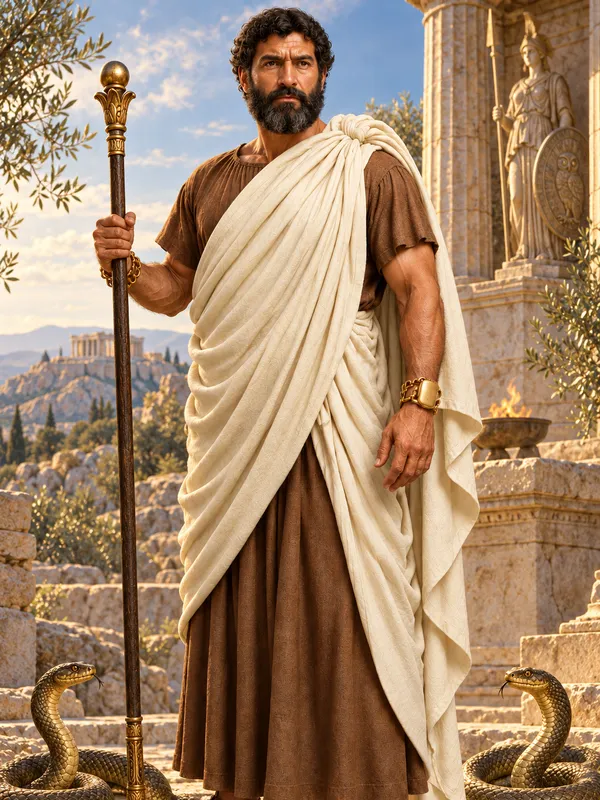
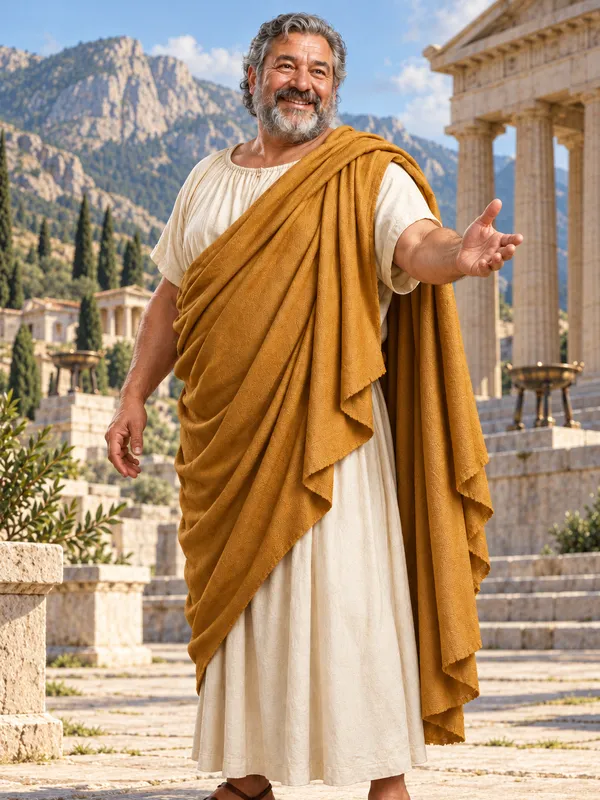
Danaus, the most powerful king of Argos, wore a feigned countenance that showed signs of treacherous peace and the coming night.1,2,3 Son of Belus and Anchiroe, he was an Egyptian ruler who described himself as an old man with a youthful heart and tongue.4,5,6 His physical appearance differed from that of the local people.7 Before becoming a king, he served as a diviner and soothsayer, speaking with prudence and wisdom.8,9
Danaus built the first ship, leading a group of Egyptians by sea from Egypt to settle in the Peloponnesus.10,11,12,13 He sailed against Gelanor, son of Sthenelas, and secured the kingship of Argos, halting the royal succession of Agenor's descendants.10,14 Arriving in Argolis at a place called Apobathmi, he transformed the dry region into a place with abundant water by identifying the locations of water springs.12,13,15,8 Because the land was waterless, he sent his daughters to draw water.10,5 The Egyptians who arrived with him were later settled in Nauplia, and he established a law changing the name of the Pelasgiotae to Danai.16,10,17
Danaus was the father of fifty daughters from many wives, including Hypermnestra and Gorgophone, as well as the nymph Amymone.17,10,18,19,20,5,21 Euripides claims Cepheus and Phineus were also his brothers, while he is grouped with Lynceus as a figure from Khemmis.10,12 He was the ancestor of a race honored by Zeus, and his descendants intermixed with the Amythaonidae through marriages.22,23 The city of Argos is referred to as the city of Danaus.24,25
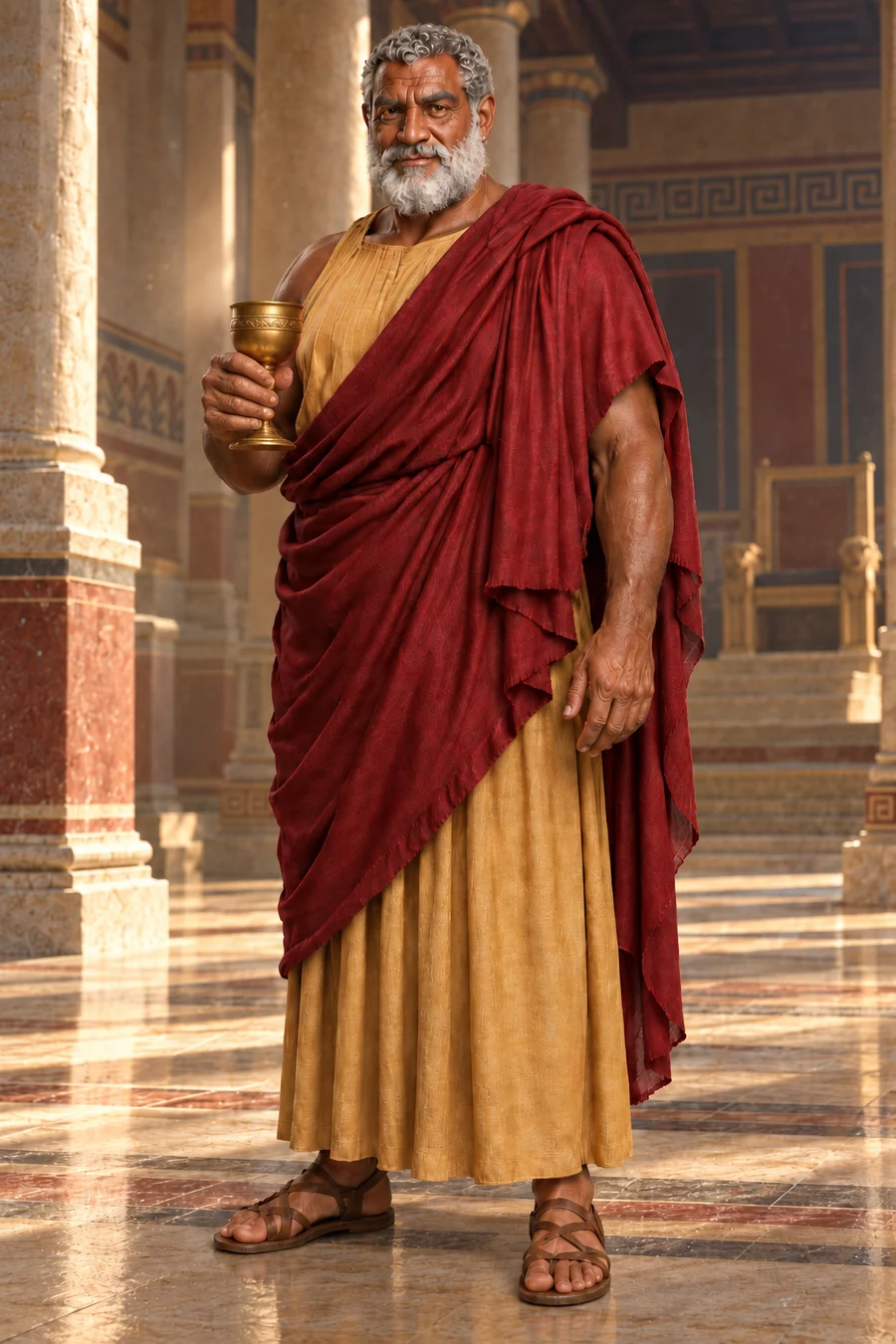
Danaus observed the approaching enemy fleet from his position at the sanctuary of suppliants.9,26 He warned that those who dishonor the gods will suffer punishment and advised the maidens not to neglect them despite their fear.26,6 Stating he would go to secure allies and advocates to support their cause, he exited the scene accompanied by his attendants.26,6,7 The King described him as a seafarer seeking to become a suppliant at the gods' hearths.7 Danaus used a golden goblet to pour libations to the gods.27
He advised his daughters to be prudent, submissive, and avoid arrogance, yet in Statius, he is already meditating murder.9,28 He brought Hypermnestra to judgment at the Place of Judgment for disobeying his command.29,30 A throne belonging to Danaus is dedicated at a specific location.31 His heart, though aged, was renewed by good news, and he used similes involving wolves, dogs, papyrus, wheat, and ships to argue for caution and divine respect.32,6 The sons of Danaus asked Theseus to help bury their dead relatives.33
The codex facts behind this entry
Danaus is the father of the Chorus, the group of fleeing and suppliant maidens. Aeschylus, Suppliant Maidens 1-39 +4 Danaus is identified as an Egyptian king and the noble father of fifty daughters. Athenaeus 2.88 +1
Powers
He is described as the most powerful king of Argos, reportedly holding significantly greater power than previous rulers of the region. Pausanias 10.10.5 +1
In the myths
Danaus led a group of Egyptians by sea from Egypt to settle in the Peloponnesus, arriving in Argolis at a place called Apobathmi. Herodotus 2.91.5 +4 Danaus sailed from Egypt against Gelanor, son of Sthenelas, and secured the kingship of Argos. Apollodorus 2.1.4 +3 Danaus fled by sea to Argos, where he inhabited the city of Inachus and transformed the dry region into a place with abundant water by identifying the locations of water springs. Aeschylus, Suppliant Maidens 1-39 +3 Danaus established a law changing the name of the Pelasgiotae to Danai. Apollodorus 2.1.4 +2 Danaus established a sanctuary for Apollo Lycius after a wolf attack, providing the original temple and wooden statue. Pausanias 2.19.3 +1 Danaus observed the approaching enemy fleet from his position at the sanctuary of suppliants. Aeschylus, Suppliant Maidens 176-206 +1 Danaus stated he would go to secure allies and advocates to support their cause. Aeschylus, Suppliant Maidens 710-735 +1 Danaus exited the scene accompanied by his attendants. Aeschylus, Suppliant Maidens 490-523 +1 Danaus warns that those who dishonor the gods will suffer punishment and advises the maidens not to neglect them despite their fear. Aeschylus, Suppliant Maidens 710-735 +1 Danaus is said to have brought Hypermnestra to judgment at the Place of Judgment for disobeying his command. Pausanias 2.19.6 +1