CURETE (armed dancer who guarded the infant Zeus)
People and soldiers · tribe

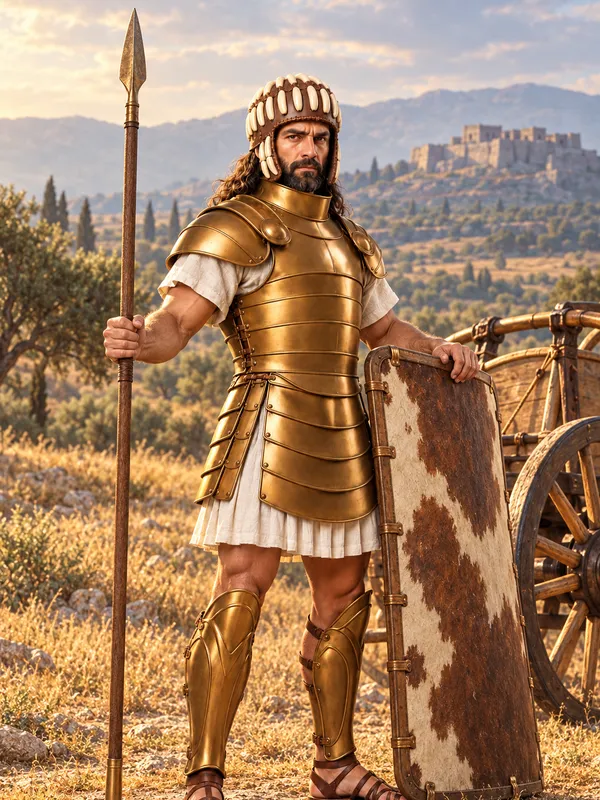
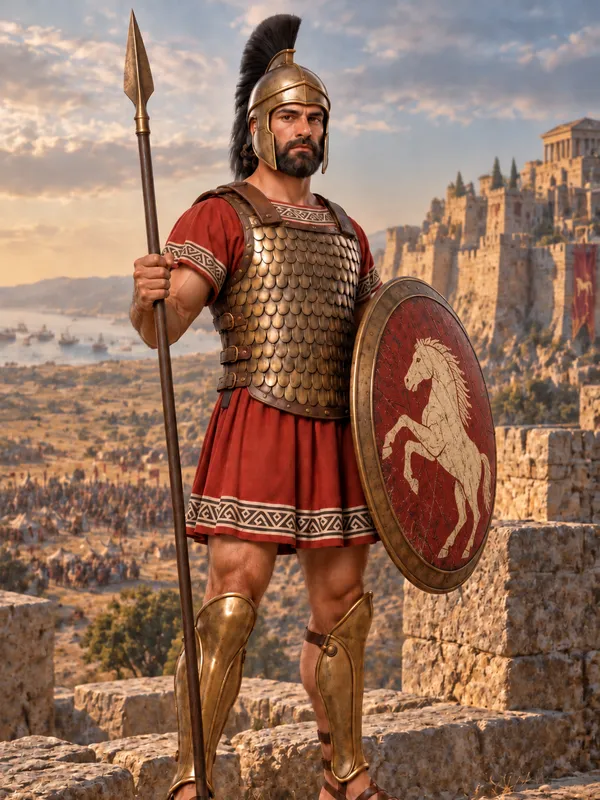
Rhea entrusted the infant Zeus to the Curetes to nurse and protect him from his father, Cronus.2,3 The Curetes from Dicta deceived Cronus while Zeus was an infant by striking their spears against shields and creating noise with drums and tumult to mask the baby's cries and frighten him.4,5 They nurtured Zeus while keeping his location hidden from Cronus, and they created the war-dance to create a loud alarum.5,3,6
The Curetes originally possessed the entire Aetolian region from the very beginning.7,8 Aetolus, the son of Endymion, defeated the Curetes in multiple battles and obtained possession of their country through continuous warfare.7,8 This conflict forced them to move to Acarnania.7,8
The goddess Artemis caused the Curetes to fight the Aetolians in a conflict over the city of Calydon.9,10,11 They fought for the city of Calydon alongside the Aetolians, scaling its walls, setting it on fire, and attempting to destroy it.9,12 They fought furiously over the head and skin of a wild boar.9 The Curetes were unable to maintain their position near the city walls despite their large numbers.13
The Curetes were the first to invent the dance performed while wearing armor.14,15 They were considered to excel in wisdom and practical knowledge.3 They used the noise of their arms to terrify Hera, helping Leto conceal the birth of her child.16 The Curetes killed the infant Epaphus at Hera's request.17
The codex facts behind this entry
The Curetes are described as an Aetolian tribe similar to the Ophieis and Agraei. Strabo 10.3.1 +1 According to one account, Pyrrhichus was a god belonging to the group called Curetes. Pausanias 3.25.2 The people of this mainland region were previously known by the name Curetes. Pausanias 8.24.9
Powers
The Curetes were considered to excel in wisdom and practical knowledge. Diodorus 5.65
In the myths
The Curetes from Dicta deceived Cronus while Zeus was an infant by striking their spears against shields and creating noise with drums and tumult to mask the baby's cries and frighten him. Apollodorus 1.1.7 +5 Rhea entrusted the infant Zeus to the Curetes to nurse and protect him from his father. Apollodorus 1.1.6 +4 Aetolus, the son of Endymion, defeated the Curetes in multiple battles and obtained possession of their country through continuous warfare, forcing them to move to Acarnania. Strabo 10.3.2 +2 The Curetes fought for the city of Calydon alongside the Aetolians, scaling its walls, setting it on fire, and attempting to destroy it. Iliad 9 ¶24 +2 The Curetes were the first to invent the dance performed while wearing armor. Pliny, Nat. Hist. 7.57 ¶9 +2 Rhea sent the Curetes from Phrygia to Crete, and they placed the tambourine in her hands. Strabo 10.3.13 +1 The goddess Artemis caused the Curetes to fight the Aetolians. Iliad 9 ¶24 +1 They nurtured Zeus while keeping his location hidden from Cronus. Aratus, Phaenomena ¶1 (6) +1 They created the war-dance to create a loud alarum. Callimachus, Hymn 1 ¶3 +1 The armed group protected the infant inside a cave. Apollodorus 1.1.7
Worship
An altar was erected in their honor by Clymenus. Pausanias 5.8.1 They performed burnt offerings of various living creatures, including cattle, goats, and birds. Pausanias 4.31.9 The Curetes were worshipped on the island of Samothrace. Strabo 7.fragments.51
Fate
The Curetes are supposed to be descendants of the Idaean Dactyli, with nine of them stated to have descended from the first hundred Cretan Idaean Dactyli. Diodorus 5.65 +1 Zeus killed the Curetes after they murdered Epaphus. Apollodorus 2.1.3 The Curetes retreated into Acarnania after being defeated by Aetolus. Strabo 10.3.3 Some myth writers claim the Curetes were born directly from the earth. Diodorus 5.65