CLIO (muse of history and epic poetry)
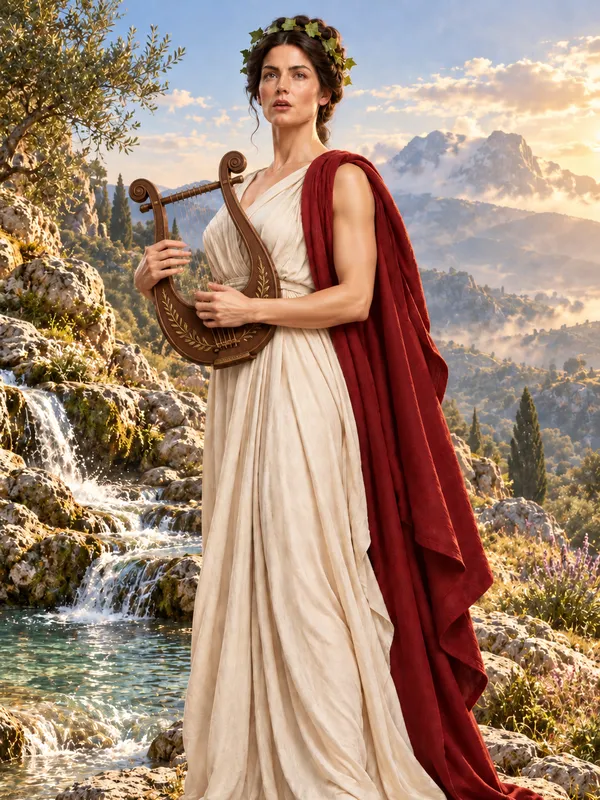
Divine power · Greek mythological person, muse of history or of lyre playing, daughter of Zeus and the Titaness Mnemosyne

- Parents
- Zeus, Mnemosyne
- Siblings
- Calliope, Urania, Erato, Melpomene, Euterpe, Terpsichore, Thalia, Polyhymnia
- Consorts
- Apollo
- Children
- Hyacinth, Hymen
- In the sources
- 10 ancient passages
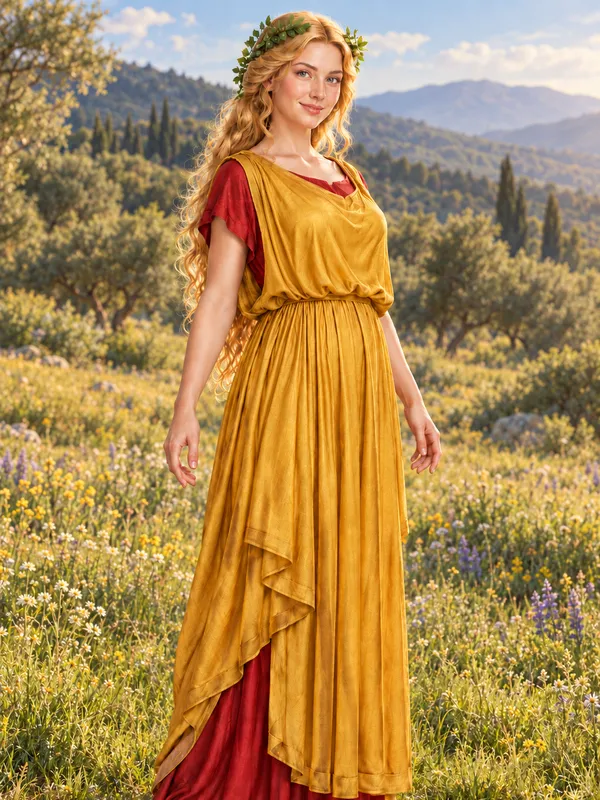
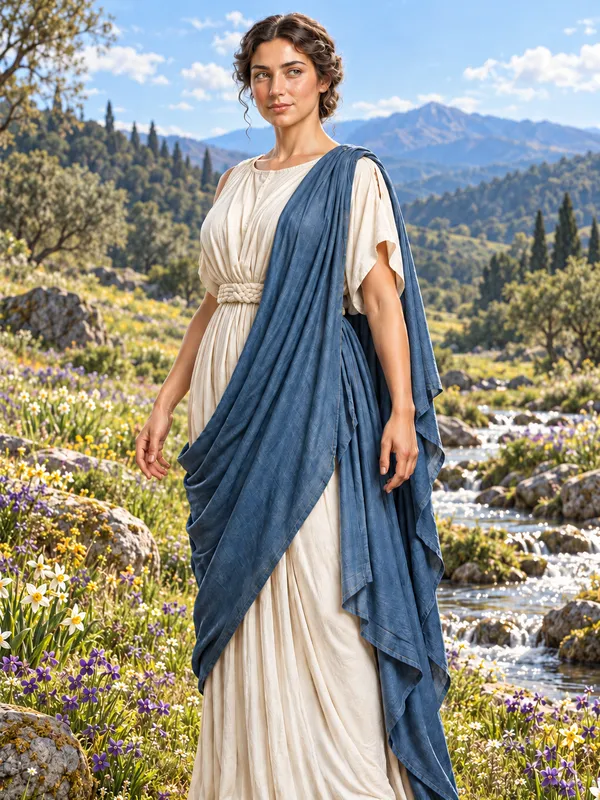
Clio, the second daughter born to Zeus and Mnemosyne, stood as the unforgetting muse who kept the ages and past annals.1,2 Zoned with gold and girt with a dappled animal skin, she spun Milesian wool stained with hyaline dye.3 As a giver of sweet gifts, she possessed the ability to remember and preserve the storied records of the past.4,2 Her presence was so commanding that it was compared to Medusa, for it turned onlookers to stone.5
Clio developed romantic feelings for Pierus, the son of Magnes, and with him gave birth to a son named Hyacinth.6 In a separate account, her codex relations listed Apollo among her lovers and Hymen among her children. She once mocked Aphrodite regarding her romantic attachment to Adonis.6 The Muses defeated Thamyris in a musical contest against them.6
As the mistress of song, Clio had the ability to guide the thoughts of the speaker in a straight course.7 She was asked to sing praises of Demeter and her daughter, as well as Hieron's swift horses and their victory at Olympia.4 If she was flourishing, her songs would proclaim the recipient to all people, and she distilled the poet's gift of songs in his mind.8
Described as an epicure, Clio was once asked to eat a conger eel by herself.5 For this feat, she was requested to leave a band, earring, or ornament as a pledge for the fish.5