BRITOMARTIS (minoan goddess of mountains and hunting)
Divine power · Minoan goddess of mountains and hunting

- Known as
- A slayer of stags
- Parents
- Zeus, Carme
- Allies
- Artemis
- Foes
- Minos
- Haunts and cult places
- Crete, Sparta, Aegina, Caeno, Gortyn
- In the sources
- 8 ancient passages
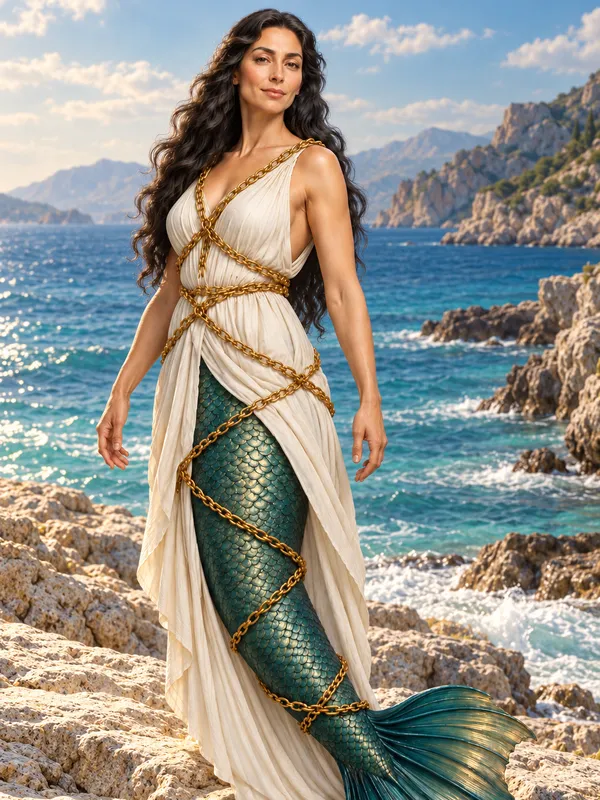
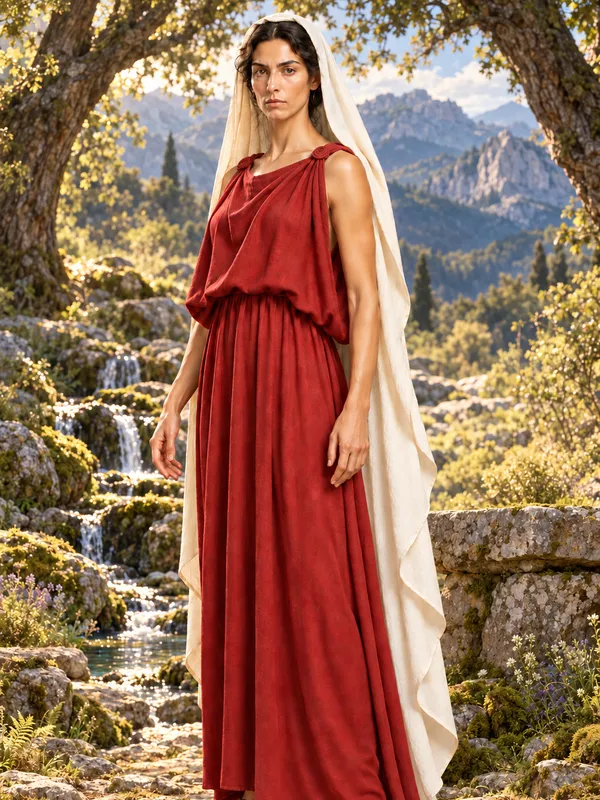
Britomartis, a Cretan deity born in the place called Caeno, was the daughter of Zeus and Carme, the daughter of Eubulus.1,2 She was known by the names Dictynna and Artemis Issoria, and among the Aeginetans, her name was Aphaea.1,3,2 A goodly archer and slayer of stags, she enjoyed running and hunting activities.4,2 She was considered very dear to the goddess Artemis and spent her time in her company.1,2
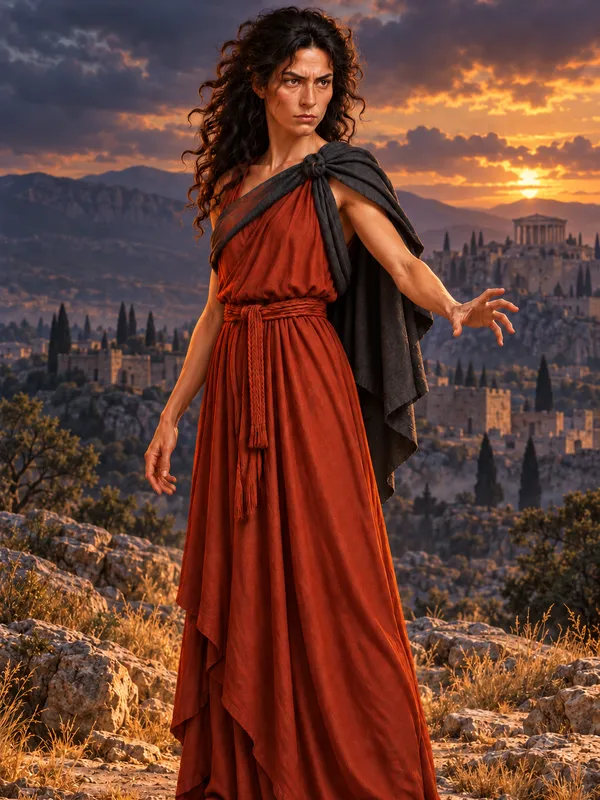
Minos, distraught with love for her, pursued Britomartis.1,2,4 To avoid him, she hid under shaggy oaks and in low meadows.4 Strabo argues against the claim that she leaped from Dicte to escape Minos, while other accounts say she leapt into the sea from a cliff to escape capture.5,4 In this peril, Artemis transformed Britomartis into a goddess.2,6
Her name Dictynna meant Goddess of Nets because she invented the nets used for hunting.1,2 The Cydonians call her the Lady of the Nets or Dictyna, and Callimachus asserts that the Cydoniatae named her Dictynna because of her escape.5,4 Callimachus stated that the mountain Dicte took its name from her leap, and the hill where it occurred is called the hill of Nets.5,4
Altars were set up on the hill where she leapt, and sacrifices are performed there using pine or mastich as a garland.4 A temple dedicated to her exists on the mountain Tityrus in Cydonian territory, and another is located on the Cherrhonesus.7,5 In Sparta, a sanctuary dedicated to this deity exists near the lounge of the Crotani, where she is worshipped as Artemis Issoria.3 The Aeginetans claim she appears on their island.2
Some people believed she and Artemis were the same goddess, and she is also referred to by the title Lady of the Lake.1,3 The Cretans built temples and performed sacrifices in her honor, and honors are still paid to her by both Cretans and Aeginetans down to the present day.2,6,1 The nymph of Gortyn is identified as Britomartis.4
The codex facts behind this entry
The Cretan deity Britomartis is also known by the names Dictynna and Artemis Issoria. Diodorus 5.76 +1
Powers
She enjoyed running and hunting activities. Pausanias 2.30.3
In the myths
She leaped from Dicte into fishermen's nets while fleeing Minos. Pausanias 2.30.3 +1 She invented the nets used for hunting. Diodorus 5.76 Strabo argues against the claim that she leaped from Dicte to escape Minos. Strabo 10.4.12 She hid under oaks and in meadows to avoid Minos. Callimachus, Hymn 3 ¶9 She leapt into the sea from a cliff to escape capture. Callimachus, Hymn 3 ¶9
Worship
She is worshipped by both Cretans and Aeginetans, and honors are still paid to her down to the present day. Pausanias 2.30.3 +1 The deity is worshipped under the name Artemis Issoria in this specific location. Pausanias 3.14.2 Some people believe she and Artemis are the same goddess. Diodorus 5.76 The Cretans built temples and performed sacrifices in her honor. Diodorus 5.76 Altars were set up on the hill where she leapt, and sacrifices are performed there using pine or mastich as a garland. Callimachus, Hymn 3 ¶9
Fate
Artemis transformed Britomartis into a goddess. Pausanias 2.30.3 +1 A false story claims she fled into fishermen's nets while pursued by Minos. Callimachus, Hymn 3 ¶9 +1