HYAD (nymph of the Hyades)
Divine power · nymphs associated with rain in Greek mythology
- Parents
- Hyas, Boeotia
- Haunts and cult places
- Nysa, Attica
- In the sources
- 16 ancient passages
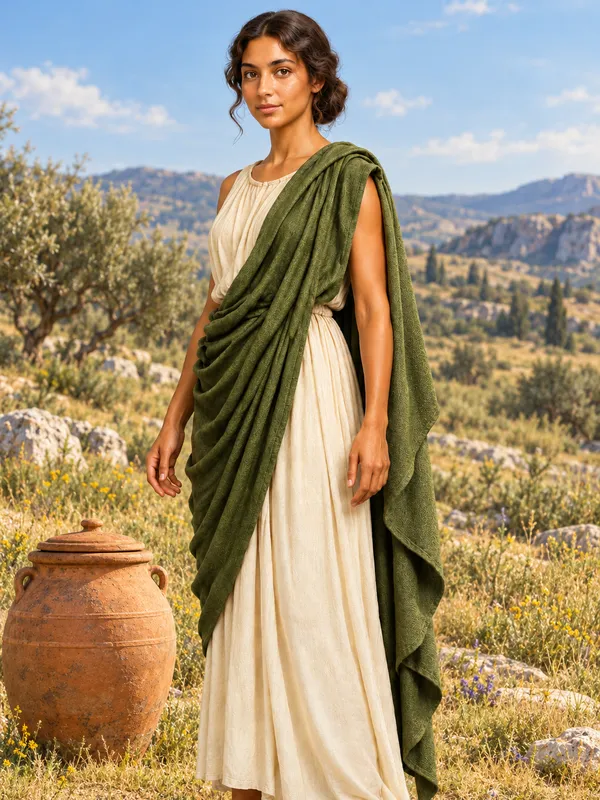
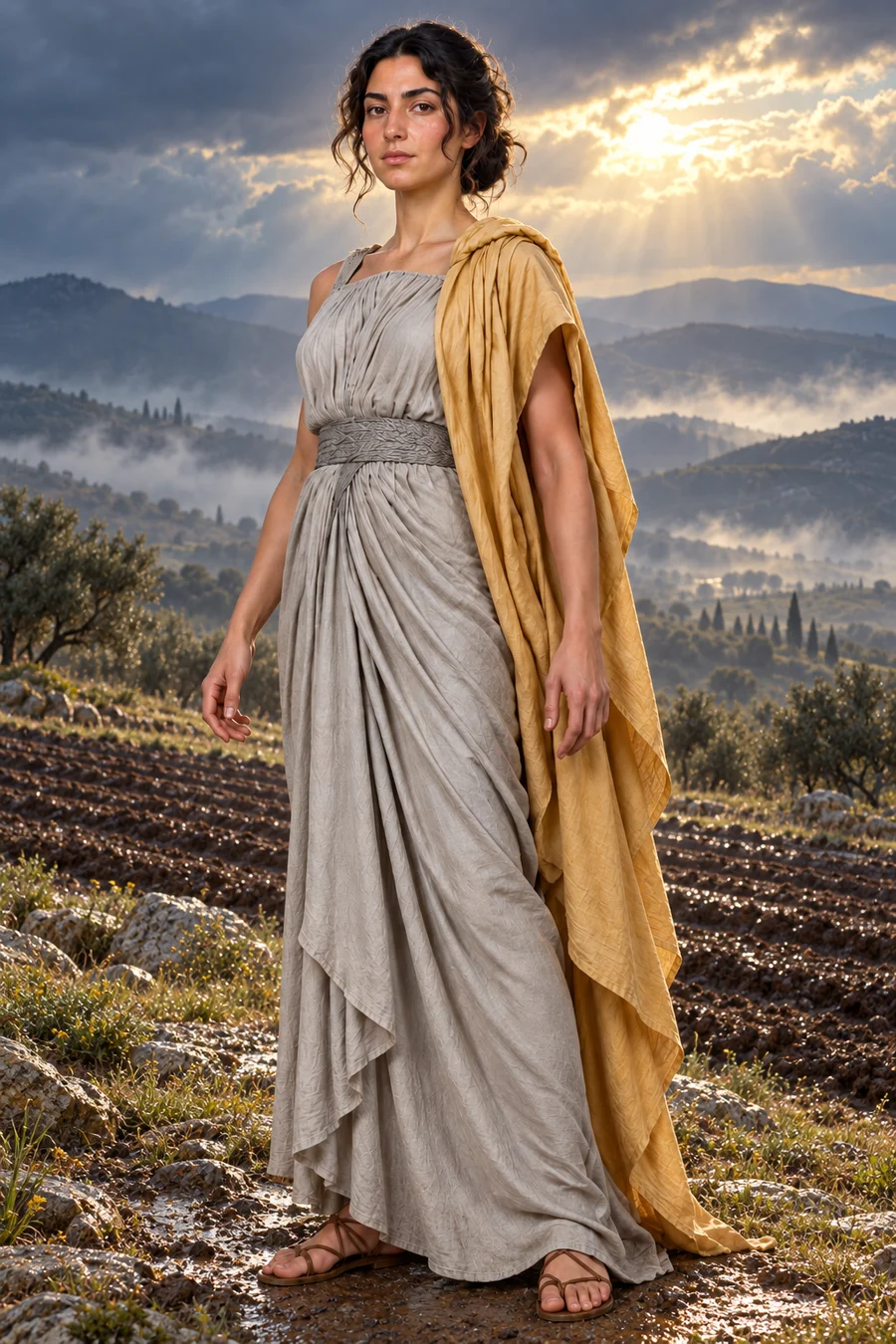
Hyad, one of the sisters known as the Hyades, is a nymph whose parents are listed as Hyas and Boeotia.1 These sisters, who resembled the Graces, were transformed into stars by Zeus.1,2 The Greeks named this group of stars the Hyades because of their association with rain and clouds.3,4
Originally, the nymphs resided at Nysa in Asia before their transformation.2 Zeus turned these sisters into the stars known as the Hyades.1,2 Humans on earth refer to these nymphs by the name Hyades.1 Hesiod lists Phaesyle, Coronis, Cleeia, Phaco, and Eudora as their names.1
Cleeia is described as having a rich crown in Hesiod's account.1 Phaco is characterized as lovely in the quoted text.1 Eudora is described as wearing long robes in the passage.1 The Hyades are described as part of a heavenly chorus of stars.5
The Hyades are associated with the production of rain and clouds in the celestial sphere.6,3 They serve as a warning sign of storms for sailors.7 The Hyades provide a reliable light source for sailors to navigate by.8 The setting of this constellation announces four days of bad weather in succession.3
The Hyades begin to set in the sky, signaling the proper time to plough.9 The constellation sets in the evening in Attica on the sixteenth before the calends of May.3 In Assyria, the constellation sets on the twelfth before the calends of May.3 The Hyades are described as being worn like a garland upon the horns of Taurus.10 The Hyades are located on the forehead of the Bull constellation.11
The codex facts behind this entry
The Greeks named this group of stars the Hyades because of their association with rain and clouds. Pliny, Nat. Hist. 18.66 ¶1 +1 The group of stars was named the Hyades by Zeus. Apollodorus 3.4.3 The Hyades are described as part of a heavenly chorus of stars. Euripides, Electra 464-475
Powers
The Hyades are associated with the production of rain and clouds in the celestial sphere. Aeneid 1.723 +2 The Hyades provide a reliable light source for sailors to navigate by. Euripides, Ion 1132-1176 The Hyades serve as a warning sign of storms for sailors. Seneca, Medea act 2 ¶9
In the myths
The Hyades begin to set in the sky, signaling the proper time to plough. Hesiod's Works and Days ll. 609-617 The Hyades brought defeat to the eyes of Hector. Euripides, Electra 464-475 Zeus turned these sisters into the stars known as the Hyades. The Astronomy fr. 2 The falling Hyades served as evidence of Medea's magical charms. Seneca, Medea act 4 ¶5 The setting of this constellation announces four days of bad weather in succession. Pliny, Nat. Hist. 18.66 ¶1
Worship
Humans on earth refer to these nymphs by the name Hyades. The Astronomy fr. 2 Chaldeans used the stone in their religious ceremonies due to its resemblance to the Hyades. Pliny, Nat. Hist. 37.28 ¶1
Fate
Zeus transformed the nymphs into stars. Apollodorus 3.4.3