PENELOPE (wife of Odysseus)
Figure of myth · wife of Odysseus in Greek mythology

- Parents
- Icarius of Sparta, Periboea, Polycaste
- Siblings
- Thoon
- Consorts
- Odysseus
- Children
- Telemachus, Italus, Poliporthes, Arcesilaos
- In the sources
- 123 ancient passages
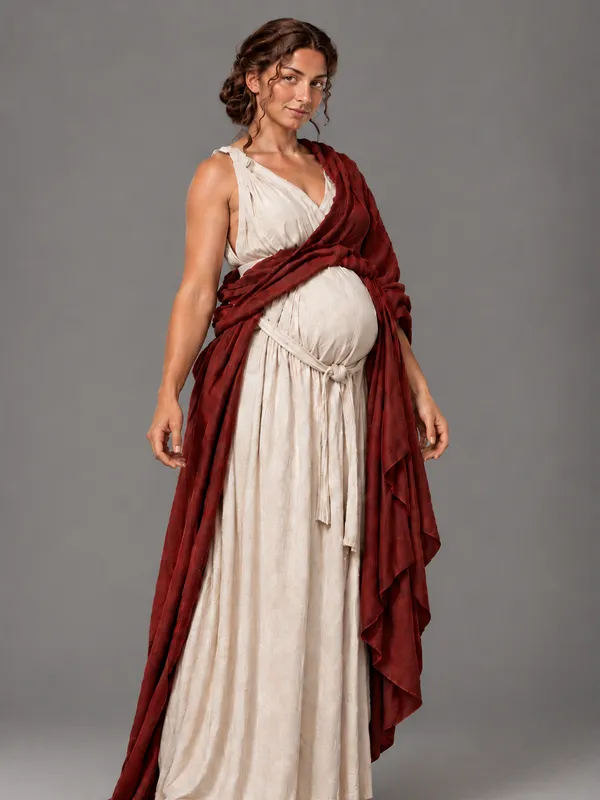
Penelope, daughter of Icarius and the Naiad nymph Periboea, stood as a mortal woman of admirable character and excellent nature.1,2,3,4,5,6 Other accounts name Polycasta, daughter of Lygaeus, as her mother, and list her brothers as Thoas, Damasippus, Imeusimus, Aletes, and Perileos, alongside a sibling named Thoon.4,3 When she emerged from her chamber, she appeared to look like either Artemis or Aphrodite, though some noted she was shorter and less beautiful than the goddess Calypso.7,8,6 Eurymachus claimed she was the most beautiful woman in the entire world, and the goddess Athena made her complexion whiter than sawn ivory while washing her face with ambrosial loveliness.9,10 She held a veil in front of her face and sat on a seat crafted by Icmalius with silver and ivory details, possessing both virtue and beauty.1,8,11,12
Icarius gave Penelope in marriage to Odysseus, and they departed for Ithaca together.3,13,14 A variant story claims she bore a son named Pan to Hermes, though this conflicts with other traditions.15 Odysseus won a foot race held for Penelope's suitors, defeating them, and later set up twelve axes in the courtyard for a similar test.16,17,18 The couple shared secret signs known only to them, and she possessed a feeble old woman who had nursed her husband in infancy.19,20
While Odysseus was away, numerous suitors from various islands and Ithaca persistently courted Penelope.21,22 They consumed her household's livestock, wine, and estate resources without offering gifts, and her father and brothers pressured her to accept marriage to Eurymachus.21,23,4 Penelope worked on the web during the day but unpicked the stitches at night, successfully deceiving the suitors for three years until they caught her and forced her to finish the pall.24,25 She expressed a wish that the suitors would stop courting her and eating her food, while refusing to explicitly reject marriage or finalize a decision.22,26 Athena caused Penelope to fall asleep by covering her eyes with sleep, and she interpreted a sneeze as a sign that all suitors would be killed.27,10,28,29
Penelope worried about her son's survival and complained that the suitors mistreated him and wasted the estate belonging to him.30,31 She learned of the suitors' plot to harm Telemachus because the servant Medon overheard them and reported it to her.32,26 Penelope intended to advise her son to stop interacting with the suitors, who were causing damage to his inheritance.33,25 She sent for the stranger to hear news about her husband and asked him to reveal his identity, origin, and parents.34,35 Penelope promised a shirt and cloak if the stranger's story proved true, and praised his speech as the most proper of any guest.28,34,20
Telegonus married Penelope after killing her husband Odysseus, and she was transported to Circe's island along with Odysseus's body and Telemachus.36,37,38 Penelope intended to view the bodies of the slain suitors and carried the bow, quiver, and arrows to the cloister where they were.39,40 She is described as weak and helpless in her current situation, with cheeks overflowing with tears for her husband.41,42 Penelope is identified as 'only a woman', distinguishing her from the immortal goddess, and her virtue's fame shall never die.6,43 Immortals shall compose a song in her honour, and she is described as a noble creature in contrast to Medea.43,44
The codex facts behind this entry
Penelope is the daughter of Icarius. Odyssey 1 ¶23 +6 Penelope is the wife of Odysseus. Odyssey 21 ¶29 +5 Penelope is a mortal woman of admirable character and excellent nature. Odyssey 11 ¶38 +1
Powers
Penelope is described as possessing strength of understanding and rare excellence of understanding. Odyssey 18 ¶24 +1
In the myths
Numerous suitors from various islands and Ithaca persistently courted Penelope while consuming her household's livestock, wine, and estate resources without offering gifts. Odyssey 1 ¶7 +6 Athena caused Penelope to fall asleep by covering her eyes with sleep. Odyssey 16 ¶41 +2 Penelope decided to reveal herself to the suitors despite hating them and expressed indifference toward their behavior. Odyssey 16 ¶38 +2 Penelope learned of the suitors' plot to harm Telemachus because the servant Medon overheard them and reported it to her. Odyssey 16 ¶38 +1 Icarius organized a foot race for the men seeking to marry Penelope, which started near the image of Aphetaeus. Pausanias 3.12.2 +1 Penelope intended to advise her son to stop interacting with the suitors, who were causing damage to his inheritance. Odyssey 18 ¶16 +1 Penelope claims the gods removed her physical beauty when the Argives departed for Troy. Odyssey 18 ¶25 +1 The suitors, including Eurymachus, presented Penelope with gifts, with Eurymachus giving her more than any other suitor. Odyssey 15 ¶2 +1 Penelope's father and brothers pressured her to accept marriage to Eurymachus but did not dare visit Icarius's palace regarding her marriage. Odyssey 15 ¶2 +1 Penelope worried about her son's survival and complained that the suitors mistreated him and wasted the estate belonging to him. Odyssey 23 ¶1 +1
Fate
Penelope's son is destined to return to her and is expected to have grown up happily to manhood. Odyssey 11 ¶38 +1