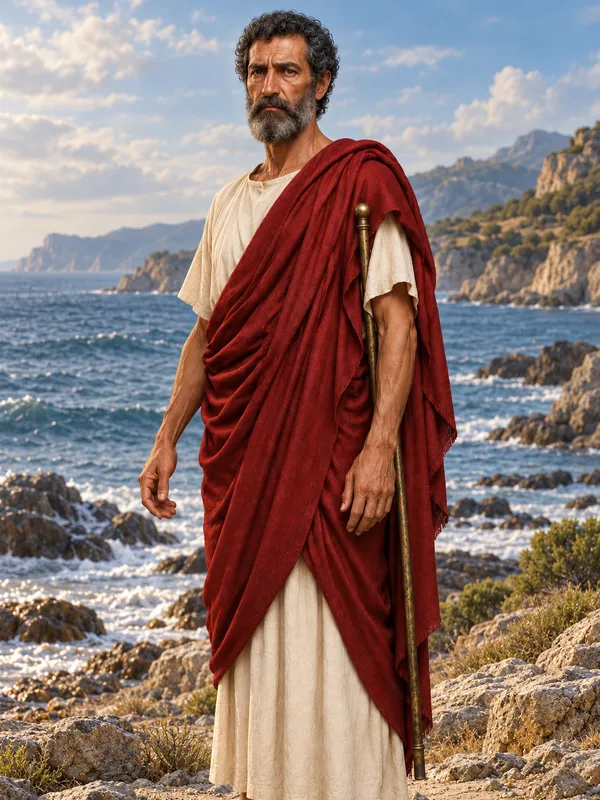
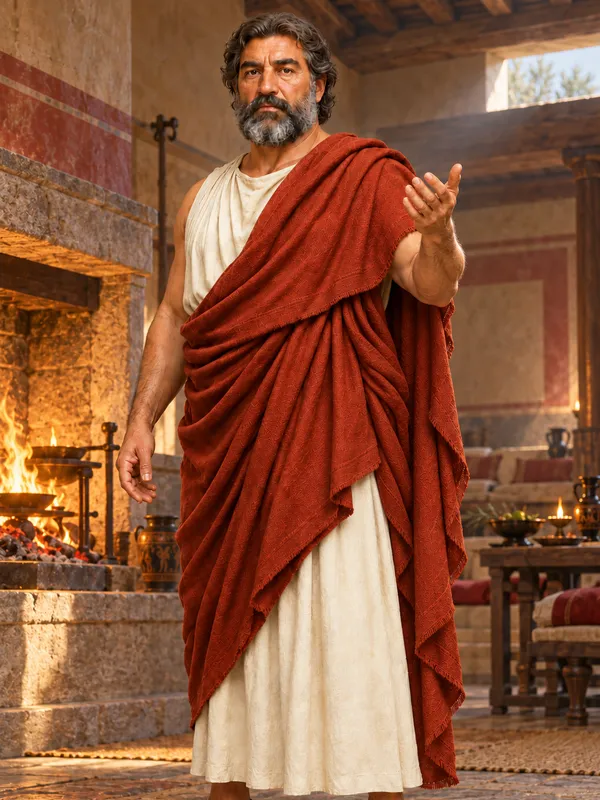
DEMOPHON OF ELAEUS (king of Elaeus)
Figure of myth · king of Elaeus in Greek mythology
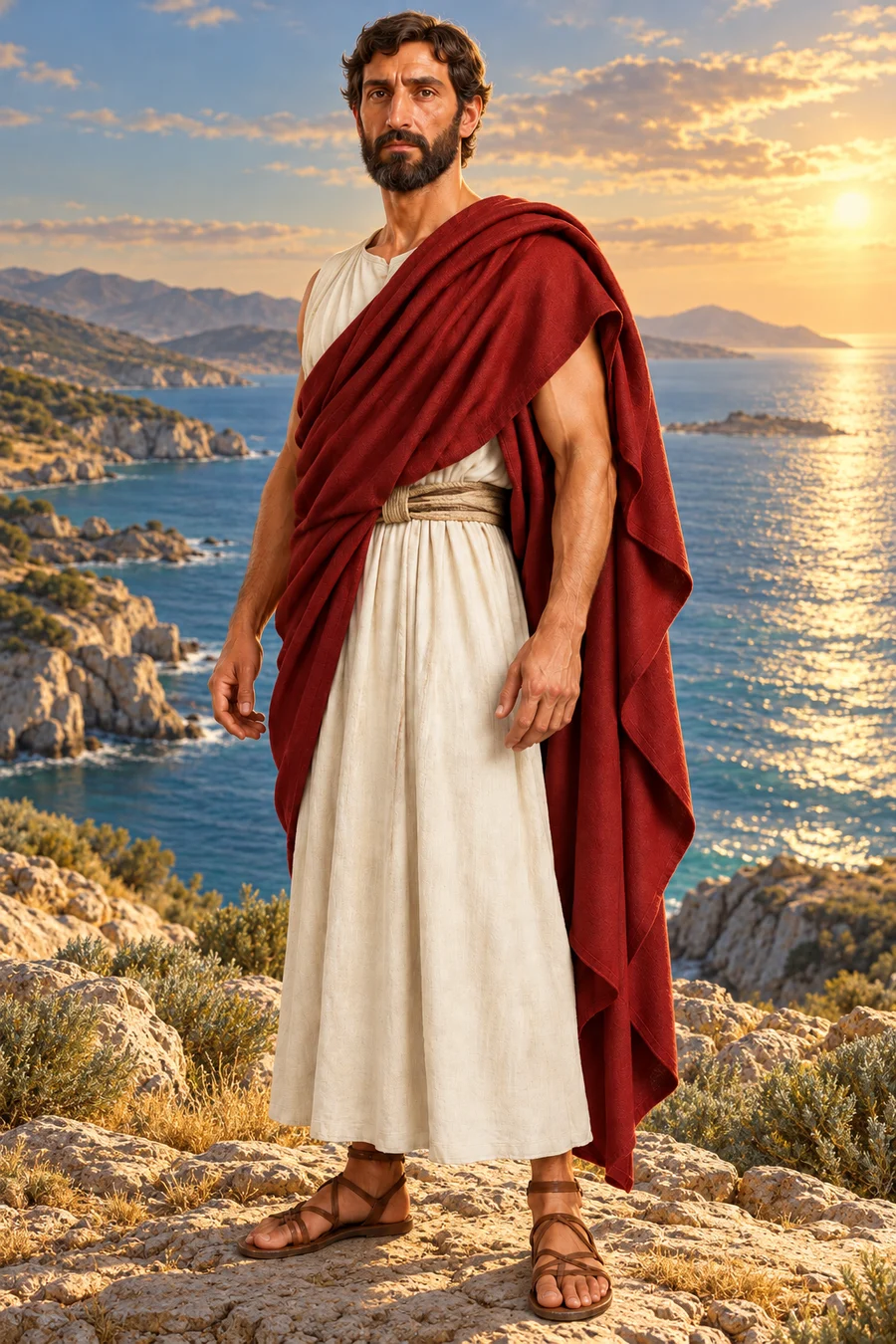
- In the sources
- 22 ancient passages
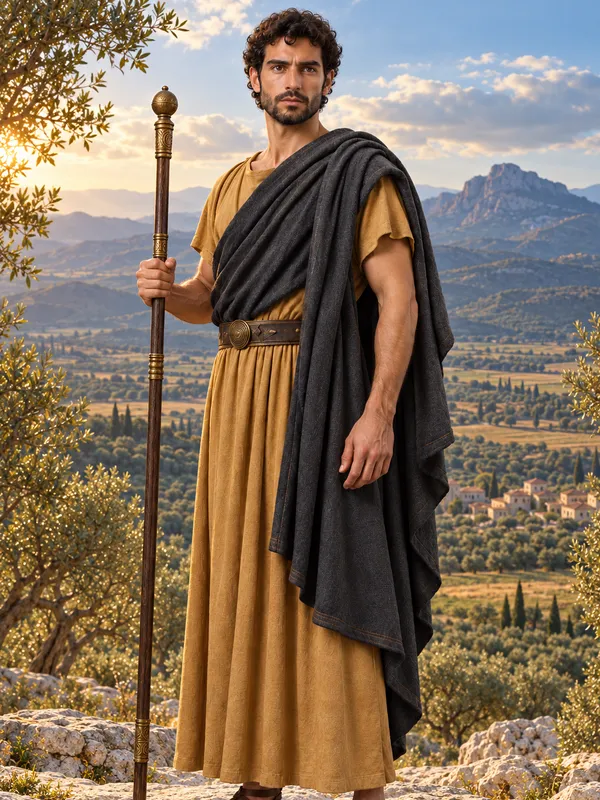
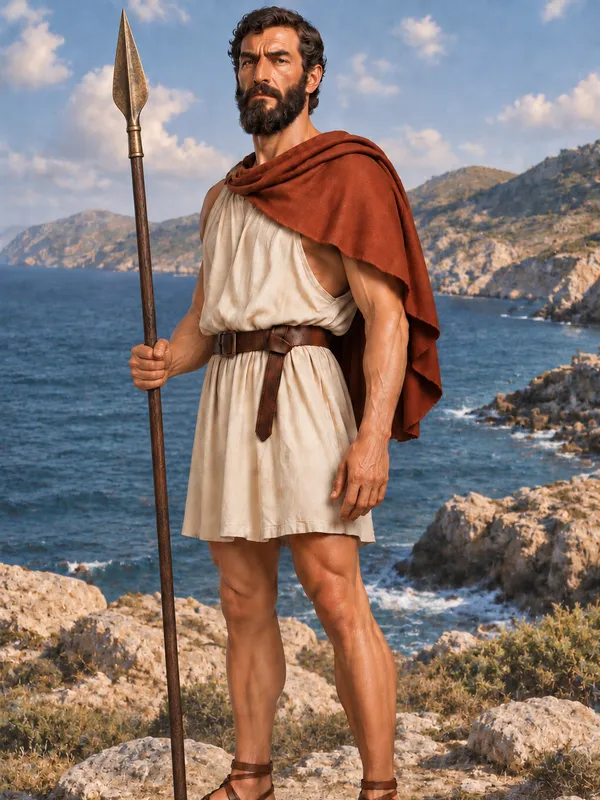
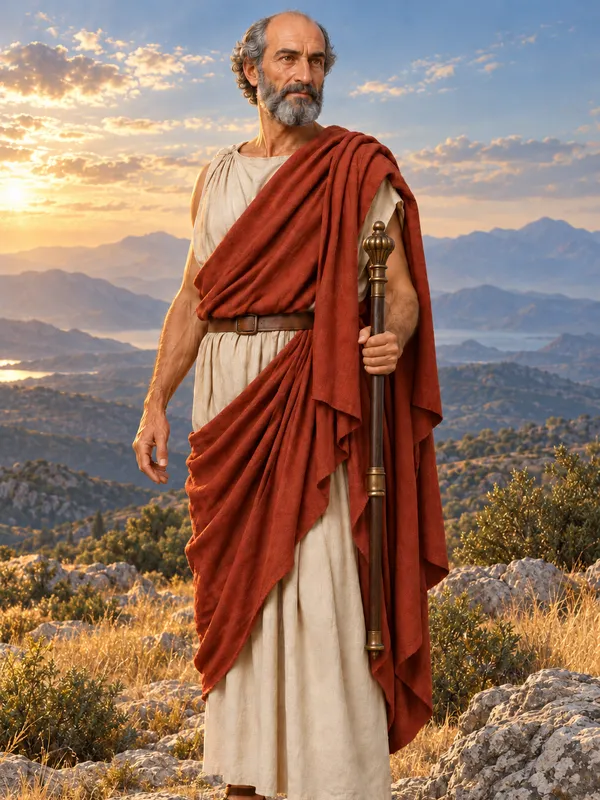
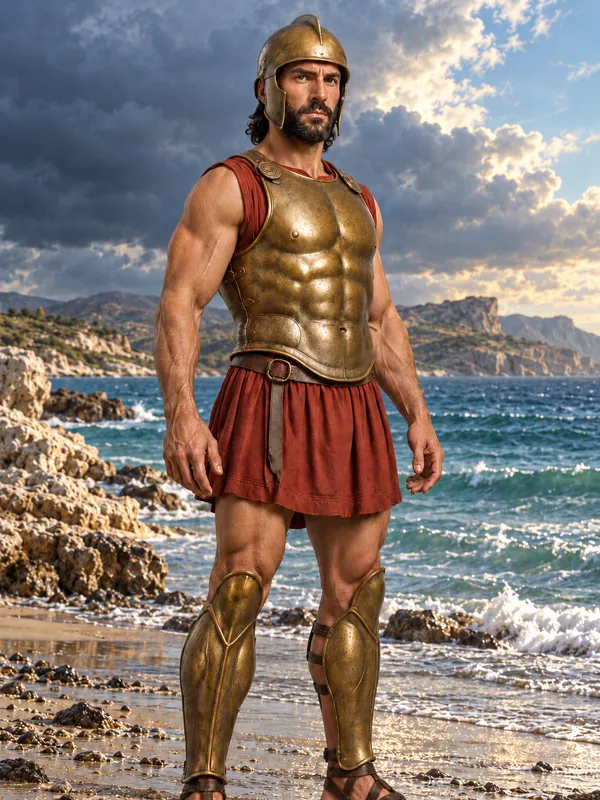
In his early life, the goddess Demeter attempted to make him immortal by placing him in fire at night, during which he grew remarkably quickly during the day.1 Praxithea discovered Demophon buried in the fire and cried out, and he was consumed by the flames.1 Later, Demophon fled Athens when the Dioscuri captured the city and took Helen captive.2 It is reported that Demophon and Acamas later traveled to Troy, where Demophon came to Ilium with Menestheus to lead the forces.3,4 During the sack of Troy, Demophon discovered Aethra and took her away with him from the city, though he and Acamas did not receive any share of the spoils from Ilium.3,5,4 After the fall of Troy, Demophon requested Aethra from Agamemnon, who agreed to give her to him only after Helen consented.6,7 Demophon also took the Palladium with him after the attack.8
Back in his city, Demophon faced an Argive army led by Eurystheus, which he personally observed approaching.9,10 He asserted that his city was independent and not subject to Argos, and he planned to gather his citizens to form ranks against the Mycenaeans.9,11 He prepared the city for war, arranged sacrifices to the gods, and consulted seers and ancient oracles to find a way to save the city.10 He decided to assemble prophets and perform a sacrifice before battle, and he intended to dispatch scouts to prevent an ambush by the enemy.11
When Iolaus asked Demophon to protect the children of Heracles, Demophon refused to surrender the suppliants at the altar and swore no one would forcibly remove the children.12,13 He threatened to strike the herald if he did not exercise discretion and refused to allow Copreus to forcibly remove the suppliants from his protection.9 Demophon commanded Iolaus to return to Argos and inform Eurystheus of his decision, and he instructed Iolaus to leave the altar and enter his house with the children.13,11 He refused to sacrifice his own daughter or force citizens to do so, and he offered to provide justice if Eurystheus had charges against the strangers.10,13 He claimed to rule justly rather than like a barbarian despot, and he was a man of firm resolve who refused to yield to threats.10,9
Demophon arrived in the land of the Thracian Bisaltians with a small fleet, where Phyllis, the king's daughter, fell in love with him.14 Phyllis's father gave her to Demophon in marriage and bestowed the kingdom upon him as a dowry.14 Phyllis gave Demophon a casket containing a sacrament of Mother Rhea and instructed him not to open it until he gave up hope of returning.14 Demophon left for his own country after swearing to return, but he opened the casket and was struck with fear.14,15 Phyllis cursed Demophon after the agreed time had passed, and he eventually died after his horse stumbled and he fell on his sword.15 Demophon and his people settled in Cyprus following these events.15
The codex facts behind this entry
Demophon is the king and ruler of the city facing an invasion from Argos. Euripides, Heracleidae 111-133 +5
In the myths
Demophon requested Aethra from Agamemnon after the fall of Troy, and Agamemnon agreed to give her to him only after Helen consented. Pausanias 10.25.8 +1 Demophon declares he will not yield to the threat of an Argive army led by Eurystheus, which he personally observed approaching. Euripides, Heracleidae 253-287 +1 Demophon discovered Aethra during the sack of Troy and took her away with him from the city. Apollodorus, Epitome 5.22 +1