CHARYBDIS (sea monster transformed by Zeus)
Monster · figure in Greek mythology transformed in a sea monster by Zeus
- Parents
- Poseidon, Gaia
- Haunts and cult places
- Strait of Messina, Messana, Sicily
- In the sources
- 32 ancient passages
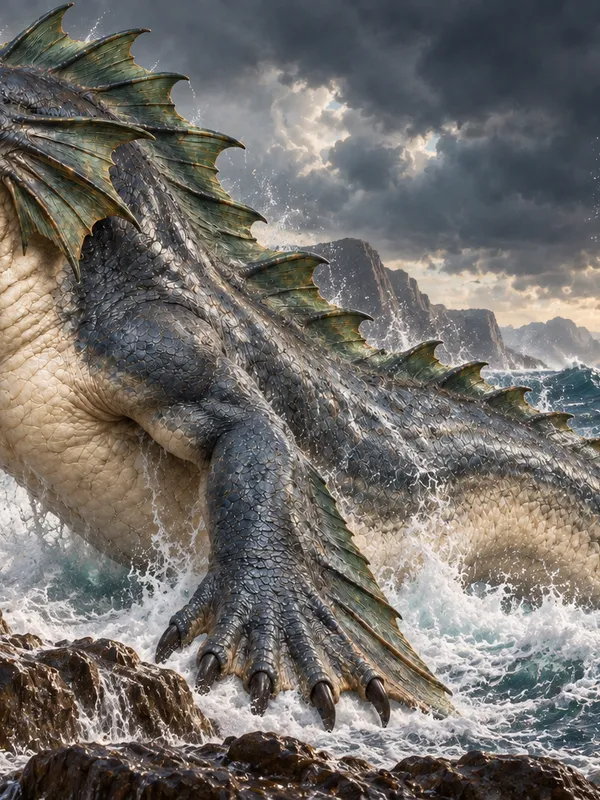
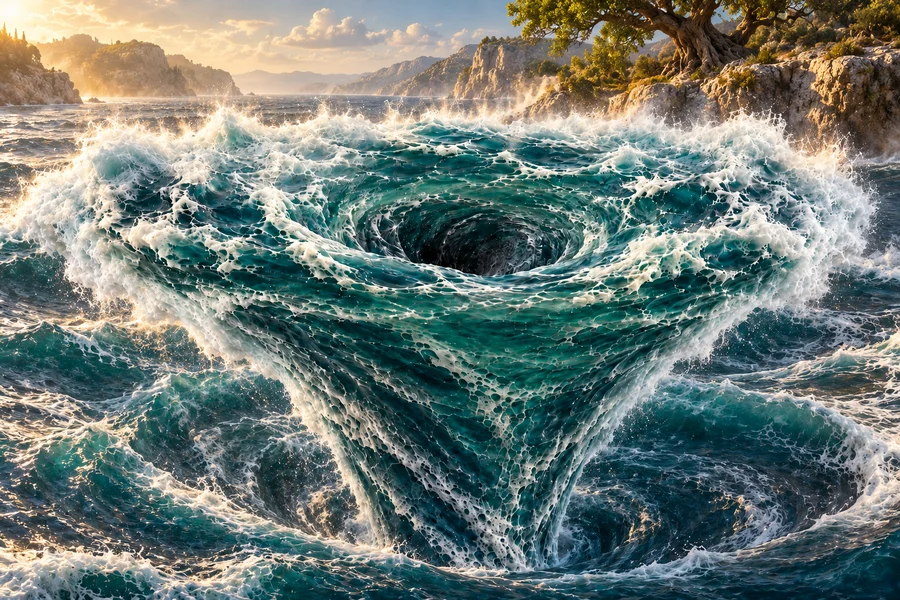
Charybdis, daughter of Poseidon and Gaia, is a pitiless whirlpool in the sea, listed among mythical monsters like Scylla and the Hydra.1,2 She is a greedy entity who lurks in the midst of the waves, an implacable enemy to all who sail upon the waters.3,4 Located in the narrow channel between rocks, she occupies the left side of the strait separating Sicily from Hesperia, near the coast of Bruttium and the Pillar of Rhegium.5,1,3,6 Some accounts place her in the Strait of Messina, a short distance from the city of Messana, while others note her position opposite the rock of Scylla and the Wandering Rocks.7,8,9,10,11
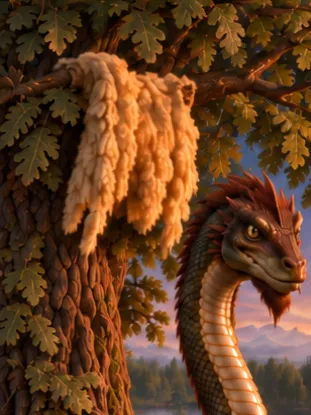
According to poets, Charybdis was once a maiden who rejected many suitors before becoming a creature of the sea.12 She dwells under a large fig tree growing on a rock, where her presence marks a dangerous passage that sailors must avoid.13,14 The whirlpool is described as an immense gulf rather than a simple creature, a profound abyss that draws waves down into a wild whirling pit.9,1 Her bottom appears black with sand and mud, while her spray reaches the tops of the rocks on either side, creating a deafening sound as water breaks against the stone.15
Charybdis habitually sucks up salt water and vomits it back three times each day.11,15 She alternately sucks in the sea and discharges it, creating back currents that frequently impel ships into the gulf.4,9 The water inside her whirls round and round, and she belches forth water like a boiling cauldron, sending showers of stars and foam into the air.15,14 This power is so strong that even Poseidon cannot save a person who is swallowed during the intake.13
Odysseus survived being engulfed by clinging to a wild fig tree and later the wreck of his ship, which was eventually released after a long delay.16 The whirlpool carried him aloft toward the fig tree, and the mast he clung to was sucked down and later shot back up into the air.17,18 The Trojan ships passed by the ravening Charybdis using their oars, while Thetis steered a ship through at Hera's summons.19,10 During these encounters, the cliffs near Charybdis bellowed three times, and the ship was violently lifted and dropped by the waters.14
Charybdis threatens to swallow heroes in a single gulp, causing great fear for their lives as she continuously spouts and roars.20,15,21 Ships are swallowed down and shattered by her waters, with wrecks cast onto the shore of Tauromenia.9 She is associated with flesh-hooking rocks that stain people with blood, a reminder of the danger she poses.22 Though Homer based the character on the tidal movements in the Strait of Sicily, the location should not be dismissed as groundless.16,8 Charybdis remains a dangerous sea hazard, a greedy and terrible force that sailors must navigate with caution, having once told the ocean Nymphs about the loves of youths she eluded.6,3,23,12
The codex facts behind this entry
Charybdis is a pitiless whirlpool in the sea, listed among mythical monsters like Scylla and the Hydra. Aeneid 3.374 part 2 +2 Charybdis is described as a dreadful entity that lurks in the sea and is an enemy to ships. Euripides, The Trojan Women 424-443 +1 Homer based the character on the tidal movements in the Strait of Sicily. Strabo 1.2.36
Appearance
Charybdis is described as terrible. Odyssey 12 ¶21 Charybdis is described as being greedy. Seneca, Thyestes act 3 ¶9
Powers
Charybdis is a sea monster who swallows sea captains and their ships by drawing waves into her deep abyss and then flinging them up toward the stars. Aeneid 3.374 part 2 +2 Charybdis alternately sucks in the sea and discharges it, creating back currents from the Strait that frequently impel ships into the gulf. Ovid Met. 7.1-158 part 2 +1 Charybdis possesses the ability to swallow ships and people whole, and then vomits them back out. Argonautica 4 ¶50 +1 Charybdis's sucking power is so strong that even Poseidon cannot save a person there. Odyssey 12 ¶8
In the myths
Charybdis repeatedly sucked up and vomited the salt water in the strait three times each day. Apollodorus, Epitome 7.21 +6 Thetis steered the ship through Charybdis at Hera's summons. Apollodorus 1.9.25 The Trojan ships passed by the ravening Charybdis using their oars. Ovid Met. 14.75-100 Charybdis used to tell the ocean Nymphs about the loves of youths she eluded. Ovid Met. 13.719-897 The stream casts the wrecks of destroyed ships onto the shore of Tauromenia. Strabo 6.2.3 Circe warned Odysseus that even Poseidon could not save him if he approached during the swallowing. Strabo 1.2.36 Odysseus survived being engulfed by clinging to a wild fig tree and later the wreck. Strabo 1.2.36 Charybdis caused the men to be in great fear for their lives. Odyssey 12 ¶20 Charybdis continuously spouted water and roared during the Argonauts' journey. Argonautica 4 ¶56 Charybdis created a deafening sound as water broke against the rocks. Odyssey 12 ¶20
Fate
According to poets, Charybdis was once a maiden before becoming a monster. Ovid Met. 13.719-897